

How to Choose Commercial Induction Cooker Power
05/11/2026
Estimated reading time: 2 minutes

When buying a commercial induction cooker, picking the wrong power rating causes more trouble than picking the wrong brand. Too little power, and you can’t keep up at rush hour. Too much power, and your wiring can’t take it—plus you’ve wasted money. This article solves one problem: how to choose the right power for your commercial induction cooker, based on your kitchen type and what you cook. No theory lessons, no brand showdowns—you’ve already decided on induction. Now you just need to know what wattage to buy.
IN THIS ARTICLE
What Each Power Tier Can Actually Cook
Commercial induction cookers range from 3kW to 15kW and beyond. Not every kitchen needs the top end. The key is knowing what each power tier can really do—then matching it to your menu.
3kW–5kW: Where Everyday Light Cooking Starts
This tier handles the basics: frying eggs, heating soup, boiling noodles, light stir-frying.
Among overseas chef communities, 3,500W is widely seen as the floor for “keeping up with a gas range.” Go below that, and the slowness is hard to ignore in a commercial kitchen. On r/Chefit, several working kitchen professionals put it the same way: “1800W is low but 3500W should keep up with a gas range.”
This power tier works well for:
- Breakfast counters—frying eggs, making pancakes, heating porridge
- Casual eateries—boiling noodles, blanching vegetables, simmering soup
- Front-of-house live cooking stations
- Buffet lines—keeping food warm and at serving temperature
Where it falls short: large-pot stewing, high-flame wok work, and nonstop high-intensity service. For those jobs, 3kW–5kW won’t cut it. If you’re stuck between 3.5kW and 5kW, this 3,500W vs. 5,000W commercial induction cooker comparison breaks down heating speed and dish suitability side by side.
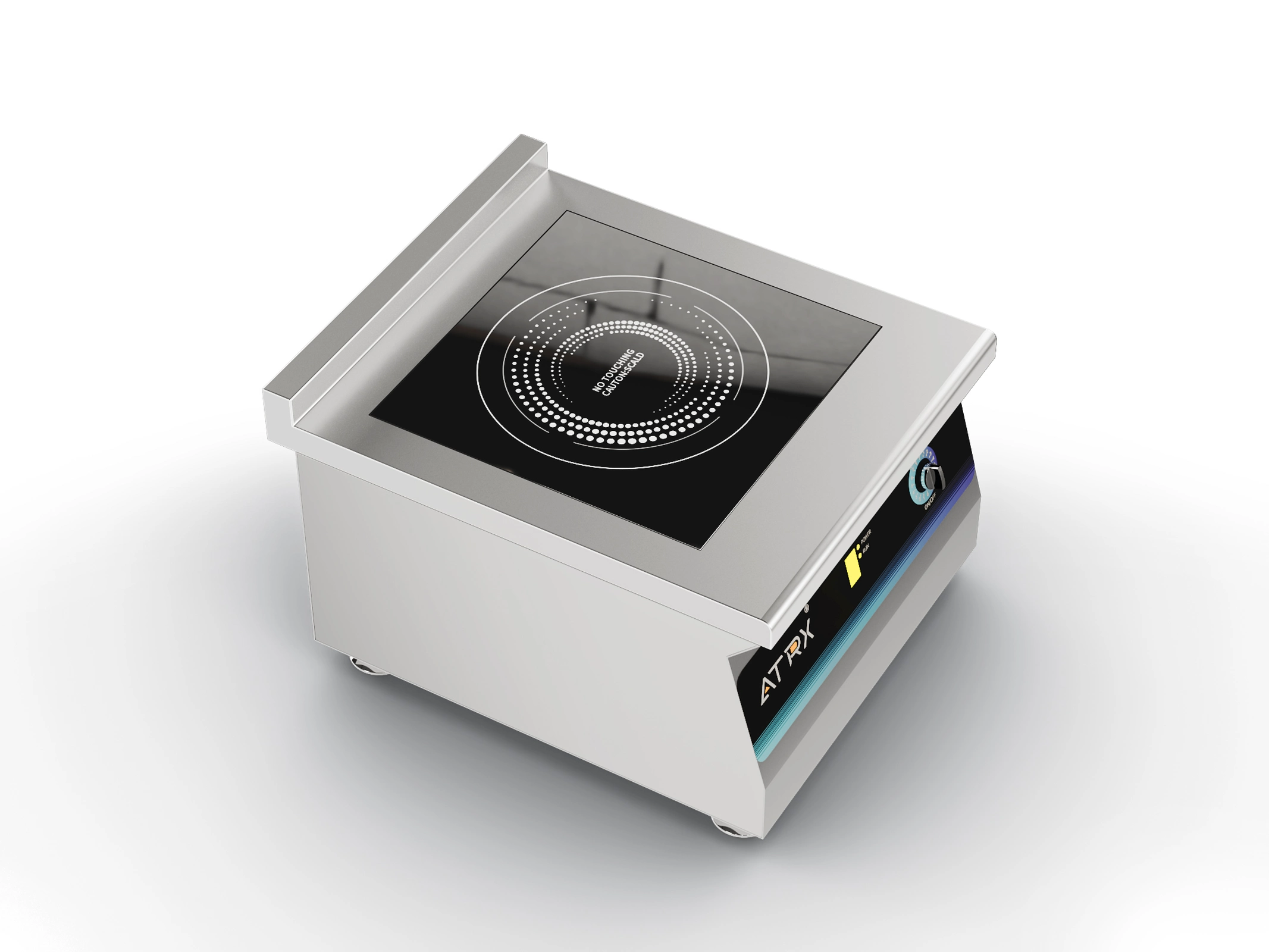
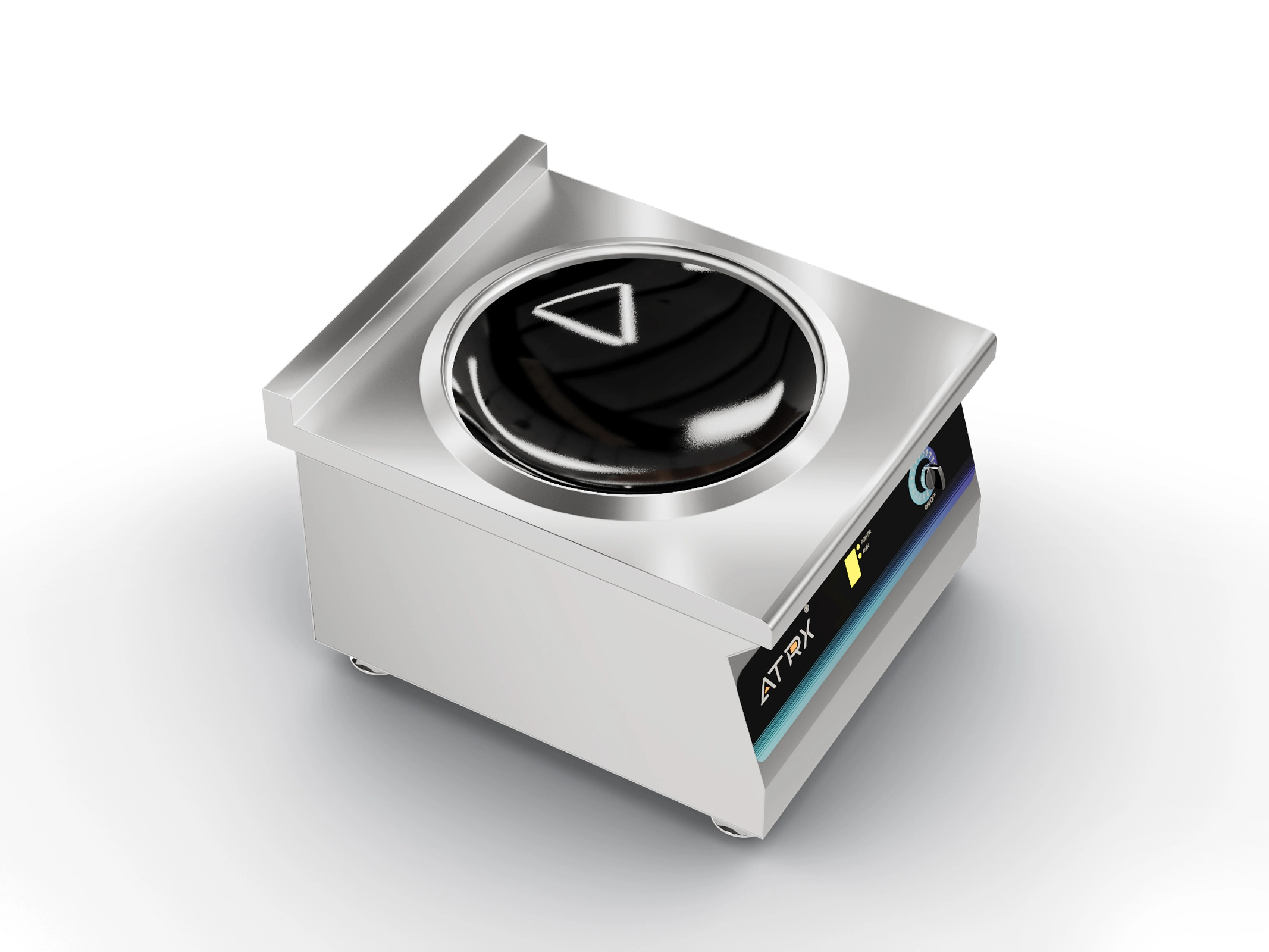
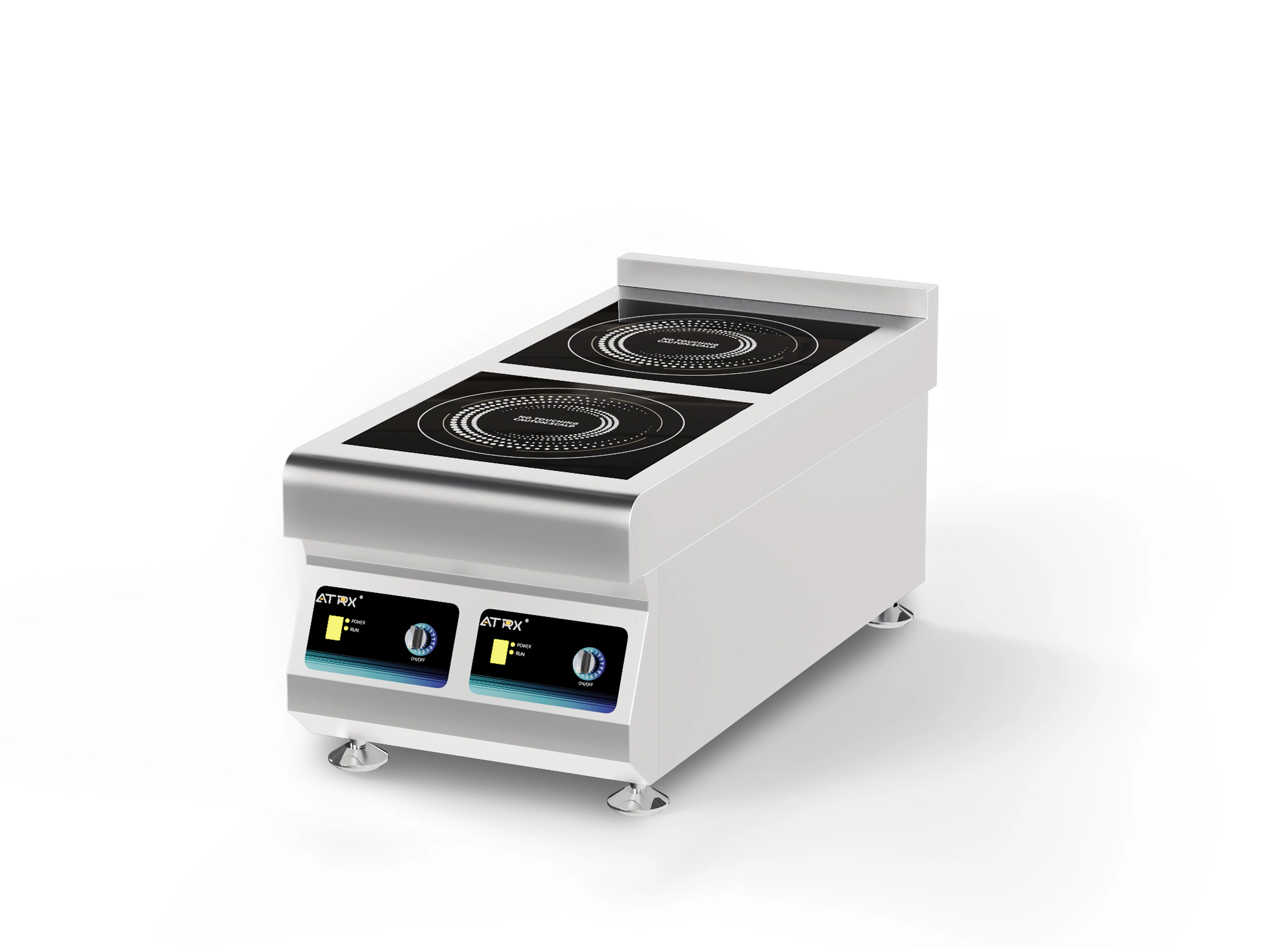
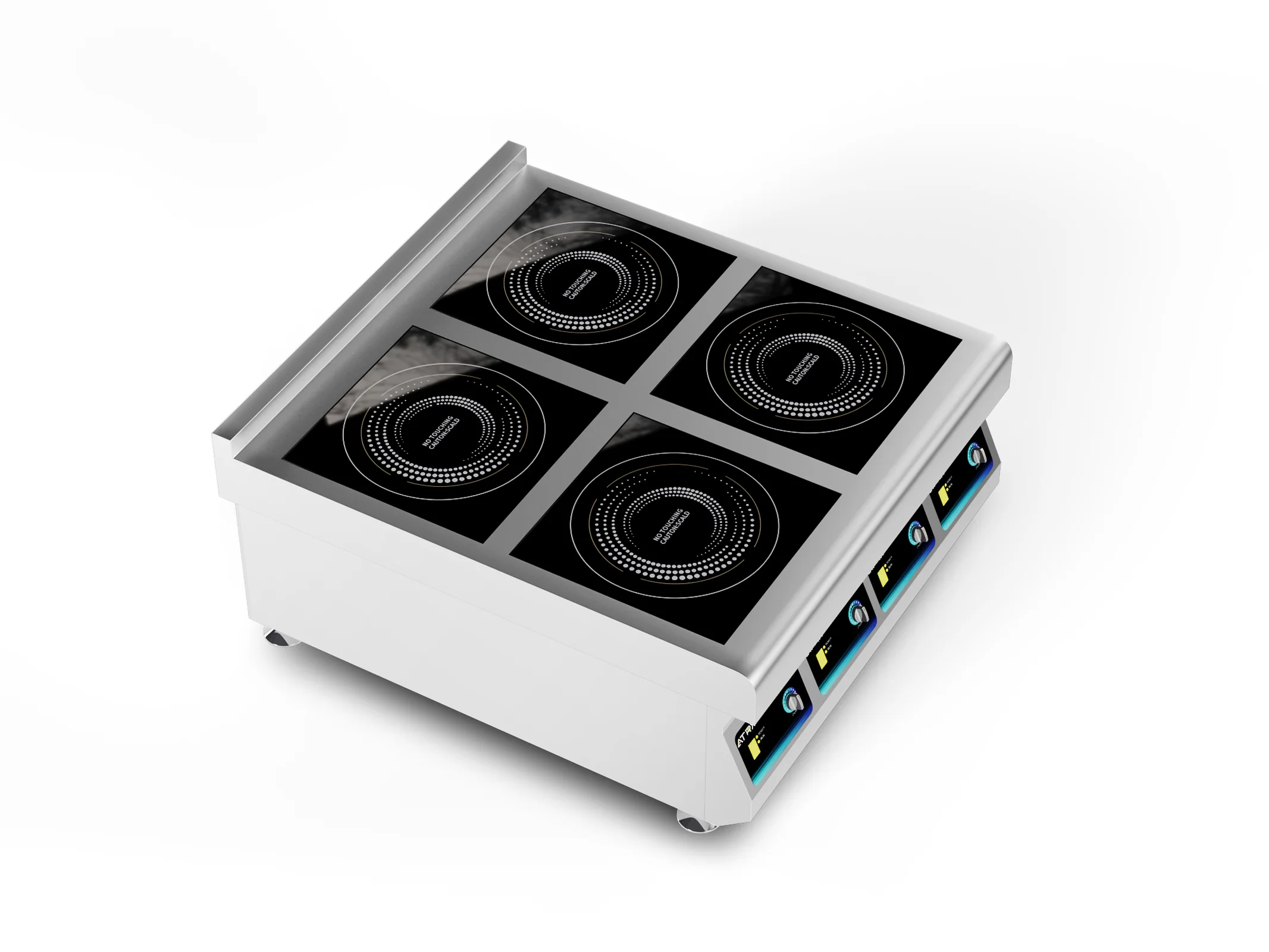
5kW–8kW: The Main Power Range for Most Commercial Kitchens
If your kitchen puts out dozens to hundreds of dishes a day—stir-frying, boiling, stewing, deep frying—this is the power range most operators land on.
The big advantage here is all-round capability. Stir-frying is fast enough. Stewing is steady enough. Deep frying is hot enough. During lunch and dinner peaks, you won’t lose time waiting for the burner to come back up to temperature between tickets.
A lot of mid-sized restaurants run 5kW–7kW as their standard workhorse burner. One Southeast Asian chain buyer told us they had been using 3.5kW units for fried rice during lunch rush—and tickets kept piling up. After upgrading to 5kW, single-wok dish time dropped from over 4 minutes to under 3. The kitchen stopped falling behind.
Here’s what this tier handles in practice:
| Cooking Task | 5kW Performance | 8kW Performance |
|---|---|---|
| Stir-frying (single wok) | Smooth, no lag | Fast—close to high-flame results |
| Boiling 10L of water | About 4 minutes | About 2.5 minutes |
| Deep frying (medium pot) | Steady temperature recovery | Faster recovery—good for continuous frying |
| Stewing / slow simmering | No problem at all | No problem at all (just turn the power down) |
Put simply: 5kW is “enough and efficient.” 8kW is “faster and more breathing room.” Testing by Consumer Reports backs this up—induction boils water 20%–40% faster than gas or traditional electric stoves.
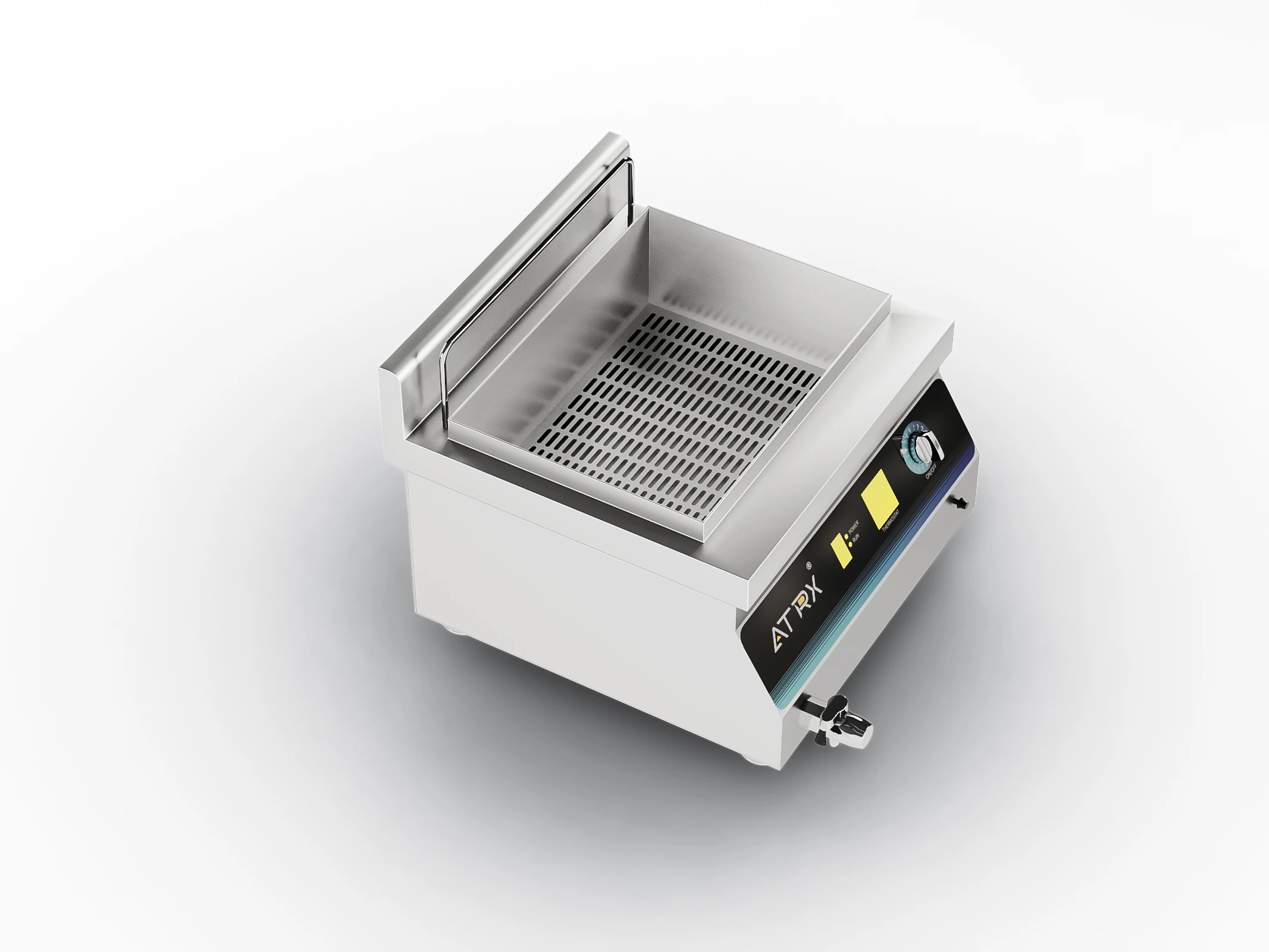
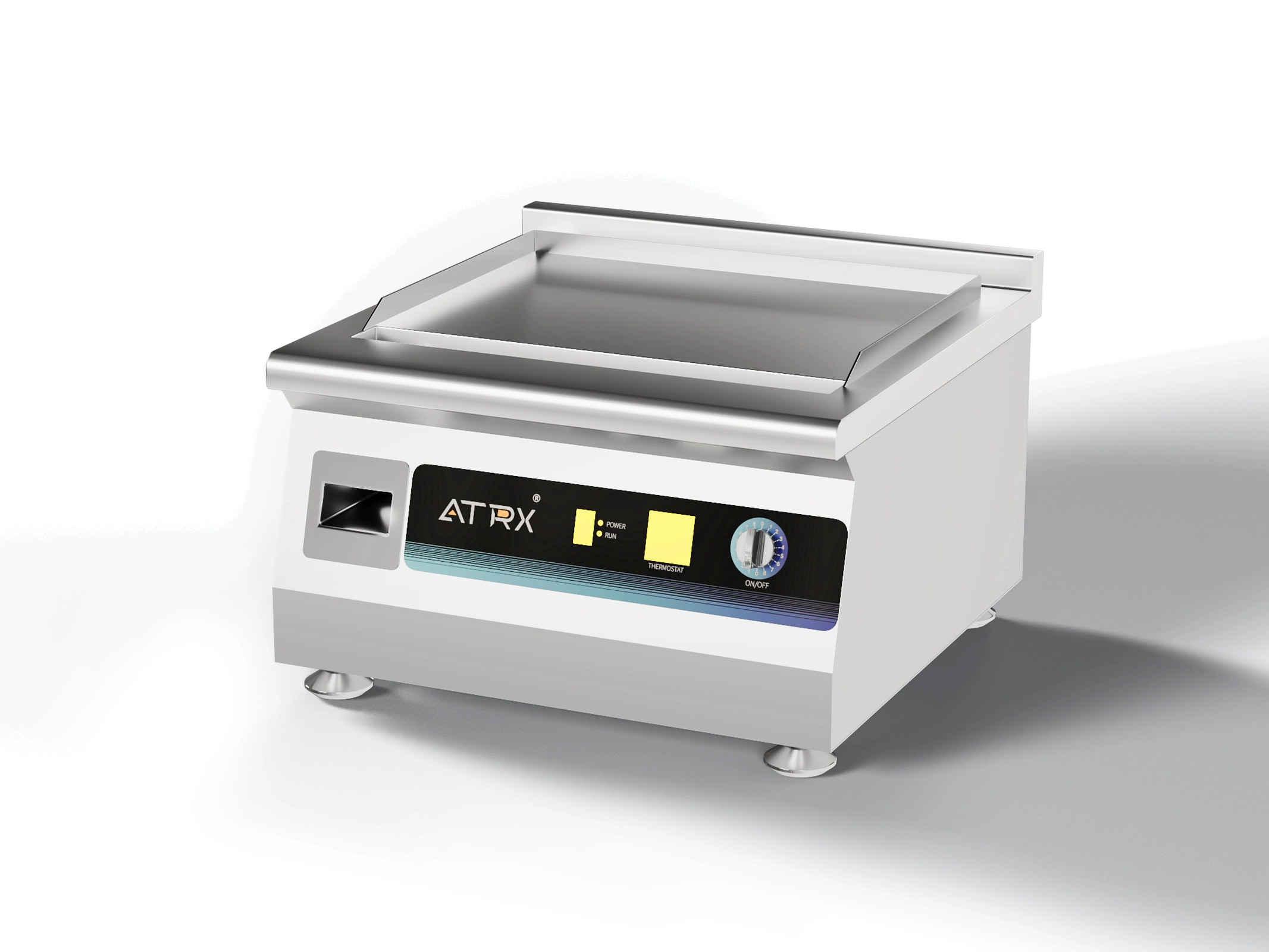
8kW and Above: For Large Pots, High Flames, and Serious Volume
This tier is built for heavy-duty work: oversized stock pots, full-power wok cooking, and kitchens that run 12+ hours a day without letup.
Some practical reference points:
- 10kW: Large-pot stewing, sustained high-heat stir-frying—standard for Chinese fast-food kitchens
- 12kW–15kW: Hotel banquet production, high-flame wok cooking, big institutional batches
- 15kW+: Central kitchens, factory canteens, military or school-scale mega-pot cooking
There’s a hard threshold at this level. Commercial induction cookers rated 8kW and above usually need 380V three-phase power. If your kitchen only has 220V single-phase, you’ll need to apply to your utility for an upgrade first. Our electrical requirements guide covers exactly how to confirm this.
Don’t wait for the equipment to arrive before finding out your power supply isn’t enough. That’s the number-one mistake we see buyers make.
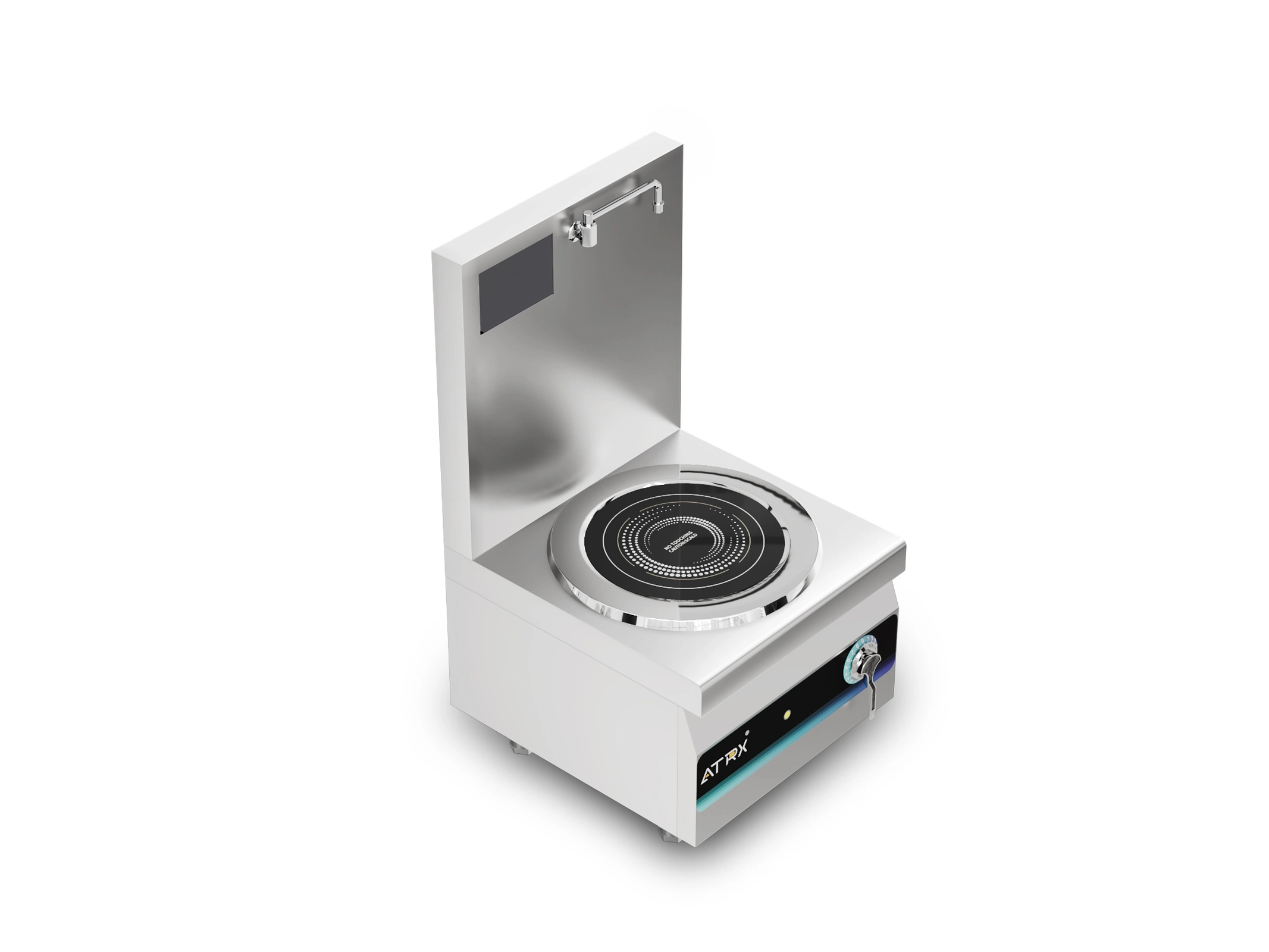
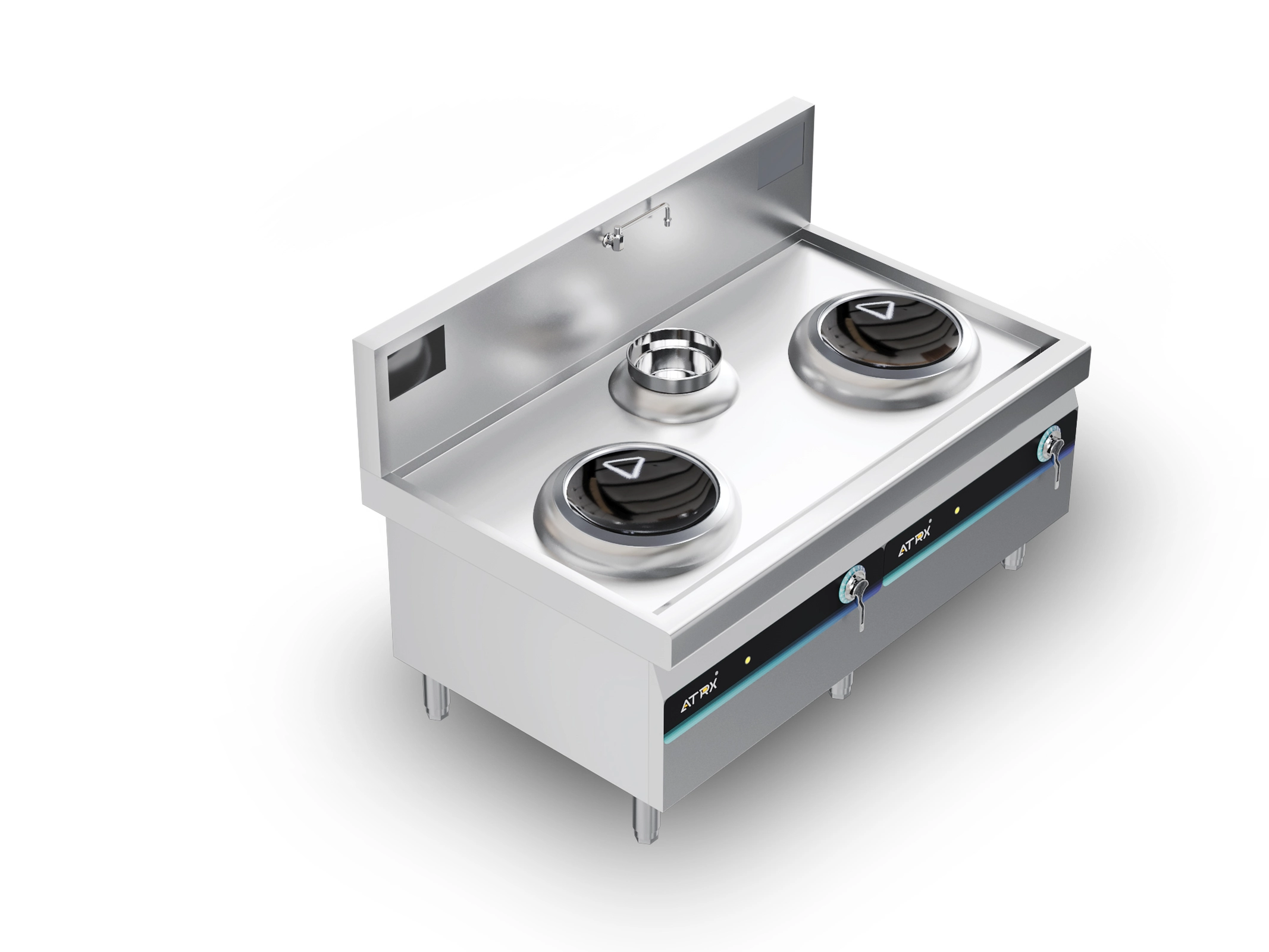
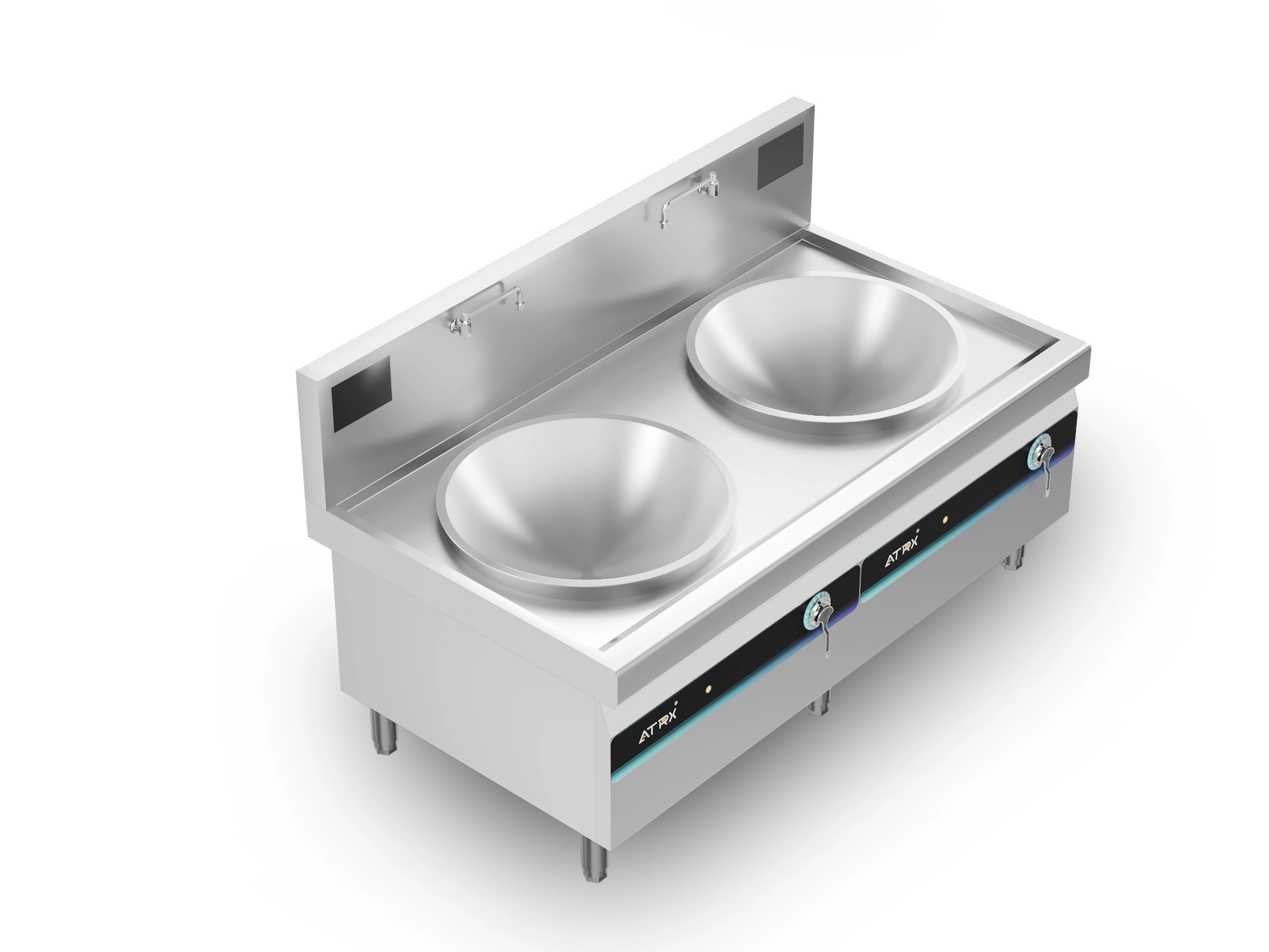
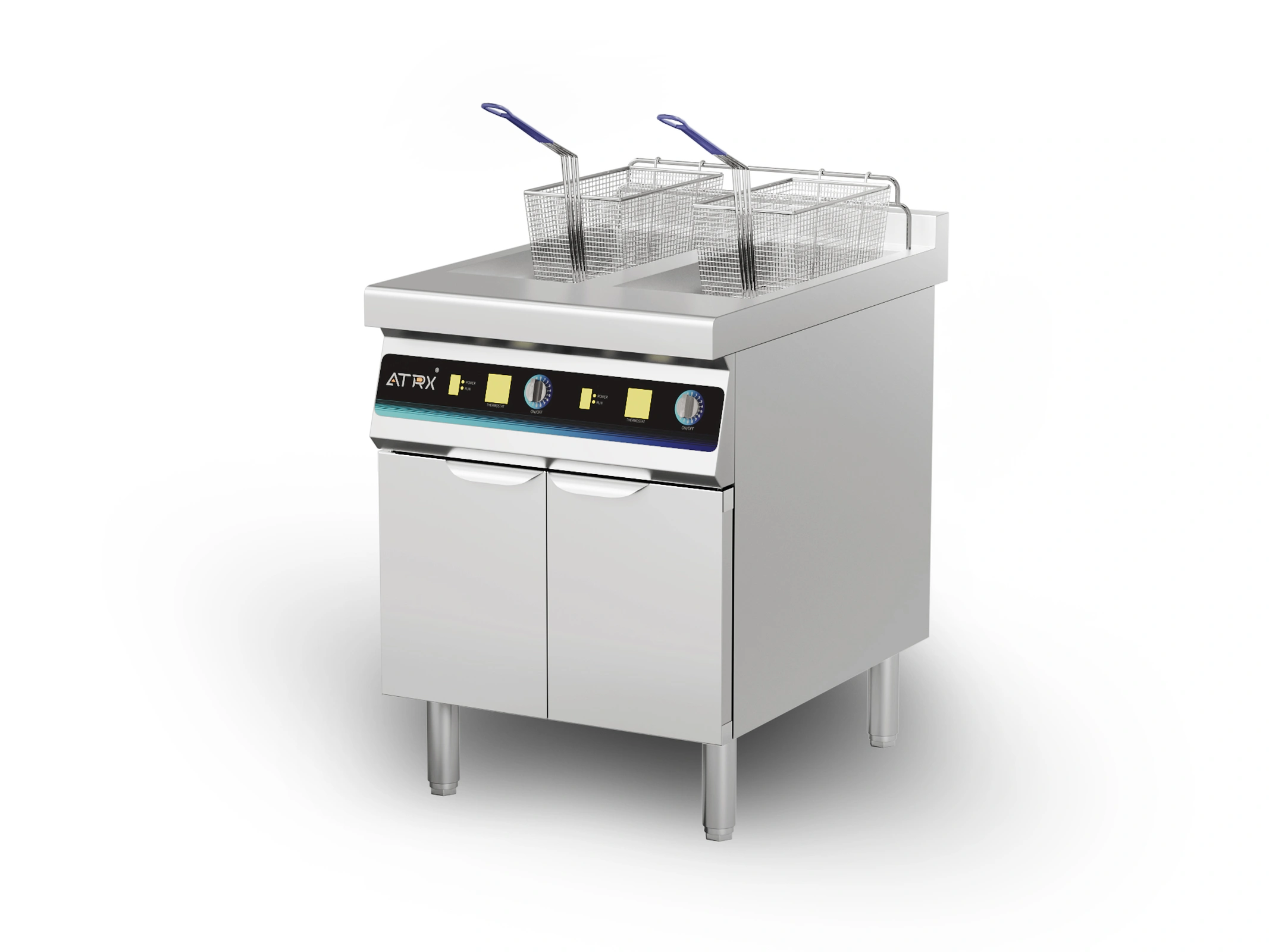
How to Pick the Right Power for Your Kitchen Type
The section above went power tier by power tier. This one flips it around—start from your kitchen type, and see what power level fits.
Small Shops (Cafés, Street Stalls, Casual Eateries): 3kW–5kW Does the Job
Short menu. Modest output. Small kitchen. In this setup, 3kW–5kW covers nearly everything you need day to day.
There’s a practical bonus, too: low electrical requirements. Units in this range run on 220V single-phase. No rewiring, no special circuits—plug in and cook. If you’re renting and don’t want to spend big on electrical upgrades, that matters.
The equipment is cheaper as well. Same brand, 3.5kW vs. 8kW—the price gap can be 40%–60%. No point paying for power you’ll never use.
Typical fits:
- Cafés—heating light meals, steaming milk, toasting sandwiches
- Street stalls—boiling noodles, blanching rice noodles, making flatbreads
- Casual eateries—everyday stir-frying, making soup
- Small delivery kitchens—basic cooking only

Mid-Sized Restaurants (Full-Service, Fast-Food Chains): 5kW–8kW Is Standard
Full-service restaurants usually have a wide menu, heavy ticket flow at peak hours, and stations that need to fire 20–30 dishes back to back without a break.
At that pace, 3kW–5kW feels a step slow. Not unusable—but each dish takes an extra minute or two. Stack that up over a full rush and your whole service speed drops. A 5kW–8kW setup gives you the headroom to hold pace when it gets busy.
Fast-food chains feel this gap most. Speed is the product. Going from 3.5kW to 5kW can shave 20%–30% off single-wok dish time. In a store doing several hundred dishes a day, that’s dozens more covers.
Deciding between 5kW and 8kW? Use this:
| Criteria | Go with 5kW | Go with 8kW |
|---|---|---|
| Dishes per station per rush | Under 30 | Over 30 |
| Lots of high-flame dishes on the menu? | Very few | Quite a few |
| Continuous deep frying needed? | Now and then | Often |
| Kitchen electrical supply | 220V single-phase | 220V or 380V—either works |
If two or more of those land in the 8kW column, go 8kW. Don’t second-guess it.

Large Kitchens (Hotels, Banquet Halls, Catering Centers): 8kW Minimum
A hotel banquet hall might serve 300–500 guests in one sitting. A catering center churns out thousands of meals a day. One thing in common: big pots, big batches, no downtime.
8kW is where this class of kitchen starts. In real setups, the main wok stations usually run 12kW–15kW. Large stewing positions can go to 20kW or more.
Two things need extra attention here:
First—confirm your electrical supply before you order anything. Above 8kW, you need 380V three-phase power. Some high-wattage models also require a dedicated circuit. If you’re renovating, tell your electrician the power requirements upfront. If you’re moving into an existing space, check the distribution panel first. If it’s not enough, apply for an upgrade early. Voltage, cable gauge, and breaker specs are laid out in our electrical requirements guide.
Second—plan power across the whole kitchen, not station by station. A large kitchen runs multiple equipment types: wok burners, stock-pot stations, steamers, fryers. Each has different power needs. You need a total power plan, not just a per-unit decision.
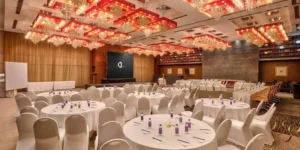
Is Bigger Power Always Better for a Commercial Induction Cooker?
No. This is the most common mistake we run into with buyers.
The instinct is: “Budget allows it, so buy the biggest—can’t hurt.” But oversizing causes just as many problems as undersizing.
Electrical infrastructure is the first hard wall. Higher power means higher demands on voltage, circuits, and panel capacity. A 15kW commercial induction cooker needs 380V three-phase and a dedicated breaker. If your premises only have 220V single-phase, the machine won’t even switch on. Upgrading takes time, approvals, and money—costs that don’t appear in the equipment quote but will absolutely hit your budget.
Real usage stays well below rated power. Commercial induction cookers don’t run at full wattage nonstop. Measured average utilization sits around 70%–85%. A 12kW unit actually draws about 8.5kW–9.5kW on average. You pay for 12kW at the register, but day to day it only runs at seven or eight tenths. Our energy consumption article has the measured data by power tier.
Unused power is wasted money. Same brand, same series—8kW vs. 15kW is a meaningful price jump. If your kitchen only needs 8kW of cooking capacity, the extra spend buys you nothing but idle headroom. It won’t make the food better. It won’t speed up service.
Three things to remember:
- If your electrical supply can’t handle it, a high-power unit is a paperweight
- Rated power ≠ actual draw—oversized equipment still won’t run at full load
- Match power to what you actually cook, not to a “more is more” instinct
Quick-Reference Power Selection Table
By this point you know how power tiers line up with different kitchens. The table below pulls together every recommendation into one view so you can match your situation and decide.
| Kitchen Type | Typical Cooking Tasks | Recommended Power | Voltage Required | Key Tip |
|---|---|---|---|---|
| Café / Casual Eatery / Street Stall | Frying eggs, boiling noodles, heating soup, light stir-frying | 3kW–5kW | 220V single-phase | Enough is enough—don’t chase higher numbers |
| Mid-Sized Restaurant / Fast-Food Chain | Daily stir-frying, stewing, deep frying, nonstop service | 5kW–8kW | 220V or 380V | Heavy peak-hour volume? Go 8kW |
| Hotel / Banquet Hall | Large-pot stewing, high-flame wok cooking, multiple burners at once | 8kW–15kW | 380V three-phase | Confirm your electrical supply first |
| Catering Center / Central Kitchen | Batch cooking, oversized pots, all-day operation | 15kW+ | 380V three-phase (dedicated circuit) | Do a full-kitchen power plan |
| Front-of-House / Buffet Station | Live cooking, holding, reheating | 3kW–3.5kW | 220V single-phase | Portability and appearance come first |
How to use this table: Find your kitchen type in the left column. Check whether the cooking tasks in the second column match your menu. Read the recommended power from the third column. The fourth column tells you what electrical supply you need—if yours doesn’t match, either go lower on power or upgrade the electrics first.
If you sit between two types—say, a casual eatery with higher-than-average output—round up one tier. A slight power surplus beats coming up short, as long as your electrics can support it.
Once you’ve settled on your wattage, head over to our commercial induction cooker product page to find exact models and specs in the range you need.
Common Questions People Ask
Q1: On a multi-burner commercial induction cooker, can every burner run at full power at the same time?
Not always. Many multi-burner units have a total power cap. When all burners are maxed out at once, each one gets automatically throttled. A unit labeled “3.5kW × 4 burners” might have a total input of only 10kW. That means each burner actually runs at about 2.5kW when all four are on full.
When buying, look at the total rated power—not single-burner power times the number of burners. Ask the supplier straight up: all burners on at once, how many watts does each one actually get?
Q2: My menu is mostly stewing with just a couple of high-flame dishes. Should I buy the biggest power to cover those?
No need. Pick power based on what you cook most, not on the occasional outlier. If 80% of your dishes sit comfortably at 5kW and only two or three need serious heat, the better move is 5kW on your main stations plus one 8kW unit for the high-flame work.
Going all-high across the board pushes up both your electrical bill and equipment cost—while most of that extra capacity just sits there unused.
Q3: I’m on 3.5kW now and it feels slow at peak times. Jump to 8kW, or is 5kW enough?
Start by figuring out where exactly it’s slow. If the bottleneck is heating up—boiling water, getting oil to temperature—going from 3.5kW to 5kW already makes a real difference. Heat-up time drops about 30%. But if the problem is the burner can’t recover fast enough between back-to-back dishes, your power margin is genuinely too thin. That’s when 8kW makes sense.
A practical test: time one lunch rush. Count how many dishes a single station fires in a row, and note any gaps where you’re just waiting for the burner to get back up to heat. Gaps mean the power bottleneck is real. No gaps? 5kW will almost certainly be enough.
About the author
ATRX Team| 18 Years Commercial
Induction Cooker Manufacturer in China
Induction Cooker Manufacturer in China
Related Posts
Best Commercial Induction Cooktop: Types &Buying Guide
10/09/2026
Commercial Double Hob Induction Cooker | Types, Power, and Installation Guide
10/05/2026
Commercial Induction Cooker 3500W: Model Selection, Commercial Power and Installation
09/29/2026
How to Install a Built-In Induction Cooktop: A Step-by-Step Guide
09/17/2026
How to Clean a Commercial Deep Fryer: A Step-by-Step Guide
09/13/2026
High Quality Commercial Induction Cooker Manufacturer
09/09/2026
Automatic Wok Machine: Types, Specifications, Applications and Buying Guide
08/18/2026
Commercial Induction Range: How to Choose the Right Size, Power, and Configuration for a Commercial Kitchen
08/15/2026
What Is a Commercial Induction Cooker and How Does It Work
08/13/2026
Commercial Induction Range for Hotel Kitchens: How to Choose the Right Model
08/11/2026