
Products Range
Induction Built-in Cooktop
Why Choose a Built-in Induction Cooker for Commercial Kitchens
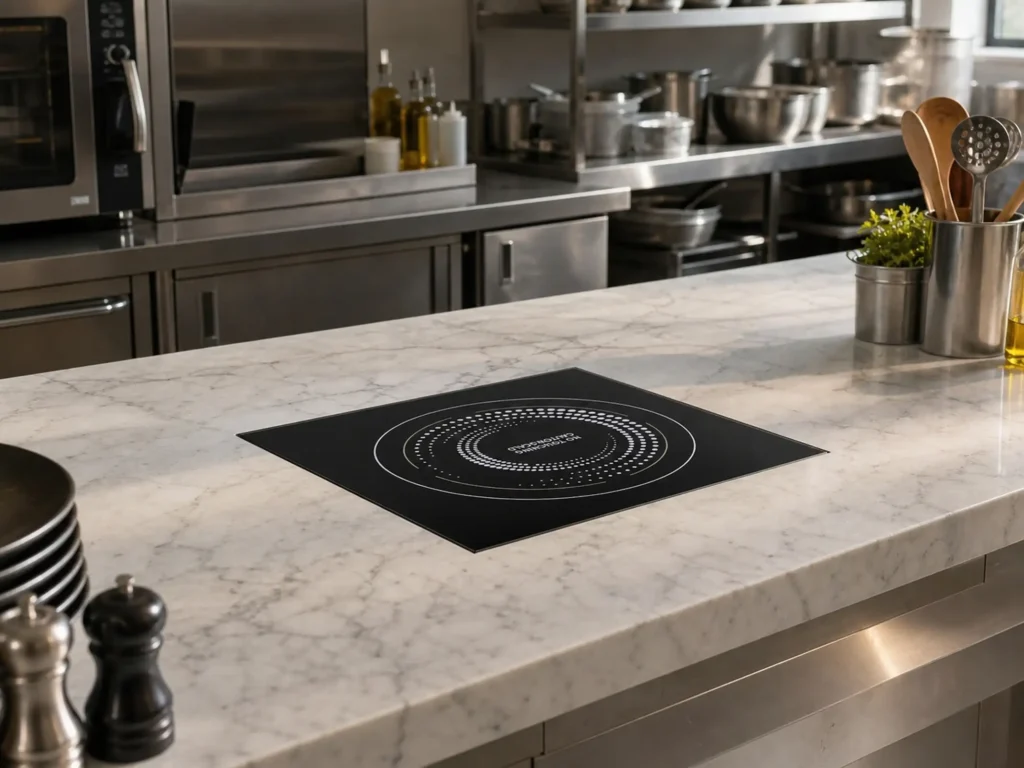
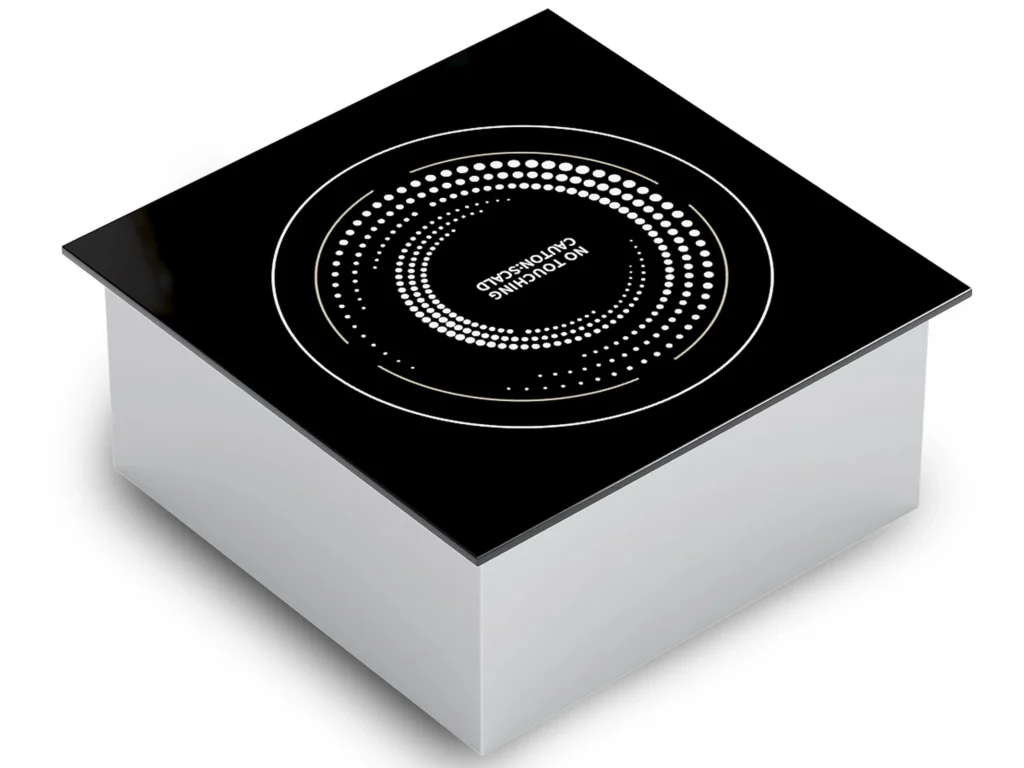
A commercial built-in induction cooker mounts flush with the countertop, saving workspace in tight kitchen layouts. Unlike gas burners, it produces no open flame — reducing ventilation requirements and keeping the kitchen significantly cooler during service hours.
A built-in induction cooktop heats cookware directly through electromagnetic coils, delivering up to 35% energy savings over gas equivalents. Also known as a drop-in commercial induction cooker, the sealed ceramic glass surface eliminates grease traps between burner and counter, making cleanup faster between shifts.

Buying Guide
How to Choose the Right Wattage for Your Built-in Induction Cooker
Wattage determines cooking speed and electrical requirements. Match these four factors to your kitchen before selecting a built-in induction cooker model.
01
Cooking Method
Match wattage to your menu. A 3.5kW built-in cooker handles sautéing, simmering, and sauce work. For high-heat wok cooking or rapid boiling, choose 5kW or above.
02
Electrical Supply
Most 3.5kW built-in units run on single-phase 220V. Units at 5kW and above typically require three-phase 380V with a dedicated circuit to reach full output.
03
Wattage & Cost
Higher wattage means larger coils, heavier housings, and higher-rated components. 3.5kW models are the most common and competitively priced for OEM bulk orders.
04
Flat vs. Wok Burner
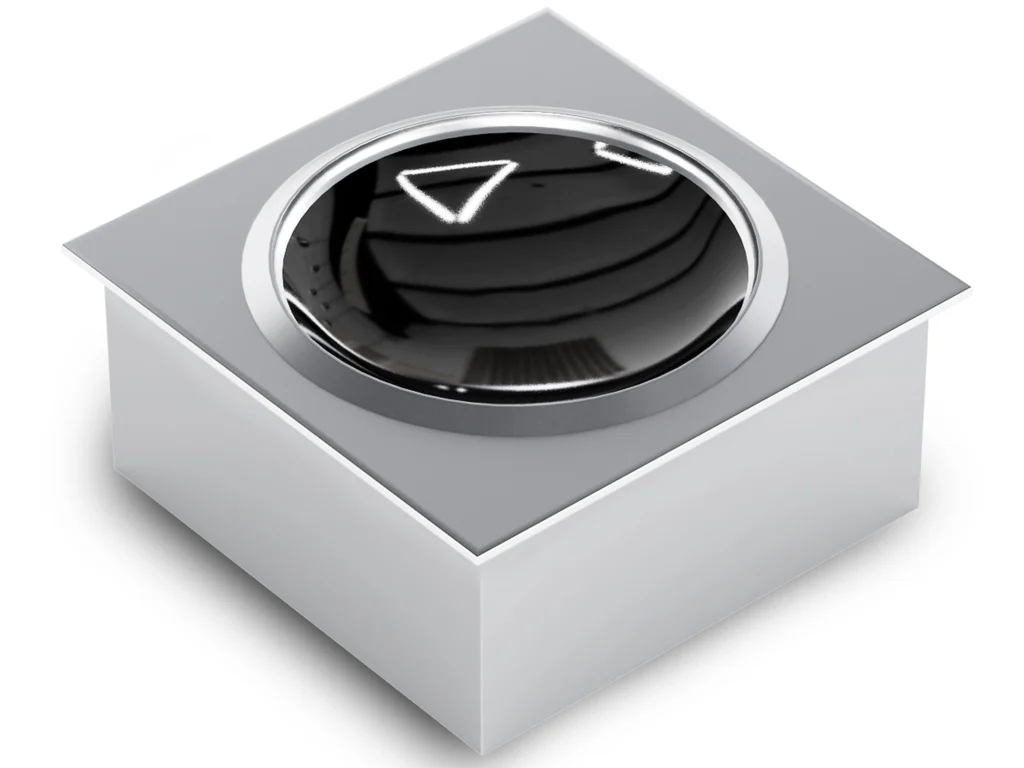
Flat built-in cookers suit Western cooking with flat-bottom pans. Wok built-in cookers have a concave surface for round-bottom woks used in Asian kitchens.
Buying Guide
Built-in Induction Cooker Installation: Cutout Sizes and Setup Basics
A built-in commercial induction cooker — also called a drop-in induction cooktop — drops into a pre-cut countertop opening. Proper cutout dimensions and ventilation clearance are critical for safe, long-term operation.
01
Cutout Dimensions
Each built-in induction cooker model requires a specific rectangular cutout in the countertop — typically ranging from 330×330mm for small single-burner units to 600×350mm for dual-burner models. Stainless steel countertops are standard. Confirm the cutout spec sheet with your supplier before fabrication, as tolerances are tight.
02
Ventilation & Electrical Clearance
Built-in induction cookers need 50–100mm of clearance below the unit for airflow to the cooling fan. A dedicated electrical circuit must be routed to the cabinet space beneath. Insufficient ventilation triggers thermal protection shutoff, reducing output during peak service — the most common installation mistake.
Where Built-in Commercial Induction Cookers Are Used
Restaurant Kitchens
Built-in restaurant induction cooktops are installed into stainless steel cooking lines as part of the main cooking station. The flush-mount design creates a continuous, cleanable work surface. Units from 3.5kW to 5kW handle most à la carte cooking, while wok-type built-in cookers serve high-volume Asian kitchens.
Hotel & Chain Operations
Hotel kitchens and chain restaurants use standardized built-in induction cookers across multiple sites for consistent equipment specs and simplified parts management. OEM branding and custom power configurations make bulk deployment practical. The no-flame design also meets strict hotel fire safety codes.
Buffet Lines & Display Cooking
Embedded drop-in induction cookers are widely used in buffet stations and front-of-house cooking displays. The flat glass surface stays cool beyond the pan contact zone, making it safe near guests. Low-wattage models at 800W–2kW handle holding temperature during extended service.