Top Commercial Induction Cooktop Suppliers and Brands
When you actually start sourcing equipment from commercial induction hob manufacturers, the first challenge you face is a genuinely confusing one: which brand do you trust, and which market segment should you approach first? In reality, today’s landscape of commercial induction cooktop suppliers has divided fairly clearly into two camps — the “service and endorsement” camp represented by European and American brands, and the “price and customization” camp represented by China’s leading manufacturers. Understanding the true positioning and core capability differences between these two camps is the essential first step toward making the right procurement decision.
Leading European and American Brands: Market Positioning and Core Strengths
CookTek, Vollrath, Hatco, and Garland are four Western professional induction range brands that have long dominated the mainstream commercial market in North America and Europe. Each has a distinct positioning, serving very different kitchen environments and buyer types. The table below presents a clear overview across four dimensions: brand background, core products/series, primary application scenarios, and core strengths.
| Brand | Brand Background | Core Products / Series | Primary Application Scenarios | Core Strengths |
|---|---|---|---|---|
| CookTek | Founded 1994, North American induction pioneer, headquartered in Texas | Single/double-hob countertop units, drop-in hobs, induction holding & transport systems | Fine dining restaurants, hotel kitchens, mainstream North American commercial kitchen scenarios | 30 years of technical depth, NSF certification, strong North American local service network, high brand trust |
| Vollrath | Established U.S. foodservice equipment manufacturer, distribution covering all of North America | Mirage Pro series (1,400 W / 1,800 W, 120 V countertop units) | Buffet lines, live-action banquet cooking, takeaway/delivery operations, small-to-medium restaurants | 100-level power adjustment, digital fault diagnostics, strong dealer stock availability, low procurement threshold, fast delivery |
| Hatco | Wisconsin-based U.S. brand focused on portable and drop-in induction equipment | Rapide Cuisine® portable series, Drop-In flush-mount series | Hotel banquet halls, large buffet areas, temporary cooking stations, high-end event catering | Flush countertop drop-in aesthetics, strong mobility, fast North American after-sales response |
| Garland | Part of the Welbilt Group, engineered for heavy-duty institutional kitchens | Master Series induction cooking suites (single units up to 20 kW, three-phase power) | Hospitals, schools, military canteens, large chain restaurants, and other high-intensity institutional kitchens | Heavy-duty construction for long service life, stable continuous high-power operation, supports institutional bulk purchase contracts |
As the table makes clear, the premium commanded by Western brands does not come primarily from the hardware itself. It stems from their comprehensive local distribution systems, after-sales repair networks, and the compliance credentials needed to get onto institutional approved-vendor lists.
For procurement teams at hospitals, schools, or upscale chain hotels — buyers whose supplier vetting processes are genuinely rigorous — that “someone will take care of it if something goes wrong” assurance is exactly what they are willing to pay a premium for.
China’s Leading Manufacturers: The Real Market Standing of Price, Power, and Customization
If the core value of Western brands is “brand endorsement + local service,” then the competitive advantage of China’s top manufacturers rests on three pillars: ex-factory price advantage, breadth of power configuration coverage, and large-account customization capability. Below are three Chinese manufacturers with the most outstanding real-world market standing today.
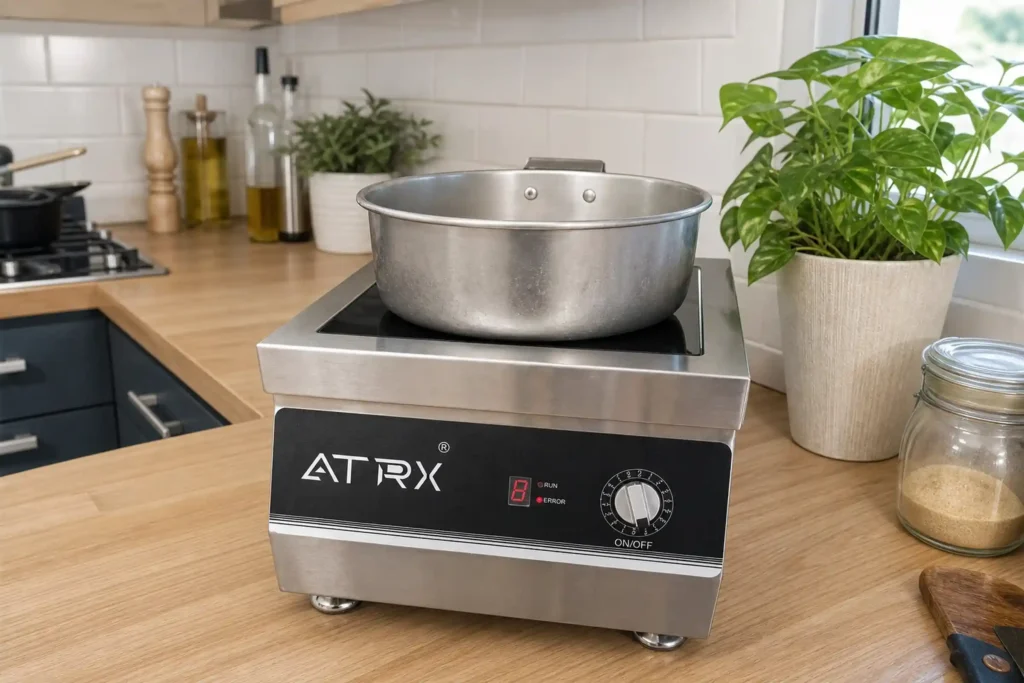
ATRX — A Globally Oriented OEM Factory-Model Supplier
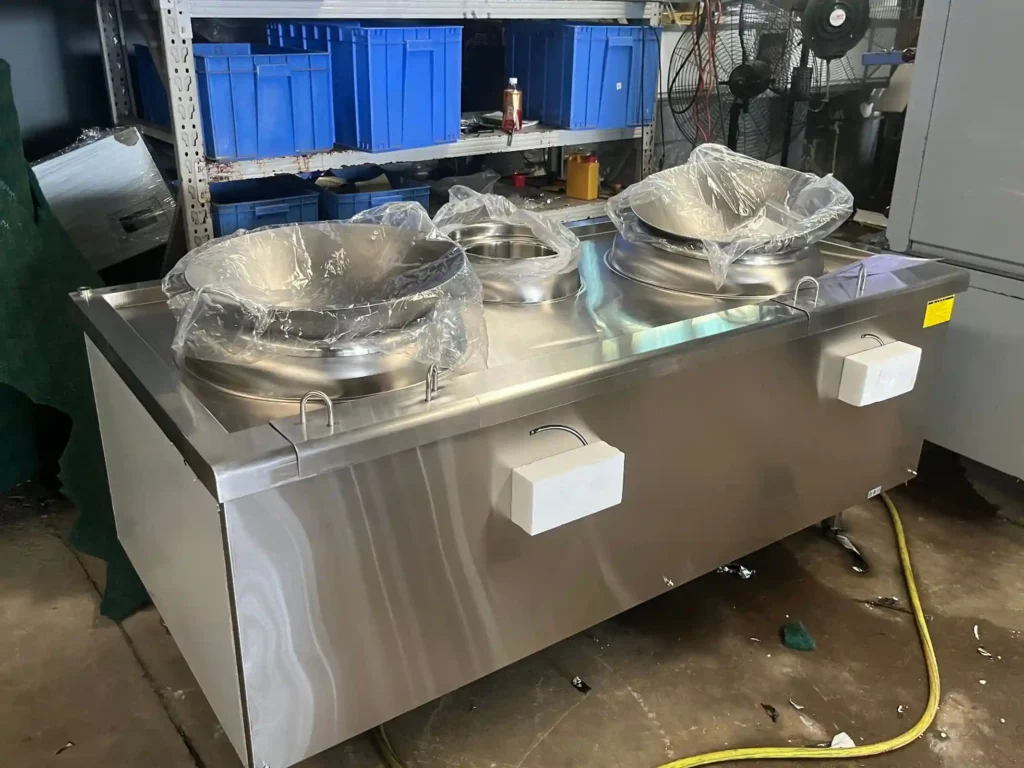
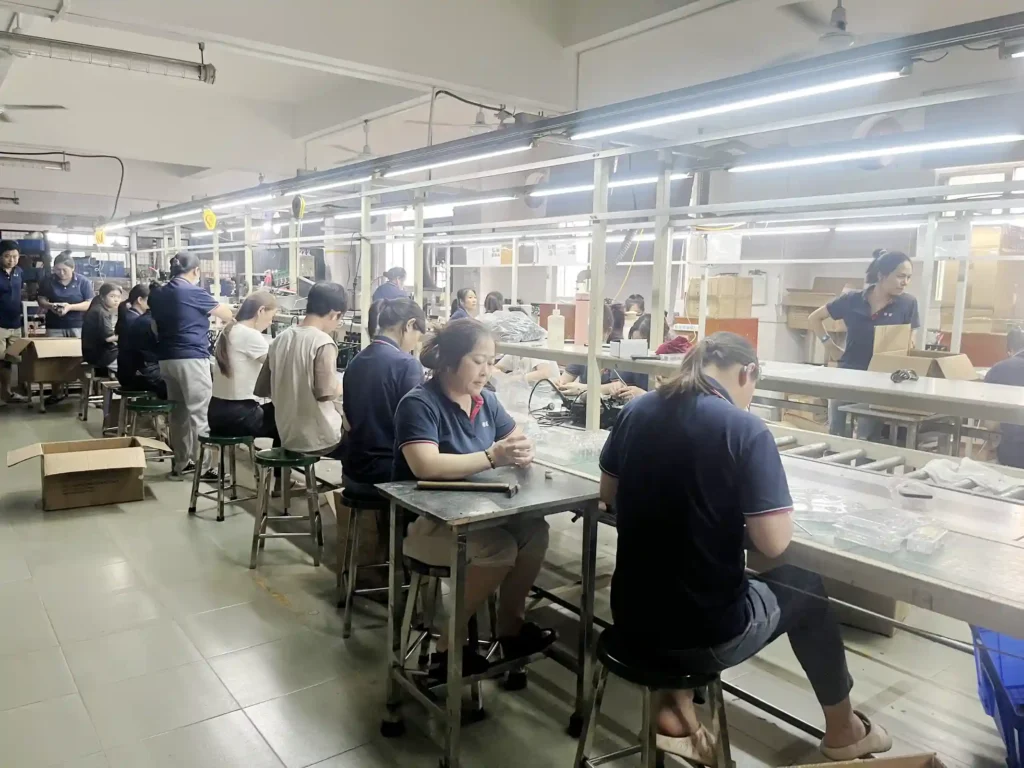
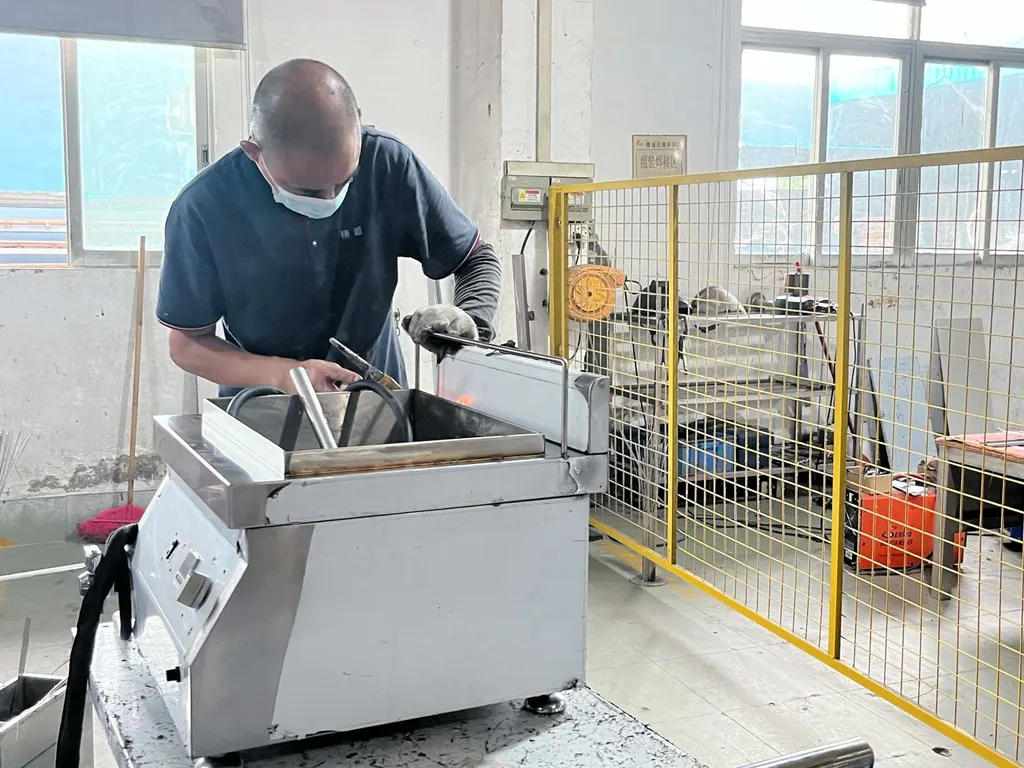
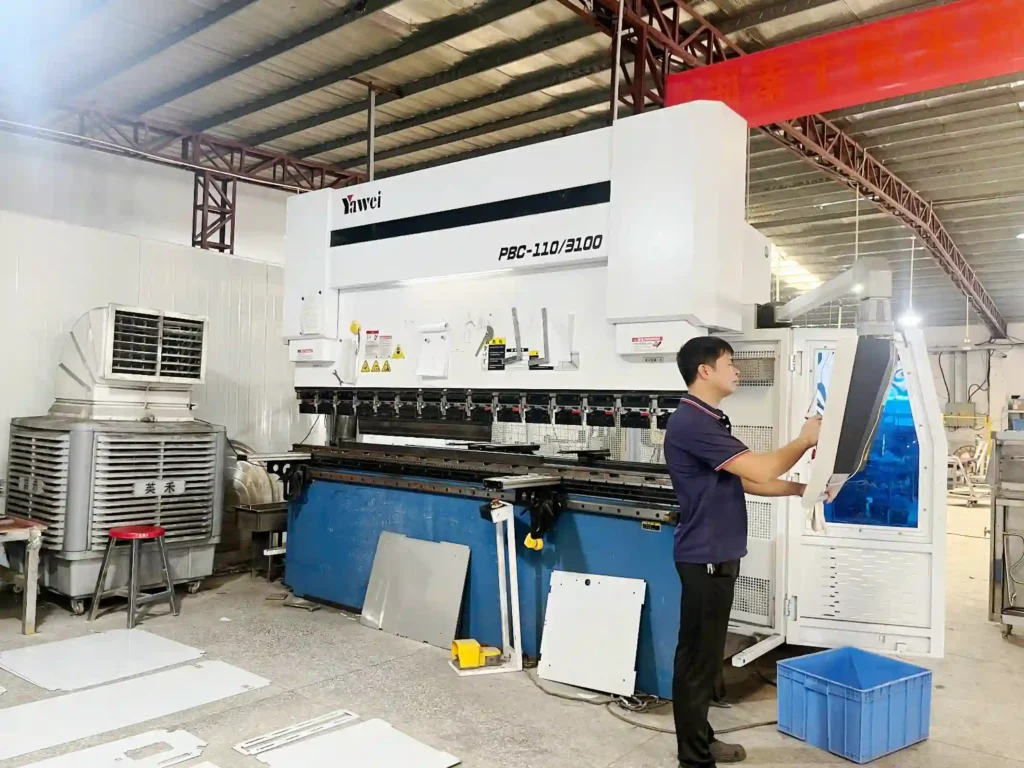
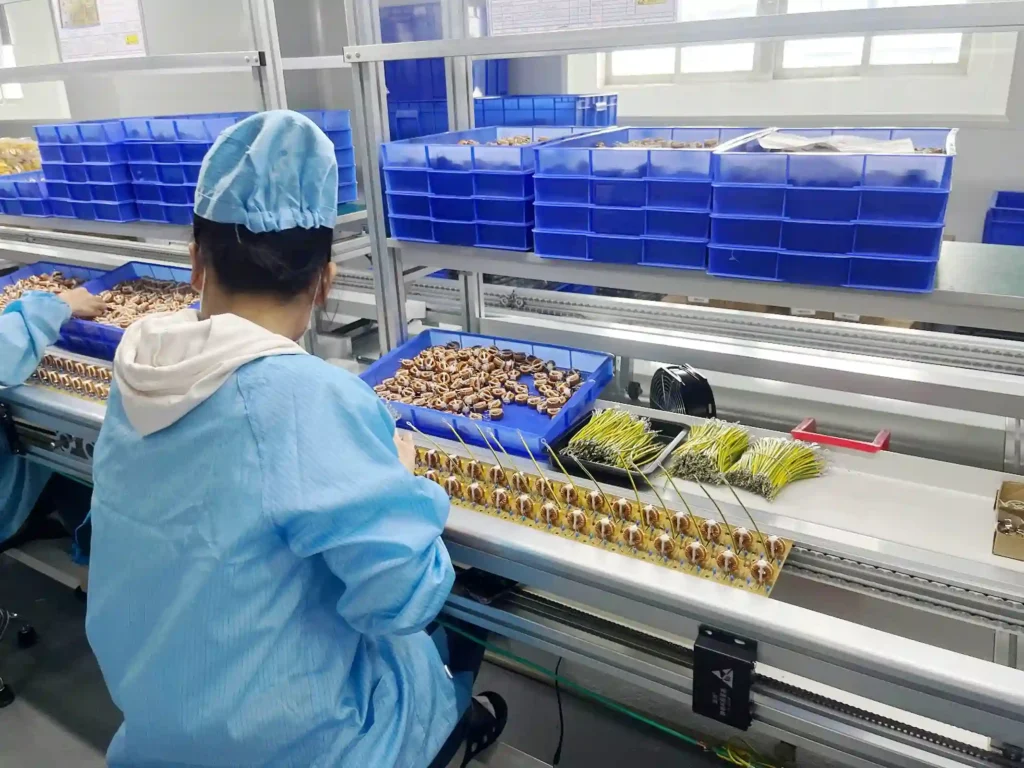
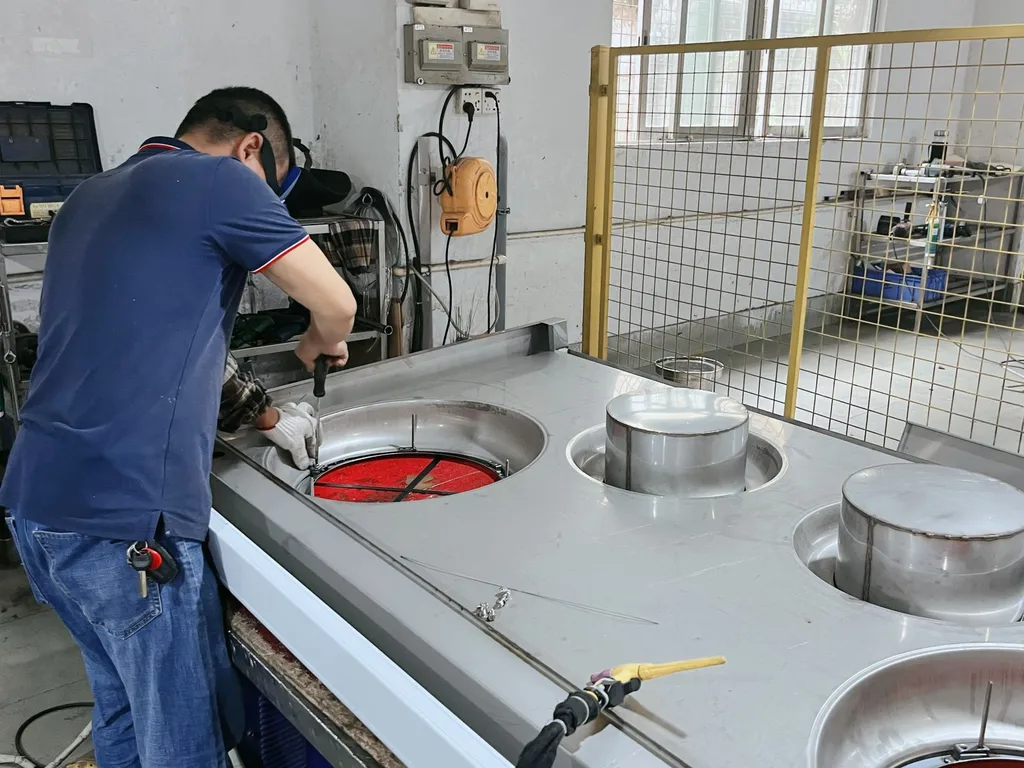
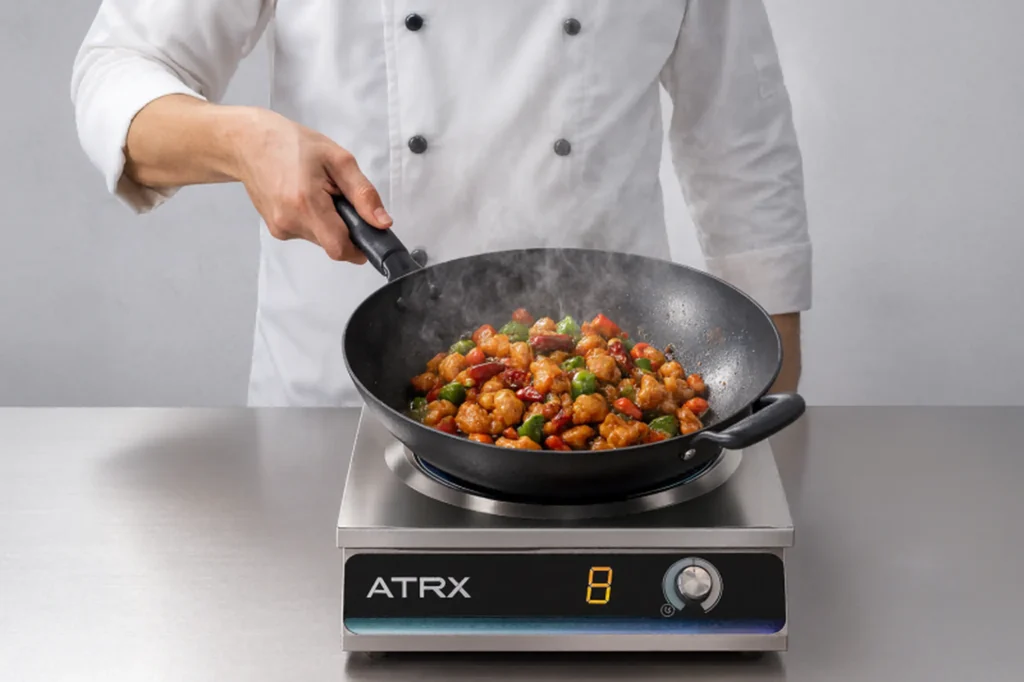
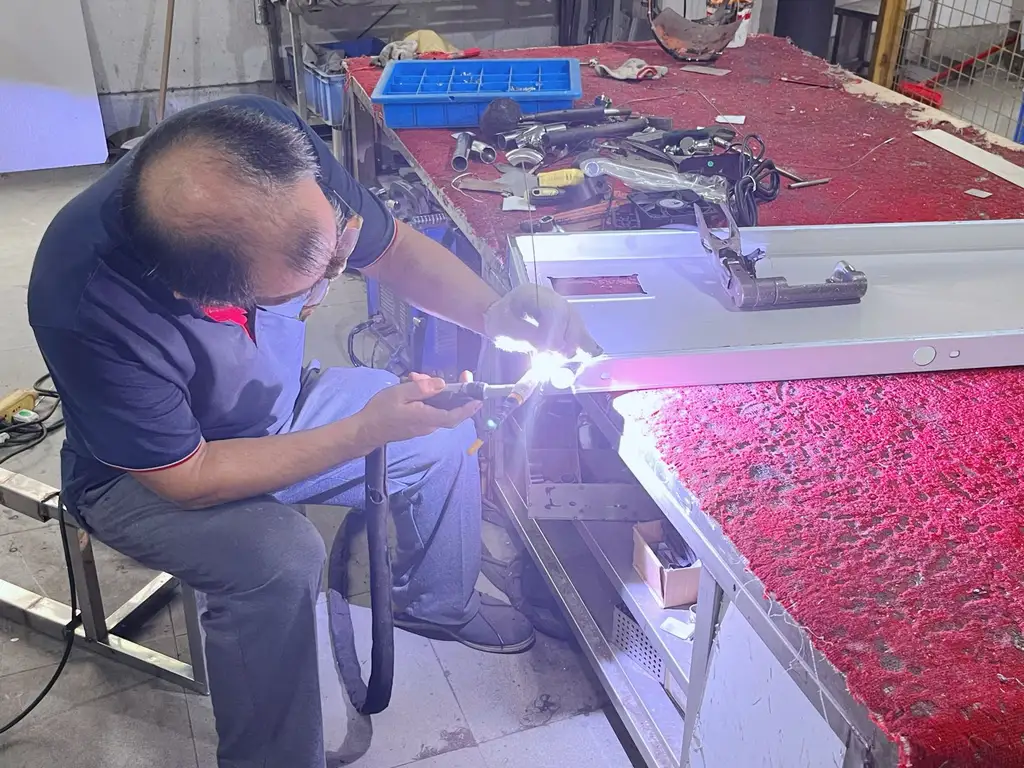
ATRX is a professional commercial induction cooker&cooktop manufacturer based in Dongguan, Guangdong, with over 20 years of production history. The factory covers 20,000 square meters and is equipped with laser cutting, CNC precision machining, and a dedicated cleanroom PCB production line. The cleanroom PCB assembly process is a key technical differentiator — according to the company, it reduces circuit board failure rates by approximately 30% compared to standard workshop environments.
The product power range spans 3.5 kW to 35 kW. ATRX holds ISO 9001, ISO 14001, RoHS, and CE certifications, and supports EXW, FOB, CIF, and DDP trade terms. Products have entered more than 30 country markets. For distributors and brand owners who require OEM customization or want to procure at factory-direct pricing, ATRX is a factory-side option well worth thorough evaluation. The 12-hour burn-in test applied to every unit before shipment also provides a foundational quality-consistency guarantee for bulk export orders.
AT Cooker — A Chinese Manufacturer with Local Stock in Europe and North America
AT Cooker was founded in 2010 and is headquartered in Shenzhen/Dongguan, Guangdong. It is currently one of the most distinctly localized Chinese commercial induction brands. Its most critical differentiator: the company has already established local inventory in eight countries — the United States, Germany, France, the United Kingdom, Belgium, Italy, Spain, and Bulgaria — enabling European and North American buyers to pick up stock quickly, effectively resolving the long lead-time pain point that has traditionally characterized Chinese manufacturers.
The product power range focuses on 3 kW to 50 kW. The full line carries CE certification (LVD + EMC, dual-certified for both 220 V and 380 V), and AT Cooker offers a 5-year full-unit warranty (including 2 years of free replacement + 1 year of free returns). The brand has served more than 3,000 restaurant clients to date. For European and North American buyers, AT Cooker effectively blurs the line between “made in China” and “local supplier” — delivering the price advantage of factory-direct procurement while matching local dealers on stock availability and response speed.
LESTOV (Guangdong Qinxin Technology) — A Long-Term Partner for Chain Brand Customization Projects
LESTOV (parent company: Guangdong Qinxin Technology Co., Ltd.) was founded in 2003 and is one of China’s earliest manufacturers dedicated to R&D in commercial induction cooking. It holds CE, CCC, ISO 9001, and ISO 14001 certifications. LESTOV’s most widely cited industry credential is its decade-plus deep customization partnership with U.S. fast-food chain Panda Express — since 2011, Panda Express has been purchasing LESTOV custom-spec induction cooktops, and at one industry evaluation event, LESTOV was selected as the only authorized Chinese custom manufacturer.
This case clearly illustrates LESTOV’s core competency: the ability to take on high-standard customization requirements from chain brands, covering specific power parameters, exterior dimensions, control interfaces, and branded labeling. For expanding chain restaurant groups or distributors with private-label needs, LESTOV offers a complete custom delivery pathway from sample to mass production.
Which Camp Should You Source From?
With a clear picture of each brand’s positioning, we can map out the essential differences between the two camps across four dimensions — price structure, power coverage, service and compliance, and customization/OEM capability — to help procurement teams identify which supplier type genuinely fits their situation.
On price structure, Chinese top manufacturers typically quote 30% to 50% lower ex-factory prices than comparable Western brands. At scale, that gap creates very substantial cost savings. The Western brand premium comes primarily from local distribution costs, the overhead of maintaining an after-sales service ecosystem, and the marketing premium of brand authorization. A significant portion of what you pay for a Western brand is, effectively, payment for the assurance that “someone will handle it if something breaks.”
On power configuration coverage, Chinese manufacturers’ product lines are far broader than those of Western brands. AT Cooker covers the full power range from 3 kW to 50 kW; ATRX can be configured up to 35 kW. By comparison, the Vollrath Mirage Pro concentrates mainly in the 1.4 kW to 1.8 kW light-duty range, and CookTek’s main product line is centered on countertop units below 5 kW. This means that if you need to power high-load Chinese wok stations, large soup pot stations, or industrial-scale steam kitchens, Chinese manufacturers offer more complete power-range coverage and are more easily configured to spec on demand.
On local service and compliance credentials, CookTek, Vollrath, Hatco, and Garland still hold advantages that are difficult to replicate — especially in procurement scenarios like hospitals, schools, and government institutions, where vendor qualification requirements are genuinely strict. That said, as AT Cooker builds out local inventory across eight countries and LESTOV accumulates North American market credibility through the Panda Express reference, this gap is being steadily narrowed.
On customization and OEM capability, this is almost exclusively the territory of Chinese manufacturers. Whether it is LESTOV taking on full-suite customization for chain brands, ATRX supporting OEM partnerships through its cleanroom factory model, or AT Cooker reducing compliance concern for European buyers with a 5-year warranty and local stocking system — all three have demonstrated international-standard custom delivery capability. This is precisely the area where Western brands are naturally constrained by their production cost structures.
Key Specs to Compare Before You Buy
Different brands of restaurant induction cooking equipment may look similar on a spec sheet, but actual performance in use can vary dramatically. The factors that genuinely separate brands are three groups of key parameters: the competitive landscape behind power and burner configurations, the material choices for core hardware components that determine long-term stability, and the certification framework that determines whether a product can legally enter your target market. Comparing across these three dimensions is the only way to avoid procuring equipment that looks compliant on paper but is mismatched to your operation.
Power and Burner Configuration
Commercial induction hob power ranges fall broadly into three tiers, and different manufacturer types are not equally competitive across those tiers. Understanding this distribution directly affects which sources you should prioritize during your evaluation process.
- Single-hob 3.5 kW–5 kW (Cafés / Food Trucks / Small Takeaway Outlets): This power range corresponds to portable countertop units. U.S. brands such as Vollrath and Waring have mature certified products here, emphasizing temperature control precision and local after-sales support, with single-hob power covering 1,440 W to 3,800 W. Chinese manufacturers offer a clear price advantage at equivalent power configurations, making them attractive for budget-sensitive buyers with larger procurement volumes. This tier has the widest brand selection and the most intense competition — there is substantial room to compare prices.
- 4–6 Hobs, Total 15 kW–30 kW (Mid-Size Full-Service Restaurants): Once you move into multi-hob drop-in units, Western brands’ product lines narrow considerably. Most mainstream North American brands have limited model choices in this power range, and per-unit pricing is noticeably higher. Chinese specialist manufacturers such as ATRX and LESTOV have a more complete product matrix here and stronger customization capability, particularly suited to project-based procurement requiring drop-in installation or non-standard dimensions. Key metrics to compare: per-hob power ceiling, independent zone temperature control, and voltage compatibility for three-phase supply.
- 8 Hobs, Total 30 kW+ (School Canteens / Hotel Kitchens / Central Production Kitchens): This power tier is almost exclusively the domain of Chinese heavy-duty commercial induction manufacturers. Western brands have virtually no mature product lines for floor-standing heavy-duty units above 20 kW, while Chinese manufacturers have abundant engineering case histories and scalable delivery capability in this range. When comparing across brands here, do not focus on the nominal total wattage rating — that figure varies little between suppliers. Focus instead on documented stability under sustained high-load continuous operation. Require real commercial project references, not just peak figures from a spec sheet.
Comparing Core Hardware Components Across Brands
Any brand can print a power figure on a spec sheet. What actually differentiates quality tiers are the material standards behind three core hardware components: the IGBT chip, the glass ceramic panel thickness. These three factors directly determine how long a unit will last in a commercial kitchen environment and how likely it is to fail.
IGBT Chips are the core power devices inside an induction hob responsible for converting standard AC power into high-frequency induction current. In a 15 kW unit, the IGBT must perform thousands of switching cycles per second under 40-ampere current loads, sustaining extremely high thermal stress over long operating periods. Units configured with German Infineon IGBT modules, which offer a higher junction temperature tolerance (150°C–175°C) and superior thermal conductivity, perform measurably more stably in 24-hour continuous operation scenarios, with target MTBF (Mean Time Between Failures) exceeding 30,000 hours. Entry-level units using unbranded generic domestic chips typically achieve MTBF of around 5,000 hours and are far more likely to experience thermal failure under high-load or unstable grid voltage conditions. When requesting quotes, always ask suppliers to specify the IGBT brand and model number — this is the single most direct way to determine the hardware quality tier.
Glass Ceramic Panel Thickness is a straightforward differentiator of unit positioning. A 6 mm glass ceramic panel meets approximately 125 kg static load-bearing standards, suitable for heavy-duty kitchen environments where cast iron cookware or large-capacity soup vessels are in regular use. A 4 mm panel corresponds to lighter-duty Western-style cooking or drop-in installations with thickness constraints. Note that some low-price units label themselves “ceramic glass” on spec sheets while actually using non-certified substitute materials that carry a meaningful cracking risk under continuous high-temperature conditions. To verify the actual material, require the supplier to provide a raw material inspection report for the panel.
The table below can be used directly to benchmark hardware configuration tiers across brands:
| Hardware Dimension | Entry-Level Configuration | Commercial-Grade Configuration | Heavy Industrial Configuration |
|---|---|---|---|
| IGBT Chip | Unbranded generic domestic chip | Reputable domestic chip (Starpower, CRRC) | German Infineon module |
| Reference MTBF | ~5,000 hours | ~15,000 hours | 30,000+ hours |
| Glass Panel Thickness | 3.5 mm or non-certified substitute | 4 mm standard glass ceramic | 6 mm heavy-duty glass ceramic |
| Panel Load Rating | Not specified | ~80 kg static load | ~125 kg static load |
| IP Ingress Protection | IP21 | IP44 | IP54 |
| Suitable Kitchen Type | Dry Western-style bar counter | Standard restaurant kitchen | Chinese kitchen / canteen / hotel kitchen |
Which Type of Kitchen Each Brand Is Best For
Choosing the wrong brand is rarely a matter of insufficient budget. More often, it comes down to not clearly understanding what your kitchen actually needs. Different foodservice operations place radically different demands on induction equipment — some need instant portability and plug-and-play setup, others need temperature precision down to 1°C, and others need to withstand 12-plus hours of continuous daily operation. The following section helps you make the right match across three angles: kitchen type, budget range, and a factor that is easy to overlook but carries major consequences — what happens when the equipment breaks down.
Match by Kitchen Type
Different kitchen types have fundamentally different core requirements for induction equipment. Identifying your scenario first and then selecting a brand is far more valuable than simply comparing specifications in the abstract.
- Fast Food Outlets and Food Trucks → Waring / ATRX Countertop Single-Hob: These kitchens prioritize deployment speed and operational simplicity above everything else. Standard single-phase voltage (120 V / 240 V) with direct plug-in setup requires no electrical retrofitting, and the control panels are intuitive enough that staff training is minimal. Waring’s WIH400 offers 10-level power adjustment and a 3-hour timer with a clear, logical interface. ATRX’s countertop single-hob units are compact and well-suited to the limited workspace of a food truck environment. Neither brand chases extreme precision, but in this type of operation, reliable simplicity matters far more than feature richness.
- Fine Dining → CookTek / Vollrath: Fine dining kitchens do not need “hot enough” — they need “exactly right.” Tempering chocolate requires precise switching between 27°C and 32°C; French sauces need to hold a fixed temperature for extended periods without overshooting. CookTek is one of the earliest pioneers of commercial induction in North America and its units are purpose-engineered for refined cooking techniques, with temperature accuracy to ±1°C and widespread deployment in Michelin-starred kitchens and upscale hotel properties. The Vollrath Mirage Pro series delivers equally precise digital temperature control in a durable commercial-certified structure, making it a strong choice for fine dining operations with high stability requirements.
- High-Volume Hotels / Schools / Large Canteens → Garland / LESTOV 6–8 Hob Floor-Standing Units: The challenge in large institutional kitchens is multi-hob scale, extended daily operating hours, and zero tolerance for mid-service downtime. Stacking multiple countertop single-hob units is inferior to an integrated floor-standing configuration on both manageability and stability grounds. Garland, part of the Middleby Group, is known for heavy-duty construction and even heat distribution across the cooking surface, with induction cooking suites that embed into traditional cooking suite layouts so kitchens can electrify without changing their operational habits. LESTOV’s 6–8 hob floor-standing models incorporate thermal management engineering specifically optimized for sustained high-load operation, at a purchase price that is competitively positioned for hotel and school bulk procurement.
Match by Budget Range
Commercial induction prices range from under $200 to over $5,000. The gap reflects fundamentally different usage-intensity design and functional positioning — not simply quality. Overpaying is not necessarily efficient; underpaying and burning through equipment is equally wasteful. The core logic is: first establish your daily operating hours and how demanding your menu is on temperature control, then match to the appropriate tier.
- Entry Level $100–$300 (Waring / Avantco): Suitable for locations operating fewer than 5 hours per day with relatively simple cooking requirements — cafés, small takeaway operations, or supplementary burners during peak hours. Equipment at this price point is not “low quality” — it is designed for light-usage scenarios. Problems arise when it is operated beyond its design intensity. Avantco units are sold through professional channels such as WebstaurantStore, making spare parts reasonably accessible.
- Mid-Range $1,000–$3,000 (Vollrath / ATRX Multi-Hob): This tier covers the needs of most commercial kitchen primary workhorses. Units at this price point typically feature industrial-grade IGBT power modules, splash-proof certification, longer warranty terms, and multi-zone independent temperature control. Suitable for mid-size restaurants or chain outlets running 8–10 hours per day with daily revenue above $2,000 — this is the most densely competitive value zone.
- Premium $3,000+ (CookTek / Electrolux Professional): Procurement at this level is not just about equipment — it is also about buying brand credentials. Five-star hotels and high-end foodservice operations sometimes need to present internationally certified brand procurement records to investors or regulatory bodies. In that context, CookTek’s North American industry standing and Electrolux Professional’s global brand recognition are themselves decision-making inputs. Electrolux Professional’s premium models also support integration with kitchen management systems, suited to large chain brands with digital operations requirements.
| Budget Range | Representative Brands | Suitable Scenarios | Daily Operating Hours | Core Strengths |
|---|---|---|---|---|
| $100–$300 | Waring, Avantco | Food trucks, cafés, supplementary burners | ≤5 hours | Plug-and-play, simple operation |
| $1,000–$3,000 | Vollrath, ATRX | Mid-size restaurants, chain outlet primary units | 8–10 hours | Industrial-grade durability, multi-zone control |
| $3,000+ | CookTek, Electrolux Professional | Five-star hotels, fine dining flagship kitchens | 10+ hours | Precision temperature, brand credentials, system integration |
Red Flags to Watch When Choosing a Commercial Induction Range Vendor
The root causes of poor vendor selection almost always trace back to three directions: falsified hardware specifications, questionable certification documents, and contract terms that set traps for buyers. Each of these deserves careful attention from any buyer evaluating foodservice induction burner makers — especially when sourcing at volume. The most common forms of hardware misrepresentation in the commercial induction space each target the chip, the panel, or the power rating. All three can be verified by requiring third-party inspection reports and physical sample testing.
Unbranded IGBT Chips: The Most Common Cause of Premature Equipment Failure
The IGBT chip controls high-frequency current switching inside the induction unit and is the single most critical power component in the entire assembly. Properly specified commercial-grade units use original chips from recognized manufacturers such as Infineon, with service life exceeding five years under rated operating conditions. Some low-price suppliers use chips from unverifiable sources — or, in the worst cases, refurbished used chips. These chips have inferior heat dissipation, and under sustained full-load operation during peak restaurant hours, the probability of board burnout rises noticeably within the first six months.
To verify this before placing an order, require a component inspection report issued by a recognized third-party body such as SGS or TÜV Rheinland. The report must clearly state the chip brand and part number. Do not accept a verbal assurance or an internal factory document as a substitute.
Glass Panel Thickness Misrepresentation: The Most Overlooked Specification Fraud
The glass ceramic panel of a commercial induction hob must withstand sustained pressure from heavy cookware and repeated thermal cycling. The commercial-grade standard thickness is 6 mm. Some suppliers specify 6 mm on their data sheets but physically install 4 mm panels. The cost difference is approximately 25%, but the durability gap is substantially larger — 4 mm panels carry a significantly higher cracking risk under heavy-use conditions.
The verification method is straightforward: once a sample unit arrives, use a digital vernier caliper to measure the panel at all four corners and the center point, then compare the average to the stated specification. Simultaneously, require the supplier to provide a material certification document for the panel. This takes under five minutes and should never be skipped.
Power Rating Inflation: The Hardest Hardware Deception to Detect Visually
Some suppliers list “5,000 W” on their product page, but this figure represents a brief peak reading rather than the sustained rated output the unit can maintain under continuous operation. Actual continuous output may be only 3,200 W — completely insufficient for the rapid temperature recovery and sustained high-heat demands of a professional kitchen.
To verify this, require the inspection report to clearly distinguish between peak power and rated continuous power. The test conditions must specify continuous full-load operation for a minimum of 30 minutes, not an instantaneous reading. Commission a third-party lab to conduct the test on a physical sample using a power analyzer, with results bearing the institution’s official seal and an engineer’s signature. This is the only documentation that carries real evidentiary weight in a dispute.
Final Perspective: The Right Balance for Your Procurement Decision
Selecting a commercial induction hob vendor is fundamentally a matter of finding the right balance among three things: how much premium you are willing to pay for brand endorsement, which power tier and hardware grade your kitchen genuinely requires, and whether you can identify and mitigate the risks that hide in contract terms before you sign. Western brands deliver value through ready-to-deploy compliance assurance and local after-sales responsiveness. China’s leading manufacturers deliver value through broader power coverage and more flexible customization capability.
Neither camp is inherently superior — only one option will be more appropriate for your specific operational scenario. Before placing any order, run through the hardware verification checklist, certification database validation steps, and contract term review process described in this article. Doing so will filter out the vast majority of vendors that genuinely warrant concern.
Common Questions People Ask
Q1: I only need one unit for a small takeaway shop — do I really need to seek out a commercial-grade brand?
Not necessarily. If your daily operating time does not exceed 5 hours and your cooking requirements are relatively straightforward, entry-level units from Waring or Avantco are entirely sufficient. There is no need to pay for the hardware specifications of a heavy-duty commercial unit. The right deciding criterion is daily operating hours — not the size of the establishment.
Q2: A supplier says they already have CE certification — do I still need to verify it myself?
Yes, you do. The CE mark can be self-affixed without any third-party audit whatsoever. Verification costs nothing — simply log into the EU NANDO database and enter the four-digit notified body number printed on the certificate. You can confirm authenticity within 5 minutes. This step should never be skipped.