

Automatic Wok Machine: Types, Specifications, Applications and Buying Guide
08/18/2026
Estimated reading time: 2 minutes

This guide is written for commercial equipment research, selection and purchasing. If you are comparing an automatic wok machine or related cooking equipment, you will find practical guidance on equipment types, capacity, power, heating methods, control functions, installation requirements and supplier evaluation. The guide also explains the limits of automation. Ingredient preparation, loading, seasoning, unloading and cleaning may still require trained staff.
IN THIS ARTICLE
- What Is an Automatic Wok Machine?
- Types of Automatic Wok Equipment and Their Applications
- How to Choose the Right Equipment for Your Kitchen
- How Does It Compare with Other Cooking Equipment?
- How to Use the Equipment for Consistent Results
- Installation, Safety, Cleaning and Maintenance
- How to Evaluate Energy Use, Labor Savings and ROI
- Where to Buy and How to Evaluate Suppliers
- Frequently Asked Questions
What Is an Automatic Wok Machine?
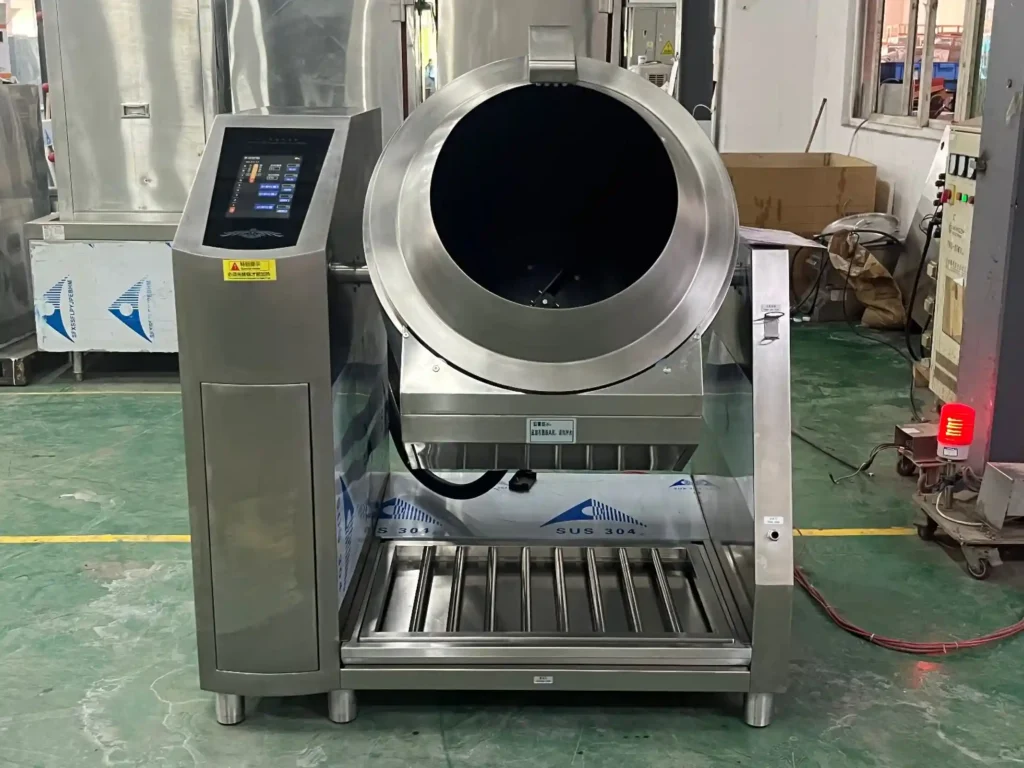
An automatic wok machine may also be described as an automatic cooking machine, automatic stir-fry unit or automated wok cooker. The main components usually include the wok or cooking vessel, heating system, stirring or wok-movement mechanism and control system.
Depending on the model, an operator may set the cooking time, temperature, power level, stirring speed or recipe program. The equipment then performs the programmed cooking movements and heating cycle.
Common components include:
- Wok or cooking vessel: Holds the ingredients and provides the cooking surface.
- Automatic stirring, rotating or tilting mechanism: Reduces the need for continuous manual stirring.
- Electric, induction or gas heating system: Matches different heat-load requirements and site conditions.
- Control panel: Allows the operator to set time, temperature, power, stirring speed or cooking programs.
- Ingredient or seasoning support: Helps organize the loading sequence for selected recipes.
- Spray, grease collection or removable cleaning components: Support cleaning after each batch.
- Safety devices: May include emergency stop controls, overheat protection, splash guards and automatic shutdown functions.
Traditional wok cooking depends heavily on the chef’s continuous observation and adjustment. Automated equipment standardizes selected parts of the process. For example, a fried rice batch can follow a defined ingredient weight, heating time, stirring rhythm and unloading procedure.
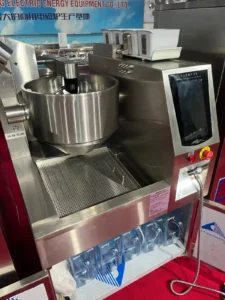
Which Kitchens Are Suitable for This Equipment?
Automatic wok equipment is often suitable for the following applications:
- Chinese restaurants and quick-service kitchens with repetitive menus and regular batch production.
- Chain restaurants that need consistent recipes and operating procedures.
- Central kitchens, school canteens and corporate canteens with defined production targets.
- Food-processing operations producing sauces, fillings, seasonings, meat products or prepared foods.
- Kitchens that want to reduce continuous stirring work and shorten the training time for new operators.
Careful evaluation is recommended when:
- The menu depends on constant chef judgment and last-minute heat adjustments.
- The kitchen mainly prepares individual portions and has limited batch-production demand.
- The site does not have sufficient electrical capacity, gas supply, ventilation, exhaust or installation space.
The equipment should be evaluated against the kitchen’s production process first. Product specifications should come next.
Types of Automatic Wok Equipment and Their Applications
Automatic wok equipment varies considerably in structure, capacity and operating limits. Start by identifying the application, then compare the technical specifications that support that application.
| Equipment Type | Main Characteristics | Typical Applications | Important Selection Points |
|---|---|---|---|
| Countertop automatic wok cooker | Compact design for smaller batches | Small restaurants, delivery kitchens and test kitchens | Batch weight, continuous operating time and cleaning access |
| Floor-standing commercial automatic wok machine | Higher capacity and heat load, usually fixed in position | Chain restaurants, canteens and central kitchens | Voltage, phase, exhaust, operating space and unloading method |
| Planetary mixing cooker | More complete mixing coverage for viscous materials | Jam, bean paste, coconut filling, sauces, fillings and food processing | Effective volume, vessel material, mixer strength and bottom-scraping ability |
| Electric, induction or gas-heated model | Different heating and utility requirements | Selected according to site utilities and menu heat load | Utility connection, heating response, ventilation, exhaust and compliance |
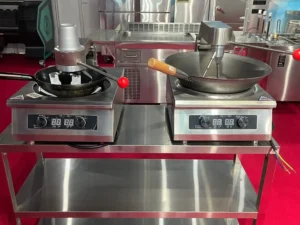
Countertop Equipment
Countertop models are suitable for kitchens with limited space and smaller batch requirements. Public supplier listings commonly show sizes such as 4 L and 6 L. However, the nominal vessel volume should not be treated as the actual output weight.
Fried rice, noodles, vegetables and sauces require different loading ratios. The usable batch weight will change according to the ingredients and cooking method.
The main advantages are compact installation and easier deployment. Before purchasing, confirm the recommended loading weight, maximum continuous operating time, cleaning access around the wok and mixer, and whether food can remain in difficult-to-reach areas.
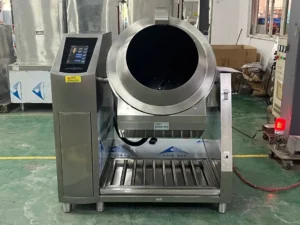
Floor-Standing Commercial Equipment
Floor-standing equipment is generally used in higher-capacity commercial kitchens. Public product information shows capacities such as 12 L, 40 L, 50 L, 60 L and 70 L. Some food-processing systems list effective capacities of 133 L, 200 L, 260 L, 300 L or more.
As capacity increases, the site requirements become more demanding. Electrical supply, exhaust, delivery access, operating space, floor loading and cleaning procedures should all be confirmed before ordering.
These machines may be used for fried rice, noodles, vegetables, pre-cooked meat, sauces and other batch-cooking tasks. If a restaurant only needs one or two batches during peak periods, an oversized unit may increase purchasing, energy and cleaning costs without improving the workflow.
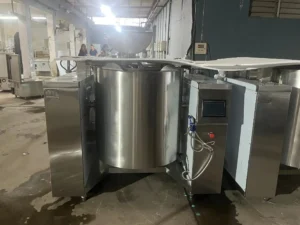
Planetary Mixing Cookers
Planetary mixing cookers are more commonly used for viscous materials or products that require continuous bottom scraping and even heating. Examples include jam, bean paste, coconut filling, seasonings, fillings and meat products.
Larger industrial automatic wok machine configurations may also be used for batch processing of these materials. Their performance depends heavily on the mixer design, scraper structure, vessel material, product viscosity and hygiene requirements.
Restaurant cooking applications usually place more emphasis on service speed, menu changes and operator convenience. Food-processing applications may place more emphasis on mixing coverage, viscosity handling and long operating cycles.
Electric, Induction and Gas Heating
The heating method should be selected according to the site conditions and menu requirements.
- Electric heating: Often provides a relatively straightforward installation and supports standardized control. The rated power, voltage and circuit capacity must be verified.
- Induction heating: Usually provides a fast response and stable control. Actual energy performance depends on the vessel, load, cookware compatibility and operating method. If you are also evaluating equipment supplied by ATRX, the induction wok option can be included in the same comparison.
- Gas heating: Can suit applications requiring a high heat load. The gas type, connection, ventilation, exhaust and local safety requirements must be checked.
A higher power rating does not automatically mean better performance. Vessel capacity, ingredient moisture, batch weight, preheating time and production frequency all affect the final result.
How to Choose the Right Equipment for Your Kitchen
Start with the production requirement. Organize the menu, batch weight and peak-hour output before comparing equipment specifications. This makes supplier communication more precise.
Select Capacity According to Batch Weight and Peak Output
Capacity should be based on the amount of food processed per batch and the number of batches required during the busiest period.
Prepare the following information:
- Target ingredient weight per batch.
- Total time from loading to unloading.
- Required batches per hour during peak production.
- Labor time required for loading, unloading, cleaning and changeover.
Public product information may show 4 L, 6 L or approximately 0.5–3.5 kg per batch. Commercial systems may range from 12 L to several hundred liters. Suppliers do not always define capacity in the same way. Some list the total vessel volume, while others list the effective working volume or recommended loading weight.
Check Power, Voltage, Phase and Heating Method
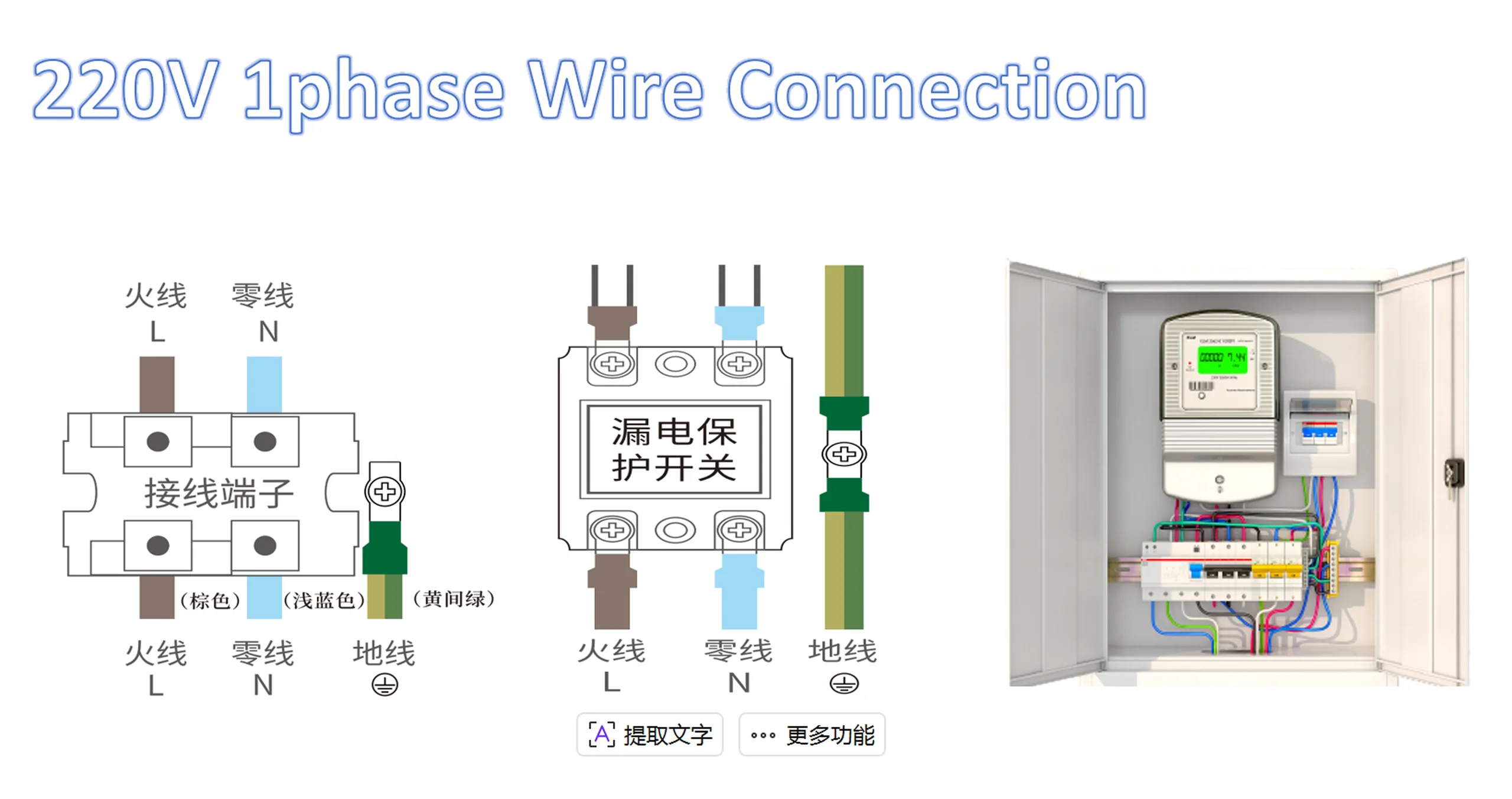
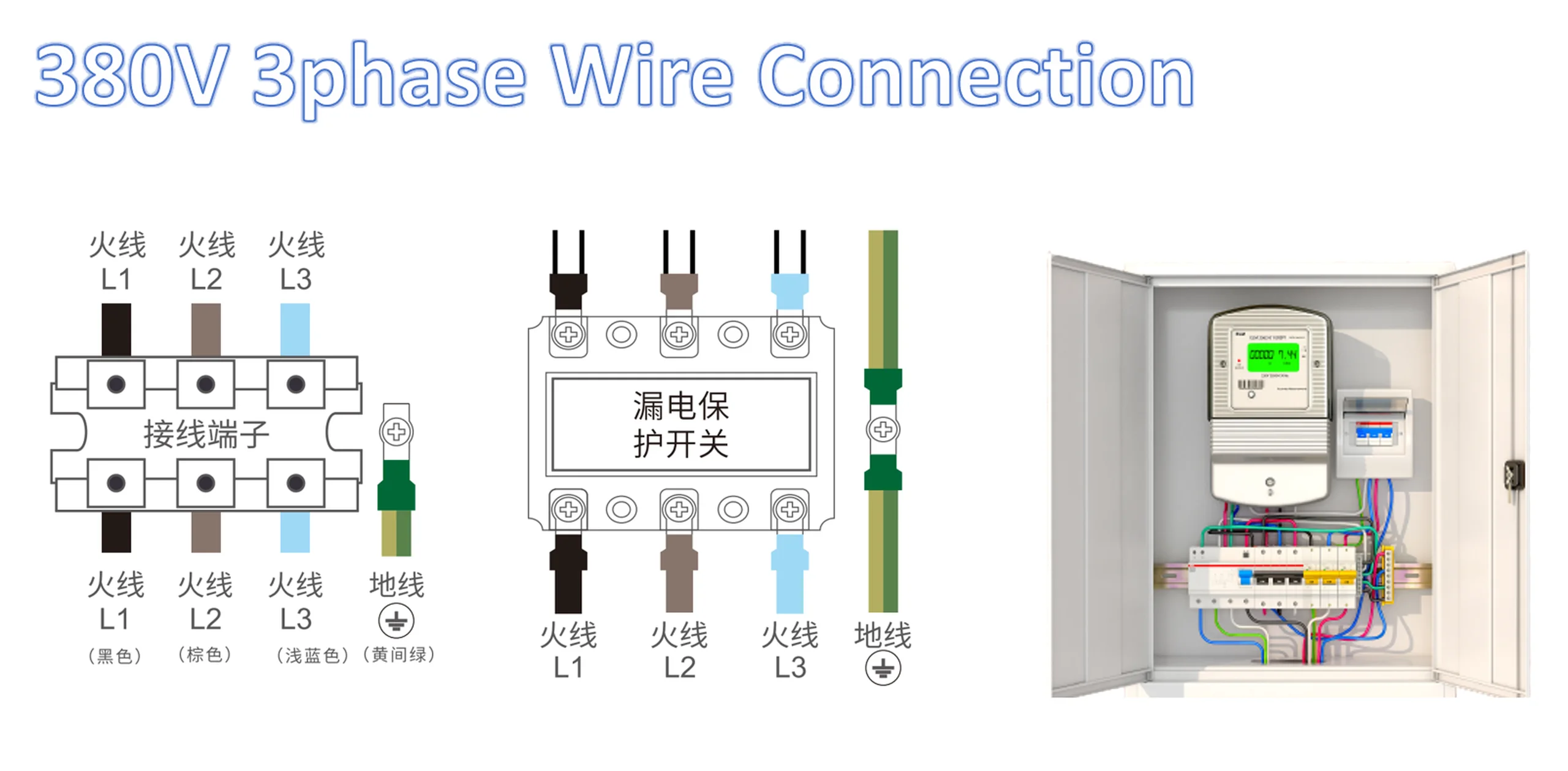
Utility conditions must be confirmed before the equipment enters the kitchen. Smaller units may use 220 V single-phase power. Higher-capacity equipment may require 380 V or 380–440 V three-phase power.
Public product specifications may show power ratings such as 5 kW, 8 kW, 12 kW, 15 kW and 20 kW or more. These figures should always be compared with the equipment capacity, loading weight and production task.
| Check Item | What to Confirm with the Supplier | Common Mistake |
|---|---|---|
| Rated power | Full-load power, preheating power and whether a dedicated circuit is required | Looking only at peak power without checking site capacity |
| Voltage and phase | 220 V or 380 V, single-phase or three-phase, plug connection or hardwiring | Discovering after purchase that the site cannot support installation |
| Heating method | Actual electric, induction or gas configuration | Choosing only according to heating speed |
| Exhaust and ventilation | Oil smoke, steam, heat output and required ventilation or exhaust system | Calculating equipment dimensions without considering exhaust requirements |
| Energy data | Test conditions, reference equipment, load and calculation method | Treating promotional figures as guaranteed savings |
Some suppliers publish claims such as 95% energy utilization, 35% energy savings or 52–68% lower costs than gas equipment. These figures can help buyers ask better questions, but they should not be applied to every kitchen without verification.
Before making a decision, confirm the test conditions, reference equipment, ingredients, load rate, operating cycle and calculation method.
Evaluate the Vessel, Material and Durability
Vessel diameter, depth and effective volume determine how much food can be processed safely. For high-frequency commercial use, also check the food-contact material, heat resistance, scratch risk, coating wear and access for servicing.
Common vessel materials include 304 stainless steel, cast iron and non-stick coated surfaces.
- Stainless steel: Often selected for durability, hygiene and easier inspection.
- Cast iron: Provides strong heat retention but may increase equipment weight.
- Non-stick coating: Can simplify release and cleaning, but requires suitable tools and cleaning procedures.
For viscous products, bottom-scraping performance and mixer strength may be more important than the nominal power rating.
Compare Controls, Recipe Programs and the Automation Boundary
Automation should be reviewed function by function. Ask whether the equipment:
- Supports automatic stirring, rotation or wok tilting.
- Allows time, temperature or power adjustment.
- Provides several power or stirring-speed levels.
- Stores preset menus.
- Allows recipe steps to be edited.
- Stores multiple programs.
- Automates loading, seasoning, unloading or cleaning.
Some machines support eight or more editable recipes, while others mainly provide timer and power controls. For chain kitchens, the number of stored programs is only one factor.
The more important question is whether the machine can consistently reproduce the loading weight, cooking time, power level and stirring rhythm across different shifts or locations.
Match the Equipment to the Menu
Automatic wok equipment may be used for fried rice, noodles, vegetables, meat, sauces, soup bases, roasted nuts and selected viscous products. Actual suitability depends on the vessel structure, heating system, mixer and control method.
A supplier description that only says “multi-function” does not prove that the equipment will work for your menu. Provide the following details during the inquiry:
- Ingredient moisture content.
- Oil or fat ratio.
- Product viscosity.
- Batch weight.
- Whether continuous stirring or wok movement is required.
- Whether long simmering is required.
- Whether the product needs holding or heat preservation.
For example, an automatic wok machine for restaurants should be tested against the actual dishes and production rhythm of the restaurant. The equipment name alone is not enough to confirm menu compatibility.
How Does It Compare with Other Cooking Equipment?
Automatic wok equipment, traditional gas woks, electric frying pans and cooking robots support different working methods. Some suppliers may also use the term automatic stir fry machine for similar equipment, so the actual functions should be checked before comparison.
| Comparison Point | Automatic Wok Equipment | Traditional Gas Wok | Electric Frying Pan | Cooking Robot |
|---|---|---|---|---|
| Automatic stirring | Supported by many models | Usually manual | Supported by some models | Usually supported |
| Batch handling | Usually medium to large batches | Flexible and dependent on the chef | Often small to medium batches | Depends on the model |
| Heat consistency | Easier to standardize | Highly dependent on chef experience | Provides some control | Usually depends on programs and recipes |
| Labor dependence | Reduced, but operators are still required | High | Medium | Reduced, but strongly dependent on programming |
| Exhaust requirement | Depends on the heating method and menu | Usually high | May be lower | Depends on the structure and heating method |
| Best suited for | Batch production, consistency and process control | Chef-led cooking and frequent adjustments | Small kitchens and lighter cooking needs | More complete digital and recipe-based workflows |
Traditional gas woks offer flexibility for chefs who adjust the heat and cooking movement continuously. Automatic equipment is more suitable when the menu is repetitive and the cooking process can be clearly defined.
Standard household electric cookware usually cannot replace commercial equipment. Continuous operating capacity, batch size, control logic, hygiene design and service requirements are different.
Cooking robots may depend more heavily on software, recipes and digital controls. Planetary mixing cookers are generally more focused on viscous food processing. The correct comparison begins with the task that the equipment must perform.
How to Use the Equipment for Consistent Results
Output consistency depends on both the machine settings and the operating procedure. When preparation, loading and recipes remain stable, the programmed process becomes easier to reproduce.
Standardize Ingredients and Recipes First
Create a batch record for every core menu item. Include:
- Ingredient names and weights.
- Cutting and preparation specifications.
- Seasoning ratios.
- Loading sequence.
- Heating time and power.
- Stirring speed or wok movement.
- Unloading time.
- Quality-check results after cooking.
The same record helps new operators learn the process and allows chain locations to manage recipe versions. Key parameters should be controlled by an assigned manager to reduce unnecessary variation between locations.
Set Time, Temperature and Power According to the Ingredients
Fried rice, vegetables, meat, sauces and viscous products do not heat in the same way. Ingredients with high moisture may require a longer evaporation stage. Viscous sauces need stable stirring. Meat requires a balance between even heating and cooking time.
If the equipment provides several power or stirring-speed levels, conduct small-batch testing before daily production. Vessel size, loading weight, utility conditions and ingredient quality can all affect the result.
Use Preset Menus for Verified Processes
An automatic wok machine with preset recipes can store tested cooking procedures, reduce operator training requirements and support consistent output across chain locations.
Each program should be tested before it is used in routine production. A useful preset recipe should record:
- Ingredient weight.
- Loading steps.
- Heating time.
- Power level or temperature.
- Stirring speed.
- Total cooking time.
- Unloading requirements.
The more specific the recipe record, the easier it is to hand over between shifts and locations.
Manage Loading, Unloading and Batch Intervals
The machine may support stirring or wok movement, but loading, seasoning and unloading may still be manual. Confirm the division of work before purchasing and include the actual labor time in the staffing plan.
Some product descriptions mention figures such as 0.5–3.5 kg per batch or 3.5 kg in 10 minutes. These figures should be interpreted together with the dish, loading weight, preheating condition and complete production cycle.
A complete cycle includes loading, cooking, unloading, cleaning and preparation for the next batch. Cooking time alone should not be used to calculate daily capacity.
Installation, Safety, Cleaning and Maintenance
Successful installation and long-term operation depend on site conditions, hygiene procedures and after-sales support. These points should be confirmed during the quotation stage.
Confirm Site Conditions Before Installation
Ask the supplier for complete drawings, installation instructions and utility requirements. Check the following items:
- Equipment dimensions, operating space and service space.
- Door width, elevator capacity, access routes and lifting requirements.
- Voltage, phase, circuit capacity and whether a dedicated circuit is required.
- Gas type, connection and safety requirements for gas-heated models.
- Exhaust, ventilation, heat dissipation and steam discharge.
- Water supply, drainage and spray-cleaning connections.
- Floor loading, drainage slope and fixing method.
Early confirmation can reduce modification work and downtime after delivery.
Verify Safety Functions
Safety and certification requirements vary by market and project. The supplier’s safety information should be specific. Confirm:
- Emergency-stop location and operating method.
- Overheat, overload and leakage protection.
- Cover, guard or splash-protection structure.
- Burn protection and abnormal-shutdown logic.
- Electrical safety documents and applicable certifications.
- Installation, operating and troubleshooting manuals.
- Operator training arrangements.
High temperatures, grease and repeated operation create a demanding working environment. Training and practical standard operating procedures should be evaluated together with the hardware safety features.
Cleaning Procedures Affect the Next Batch
Cleaning affects hygiene, flavor transfer, vessel life and equipment availability. After each batch, remove food residue first. Allow the vessel to reach a safe temperature before cleaning it according to the equipment instructions.
Confirm:
- Whether the spray-cleaning system is standard equipment.
- How to clean the grease tray, mixer and bottom areas.
- Which parts can be removed for washing.
- Whether high-pressure water or commercial dishwashing is permitted.
- Which cleaning tools are suitable for non-stick surfaces.
- How to confirm that no residue remains before the next product.
Evaluate Maintenance and Spare Parts
Maintenance planning should cover the mixer, seals, heating components, controller, motor, inverter and sensors. Also check the availability, price and lead time of wearing parts.
| Maintenance Frequency | Recommended Checks |
|---|---|
| Daily | Remove food residue and grease; inspect the vessel and mixer; check unusual noise; confirm that safety devices work. |
| Weekly | Inspect fasteners, seals, drainage and cleaning components; verify that commonly used programs operate correctly. |
| Monthly | Check electrical connections, transmission parts, heating condition and wearing-part deterioration; record fault codes. |
| According to the supplier manual | Complete lubrication, calibration, deep cleaning and service work that requires trained personnel. |
During the inquiry, confirm spare-parts stock, remote technical support, whether labor and transportation are included in the warranty, and the geographic coverage of field service.
How to Evaluate Energy Use, Labor Savings and ROI
Energy savings and labor reduction are common reasons for purchasing automated cooking equipment. The return should be calculated from the kitchen’s own production data. Supplier claims can help define the questions, but they cannot replace an operating test.
Total cost should include:
- Equipment purchase price.
- Transportation and installation.
- Utility and energy costs.
- Daily operating hours.
- Labor time involved in each batch.
- Cleaning and maintenance expenses.
- Downtime risk.
- Expected service life.
The basic payback calculation is:
Estimated payback period = Total initial investment ÷ Verified monthly net savings
Total initial investment may include equipment, installation and utility modifications.
Monthly net savings should include changes in labor, overtime, rework, product variation, training time and peak-period staffing pressure. Additional electricity, maintenance, consumables and operator time should also be deducted.
| Cost or Benefit Item | Data to Record | Evaluation Note |
|---|---|---|
| Equipment investment | Equipment, transport, installation and site modifications | Include electrical, exhaust, water and drainage work where applicable |
| Labor change | Labor minutes per batch, staffing level and labor cost | Compare the complete workflow rather than stirring time alone |
| Energy use | Electricity or gas consumption per batch or per day | Compare similar menus and production volumes |
| Quality and waste | Rework, scorching, loading errors and discarded product | Some benefits may not appear directly in the payroll calculation |
| Maintenance cost | Wearing parts, service, downtime and technical support | Confirm long-term support capability with the supplier |
When verified operating data is unavailable, avoid promising a fixed savings percentage or payback period. A more reliable approach is to ask the supplier to test the target menu and then calculate the result from batch time, energy use and labor requirements.
Where to Buy and How to Evaluate Suppliers
The right purchasing channel depends on the project. Small units can be compared through e-commerce or distributor channels. Restaurant, central-kitchen and food-processing projects may require installation, customization, commissioning and after-sales support.
For larger projects or OEM and ODM requirements, direct communication with a manufacturer may be more efficient. When working with ATRX or another commercial induction cooker manufacturer, provide the target menu, batch weight, peak output and site utility information at the beginning of the discussion.
Choose a Supplier According to the Project
| Supplier Type | Suitable Requirement | Additional Points to Check |
|---|---|---|
| E-commerce or retail platform | Small equipment, quick comparison and standard products | Specification completeness, after-sales depth, spare parts and installation support |
| Commercial kitchen equipment supplier | Restaurants, canteens and central-kitchen projects | Site assessment, installation, commissioning, training and service coverage |
| Direct factory supplier | Large equipment, customized configurations and OEM/ODM projects | Quality verification, certification documents, lead time, after-sales service and inspection arrangements |
| Food-processing equipment manufacturer | Large-volume or high-viscosity processing | Whether the equipment suits restaurant cooking menus or mainly targets industrial processing materials |
What Information Should You Provide When Requesting a Quote?
Prepare the following information before the first inquiry. It helps the supplier provide a configuration proposal rather than a generic product description:
- Main dishes or material types.
- Ingredient weight per batch and target output.
- Required batches per hour or per day.
- Site voltage, phase and gas availability.
- Available installation space, door width and exhaust conditions.
- Required recipe presets, automatic stirring, wok tilting or spray cleaning.
- Target delivery schedule and destination.
- Whether installation, training, spare parts or remote support is required.
Use a Checklist to Verify the Supplier
Before selecting a supplier, confirm:
- Whether complete specifications and installation manuals are available.
- Whether the supplier can provide a real operating video.
- Whether the supplier can explain suitability for the target menu.
- Whether verifiable customer references or inspection arrangements are available.
- Whether the warranty scope, spare-parts policy and service response are clearly stated.
- Whether applicable certification and compliance documents can be provided.
- Whether transportation, installation, commissioning and training costs are itemized.
- Whether third-party inspection is supported.
- Whether delivery time, payment terms and service boundaries are included in the quotation.
What Should a Comparable Quotation Include?
A quotation that supports a real purchasing decision should clearly list:
- Equipment model and main unit.
- Control system, vessel, mixer and standard accessories.
- Optional configurations and spare-parts packages.
- Packaging, transportation and insurance.
- Installation, commissioning and training.
- Taxes and possible additional charges.
- Warranty scope, service response and spare-parts policy.
- Delivery schedule and payment terms.
For large commercial kitchen projects, equipment specifications, site conditions and service responsibilities should be written into an executable document. The fewer configuration gaps there are, the easier delivery and commissioning will be.
For additional commercial induction purchasing considerations, see the Foodservice Equipment Journal buyers’ guide to induction cooking equipment.
Frequently Asked Questions
Is an Electric Wok Worth Buying?
It depends on the application. For home or light cooking, users may focus on ease of operation, footprint and cleaning. Restaurants and central kitchens that require automatic stirring, batch production, continuous operation and standardized processes should compare commercial capacity, power, controls, cleaning design and service support.
What Is the Best Automatic Cooking Machine for Home Use?
Home-use equipment should be evaluated according to capacity, footprint, cleaning, power and safety. Large commercial automatic wok equipment is designed for batch production and continuous operation, so it should be assessed using a different set of requirements.
Which Cooking Robot Is the Best?
No single machine suits every application. Restaurants, central kitchens, food processors and households have different requirements for capacity, automation, menu flexibility, cleaning and budget.
First define whether the equipment needs to stir-fry, simmer, mix, manage recipes or process large batches. Then compare specific models according to that task.
What Should I Look for When Buying an Electric Wok?
Focus on temperature control, vessel material, capacity, power, safety, cleaning and after-sales support. For commercial cooking and standardized output, also confirm continuous operating capability, actual loading weight, program control and installation conditions.
Define the Production Task Before Choosing the Equipment
Automatic wok equipment can make repetitive cooking processes more consistent. Selection should begin with the real menu, batch weight, production rhythm and site utility conditions. Vessel design, control method, cleaning, installation, maintenance and service should follow from those requirements.
Prepare a requirements list covering the target dishes, batch weight, peak output, electrical or gas conditions, installation space and required automation functions. Ask suppliers for a configuration recommendation, a complete quotation and a demonstration using the target menu. This gives a more useful basis for decision-making than comparing product images, power ratings or the lowest purchase price alone.
About the author

ATRX Team| 18 Years Commercial
Induction Cooker Manufacturer in China
Induction Cooker Manufacturer in China
Related Posts
How to Install a Built-In Induction Cooktop: A Step-by-Step Guide
09/17/2026
How to Clean a Commercial Deep Fryer: A Step-by-Step Guide
09/13/2026
High Quality Commercial Induction Cooker Manufacturer
09/09/2026
Automatic Wok Machine: Types, Specifications, Applications and Buying Guide
08/18/2026
What Is a Commercial Induction Cooker and How Does It Work
08/13/2026
Commercial Induction Range for Hotel Kitchens: How to Choose the Right Model
08/11/2026
China Commercial Induction Cooker Manufacturer
08/09/2026
10 Best Commercial Induction Cooker Manufacturers & Supplier Selection Guide [2026]
08/07/2026
Tilting Skillet & Bratt Pan: How to Choose the Right One for Your Commercial Kitchen
08/06/2026

Commercial Induction Cooker for School Cafeteria: How to Pick the Right High-Power Unit
08/04/2026