

High Quality Commercial Induction Built in Cooker | ATRX
05/12/2026
Estimated reading time: 2 minutes

You already know what you need — a high quality commercial induction built in cooker that mounts flush into your kitchen countertop and runs reliably for years. This page skips the basics and goes straight into product performance, available specifications, and what ATRX delivers as a commercial induction built-in cooker manufacturer. Just keep reading.
IN THIS ARTICLE
Core Performance of a High-Quality Built-in Induction Cooktop
Once a built-in induction cooker for commercial kitchen use is installed into your countertop, the cost of repair or replacement is far higher than with a freestanding unit. Once it’s in, you don’t want to rip it out six months later. In the built-in category, “high quality” isn’t a bonus — it’s the baseline.
The following three areas determine whether a built-in induction cooktop can operate reliably over the long term in a commercial kitchen.
The Power Core of a Built-in Induction Cooktop: Infineon IGBT Modules
The IGBT module handles power conversion and output for the induction cooktop. Its quality directly determines heating stability and equipment lifespan.
All ATRX built-in induction cooktops use German-engineered Infineon IGBT modules paired with our proprietary PCB mainboard. What does this combination mean in real-world use? Let’s break it down from a working-principle perspective.
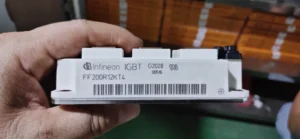
During operation, the IGBT must continuously withstand high voltage under high-frequency switching. According to Toshiba Semiconductor’s technical documentation, in a 220V supply environment, IGBT peak voltages in commercial induction cooktops typically range from 1,350V to 1,800V. If the power grid fluctuates — and in many countries, fluctuations can reach 20% — a low-spec IGBT module risks damage from instantaneous overvoltage.
The Key to Built-in Installation: Commercial-Grade Glass-Ceramic Panels
A built-in induction cooktop’s panel sits flush with the countertop. In daily use, it takes on more direct stress than a freestanding unit — cookware sliding across from the counter surface, heavy objects resting on it, and prolonged contact with high-temperature grease. Panel durability is magnified in the built-in context.
The commercial-grade glass-ceramic panels used in ATRX built-in induction cooktops have the following core specifications:
| Specification | Value | Why It Matters |
|---|---|---|
| Thickness | 4–6mm | Without a protective frame after flush mounting, the panel itself must be thick enough to resist impact |
| Heat Resistance | 700°C | Prolonged high-power operation in commercial kitchens pushes surface temperatures far beyond residential levels |
| Load Capacity | 125KG | A large stockpot filled with water can weigh 50–80KG; the panel needs ample margin |
How is the 700°C heat resistance figure derived? The actual surface temperature of an induction cooktop panel typically doesn’t reach 700°C. However, the heat resistance rating for glass-ceramic measures thermal shock tolerance — the ability to withstand rapid temperature swings from high heat to room temperature without cracking.
In a commercial kitchen, chefs place a cold pan on a hot panel surface, or remove a hot pan and immediately wipe with a wet cloth. These thermal shock events happen daily. A 700°C thermal shock rating covers these extreme scenarios. (The 700°C heat resistance rating for glass-ceramic panels is an industry-standard benchmark; leading global panel manufacturer EuroKera provides detailed information on this.)
Models and Specifications for Built-in Induction Cooktops
Once performance is verified, the next step is choosing the right model. Since built-in induction cooktops require countertop cutouts, the cost of swapping them out is high. Spending a few extra minutes on model selection is well worth it.
Number of Burners: Choosing from Single to Multi-Burner Configurations
| Burner Count | Suitable Scenarios | Reference Criteria |
|---|---|---|
| Single burner | Small restaurants, food stalls, beverage shop kitchens | Up to 200 servings/day; limited counter space |
| Dual burner | Mid-sized restaurants, fast-food chains | 200–500 servings/day; need to run two processes simultaneously |
| Four burners | Hotel kitchens, catering centers | 500–1,000 servings/day; multiple parallel workstations |
| Six/Eight burners | Central kitchens, large canteens | 1,000+ servings/day; assembly-line production |
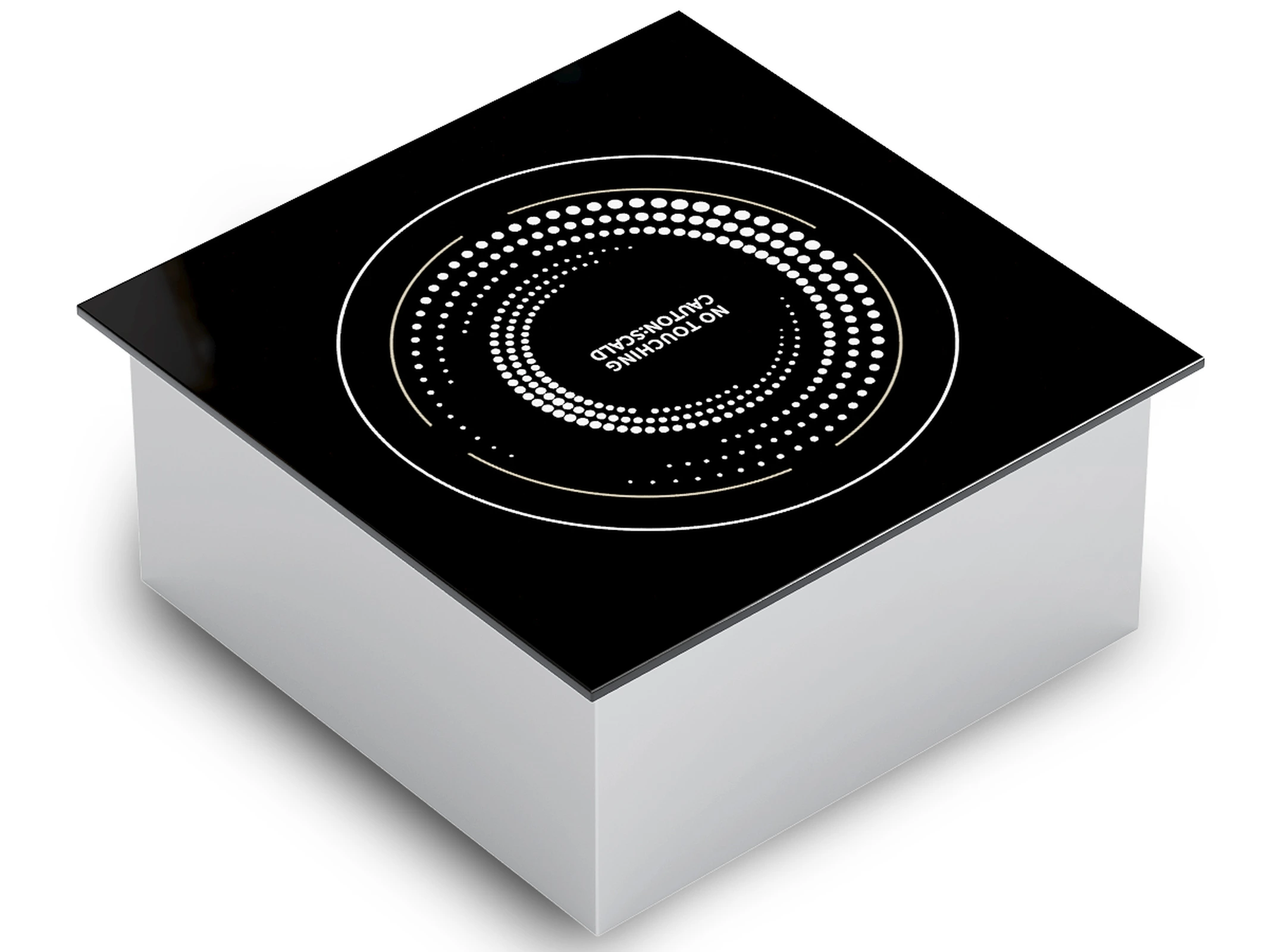
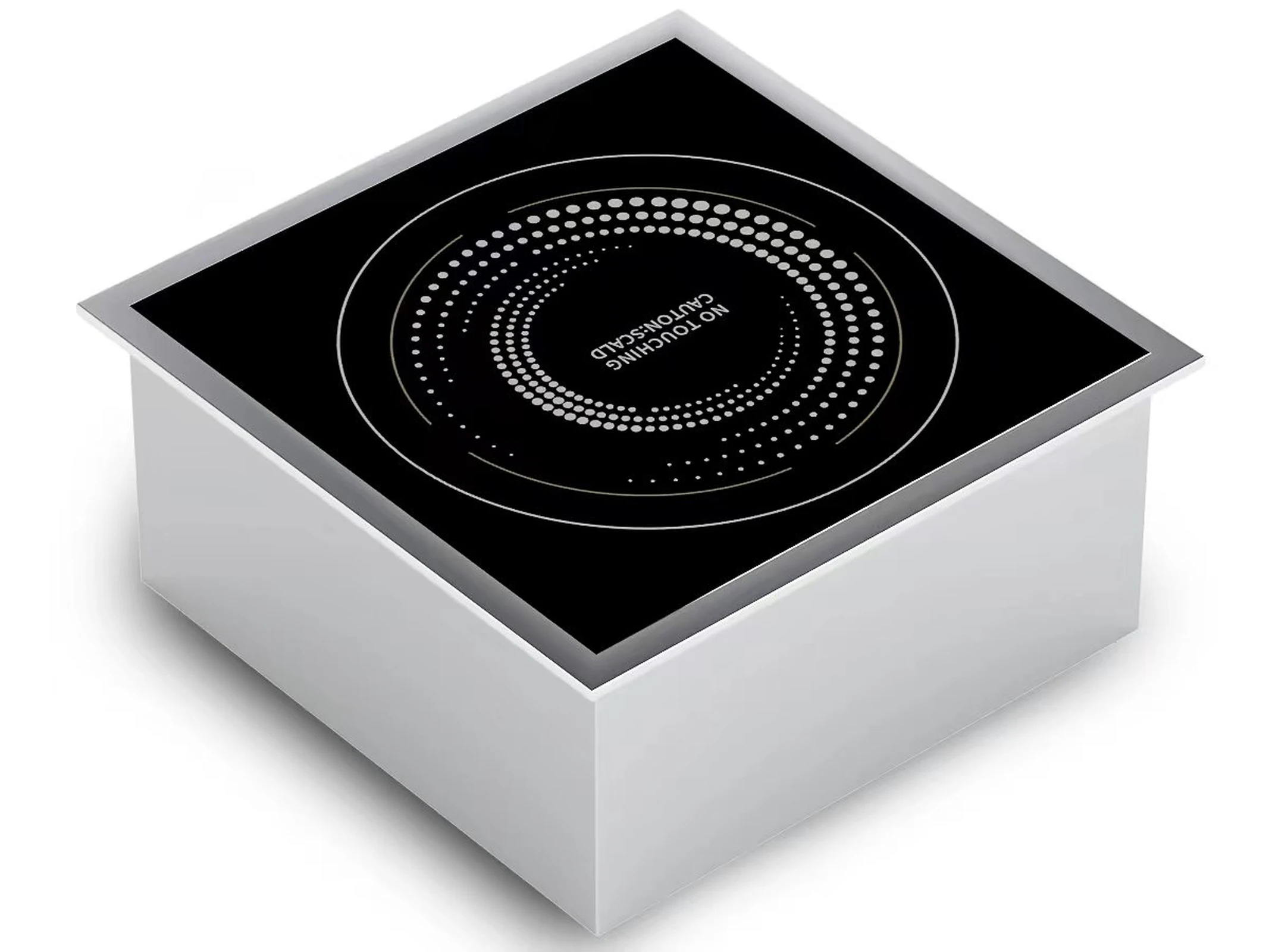
There’s a special consideration with built-in installation: the more burners, the larger the countertop cutout area, and the higher the structural strength requirements for the countertop. Before choosing a six- or eight-burner configuration, confirm whether your countertop material and thickness can support it.
If you’re unsure, send us your countertop material specifications and our engineering team can help you evaluate.
Power and Voltage: Matching Your Kitchen Circuit and Target Market
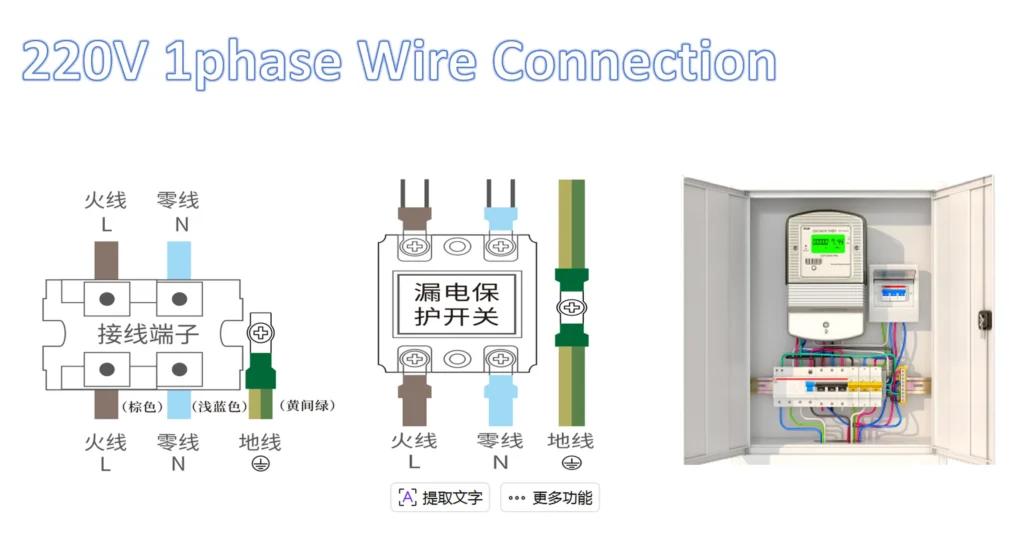
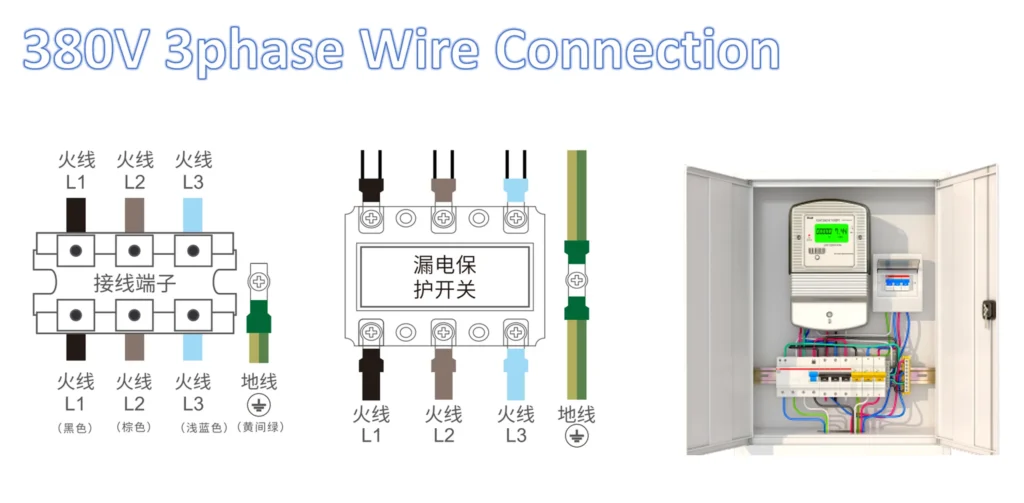
Our power range covers 3,500W to 5,000W and above, supporting both 220V and 380V electrical systems.
Electrical planning for built-in equipment is one step more complex than for freestanding units. A freestanding unit plugs in and runs. A built-in unit doesn’t work that way — it requires a dedicated junction box pre-installed beneath the countertop, with power cables routed through concealed conduit rather than exposed wiring. The electrical layout must be planned before installation.
Export clients should also note the voltage standards in their target market. Most European countries use 230V/50Hz, while standards across the Middle East and Southeast Asia vary considerably. Simply specify your target market when ordering, and we’ll match the corresponding voltage version.
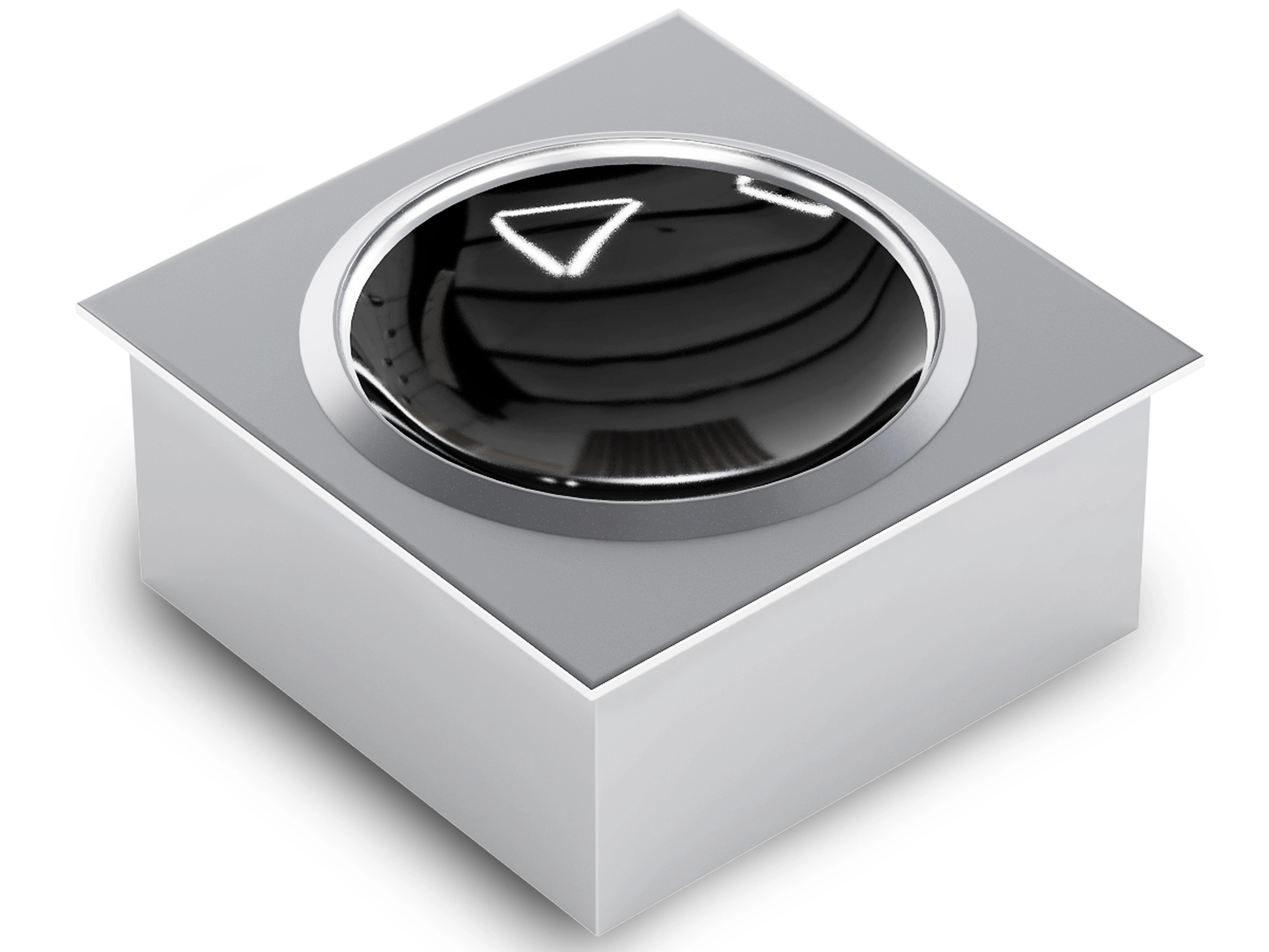
Flat Cooktop vs. Concave Wok Burner: Choose by Cuisine Requirements
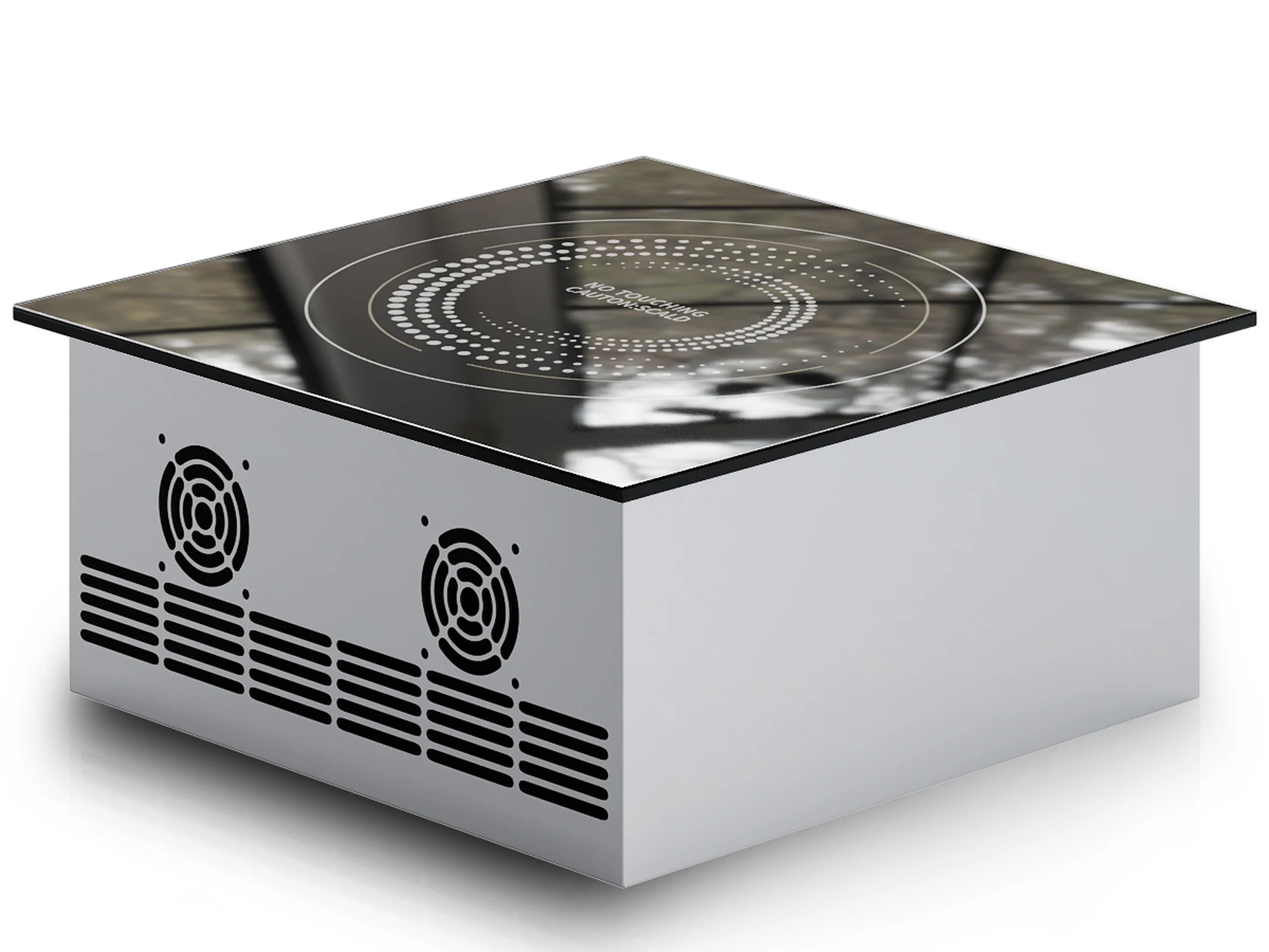
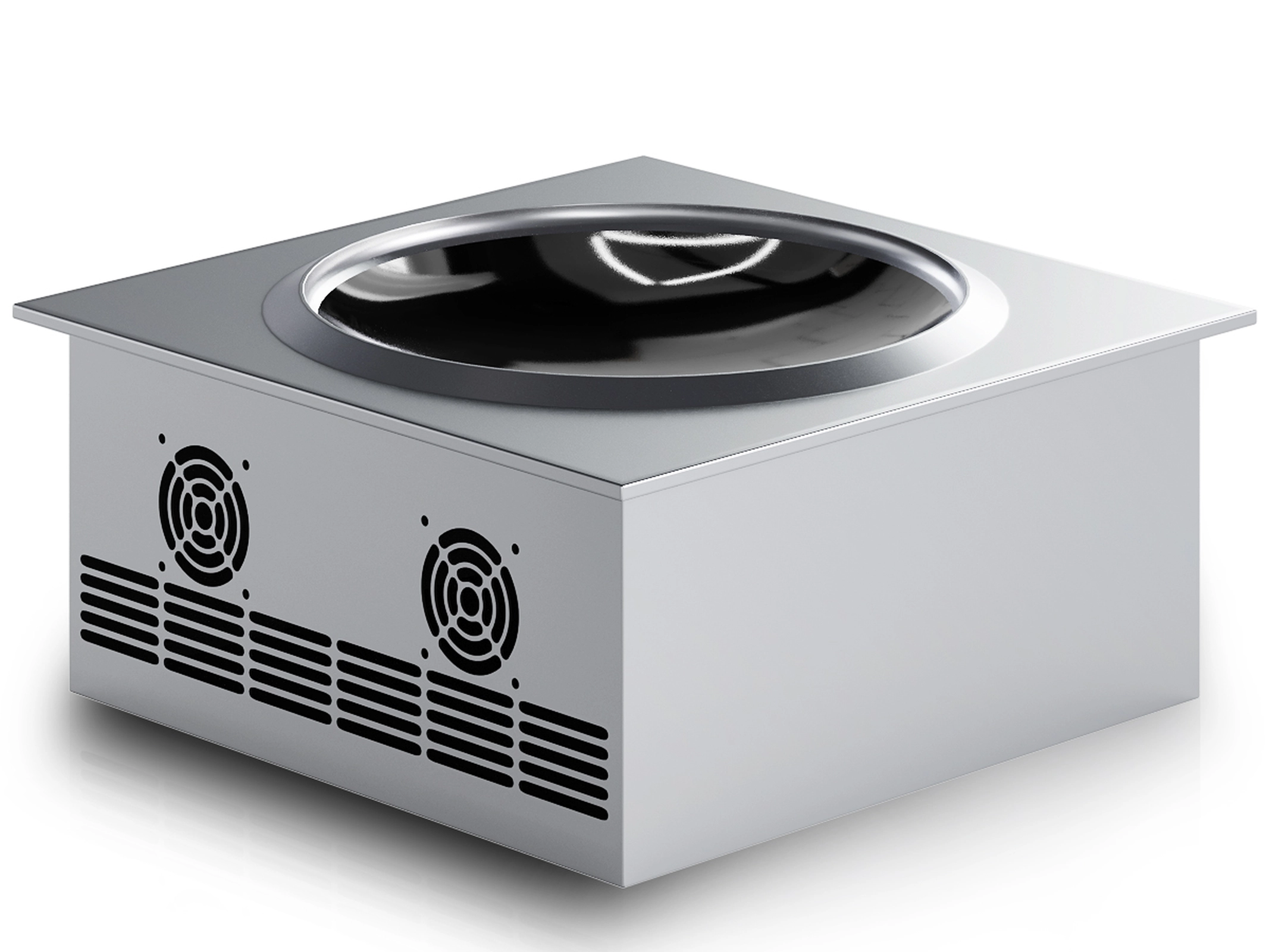
These two burner types differ not only in cooking method but also in cutout specifications for built-in installation:
Flat cooktop: Requires a standard rectangular cutout compatible with the vast majority of countertops. Ideal for Western-style searing, simmering, and braising, as well as Southeast Asian soups and curry cooking. The pot bottom makes full contact with the panel surface for even heating. This type is also commonly referred to as a commercial drop-in induction cooktop because it simply drops into the countertop opening.
Concave wok burner: Requires a circular recessed cutout, needing greater depth clearance in the countertop. Designed specifically for Chinese-style high-heat stir-frying — the wok nests into the concave surface for concentrated heat, and the wok stays stable during tossing.
If your kitchen handles both Western and Asian cuisines, you can mix both burner types on the same countertop. Plan cutout positions and spacing in advance, and neither integration nor usability will be compromised after installation.
Why Choose ATRX as Your Built-in Induction Cooktop Supplier
Choosing a commercial built-in induction cooktop supplier demands more caution than choosing one for freestanding units. Because the product is installed into your countertop for long-term use, a problem isn’t as simple as swapping out a machine — it involves disassembly, operational downtime, and potentially re-cutting the countertop. You need a manufacturer with sufficient depth in this category.
A Source Factory Specializing in the Built-in Category
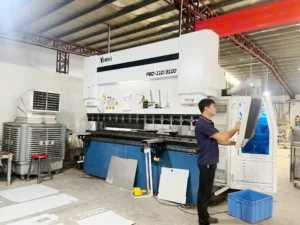
ATRX is a source factory with years of manufacturing experience, and the commercial built-in induction cooker is one of our core product lines. Our own R&D team, our own production lines, our own quality control systems — from IGBT selection to final assembly to cutout dimension verification, the entire process is completed in our own facility.
For built-in products, factory-controlled production means one very specific thing: the dimensional tolerance of every unit’s outer frame stays within a controlled range. Built-in installation demands far higher dimensional precision than freestanding units — even a 2mm deviation means the unit either won’t fit into the countertop or leaves a visible gap at the edges. This level of precision must be managed at the production end.
Full International Certifications for Hassle-Free Customs Clearance and Acceptance
ATRX built-in induction cooktops have passed CE, ISO, CCC, and other international certifications.
For B2B procurement, certifications solve two practical problems. First, customs clearance in your target market requires the corresponding safety certification documents — without them, the goods don’t enter. Second, built-in equipment is classified as permanently installed electrical appliances, unlike movable freestanding units.
In many countries and regions, property management authorities and fire departments have separate acceptance standards for permanently installed kitchen equipment, requiring equipment certification certificates before approving the installation. In other words, a freestanding unit without certification might still get used; a built-in unit without certification might not even get installed.
OEM and ODM Customization for Built-in Induction Cooktops
If you have your own brand, you don’t just need a relabeled machine — you need a built-in product tailored from dimensions to functionality for your market.
ATRX-supported customization dimensions for built-in products include: logo silk-screening or laser engraving, outer frame size adjustment (to match standard countertop cutouts in different markets), power and feature customization, control panel language switching, and private-label packaging design.
Built-in products have one special customization requirement — any adjustment to the outer frame dimensions must be accompanied by updated installation cutout drawings. Otherwise, the client receives the unit and can’t install it. Our R&D team delivers corresponding technical installation drawings alongside every customized product.
From requirement confirmation to sample production, turnaround is typically completed within a short timeframe. Mass production delivery depends on order volume, with standard orders shipping promptly. Minimum order quantities apply and are confirmed during discussion.
If you’re interested in these built-in cooktops after reading this far, you can view the full range of ATRX built-in induction cooktop models, power ratings, and cutout dimensions on our OEM built-in induction cooktop product page.
Common Questions People Ask
Q1: What are the countertop cutout size requirements for a built-in induction cooktop? If my countertop is already cut, can it still fit?
Cutout sizes vary by model — there is no universal standard. If your countertop already has a cutout, you’ll need to provide the length, width, and depth dimensions first, and we’ll check whether an existing model fits directly. If the difference is within a reasonable range, it can also be resolved by adjusting the outer frame.
We recommend sending your cutout dimensions and countertop thickness together before ordering, to avoid a unit that won’t fit upon arrival.
Q2: For a first-time purchase of built-in induction cooktops, what’s the typical MOQ for an OEM order? Can I get samples first?
The MOQ depends on the level of customization. If it’s logo-only, the MOQ is relatively low. If it involves outer frame dimensions, power ratings, or control panel language customization, the MOQ increases accordingly.
Samples can be produced first. We support providing 1–2 built-in sample units before mass production so you can conduct actual installation testing. Confirm cutout compatibility and performance, then proceed with the bulk order. Specific quantities and costs are confirmed during discussion.
Q3: How long does a commercial built-in induction cooktop last? What about the warranty?
Under normal commercial use (8–10 hours per day), a built-in induction cooktop typically has a whole-unit lifespan of 10 to 15 years. The key variables are the IGBT module and cooling system quality. ATRX provides a full-unit warranty, covering non-human-caused damage with free repair or replacement during the warranty period.
Repairing built-in equipment is more involved than freestanding units — the entire unit must be removed from the countertop. Choosing a unit with proven quality and a sufficiently long warranty matters far more than saving a few dollars upfront.
About the author
ATRX Team| 18 Years Commercial
Induction Cooker Manufacturer in China
Induction Cooker Manufacturer in China
Related Posts
Commercial Induction Cooker 3500W: Model Selection, Commercial Power and Installation
09/29/2026
How to Install a Built-In Induction Cooktop: A Step-by-Step Guide
09/17/2026
How to Clean a Commercial Deep Fryer: A Step-by-Step Guide
09/13/2026
High Quality Commercial Induction Cooker Manufacturer
09/09/2026
Automatic Wok Machine: Types, Specifications, Applications and Buying Guide
08/18/2026
Commercial Induction Range: How to Choose the Right Size, Power, and Configuration for a Commercial Kitchen
08/15/2026
What Is a Commercial Induction Cooker and How Does It Work
08/13/2026
Commercial Induction Range for Hotel Kitchens: How to Choose the Right Model
08/11/2026
China Commercial Induction Cooker Manufacturer
08/09/2026
10 Best Commercial Induction Cooker Manufacturers & Supplier Selection Guide [2026]
08/07/2026