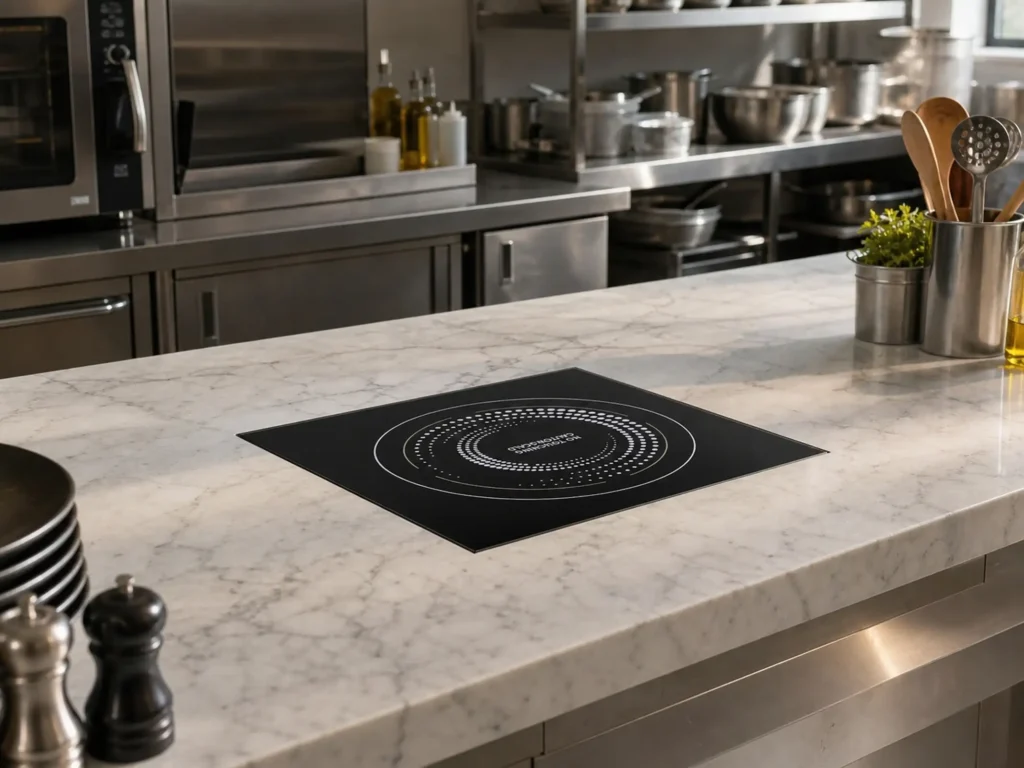

Cookware Compatibility and Operational Convenience
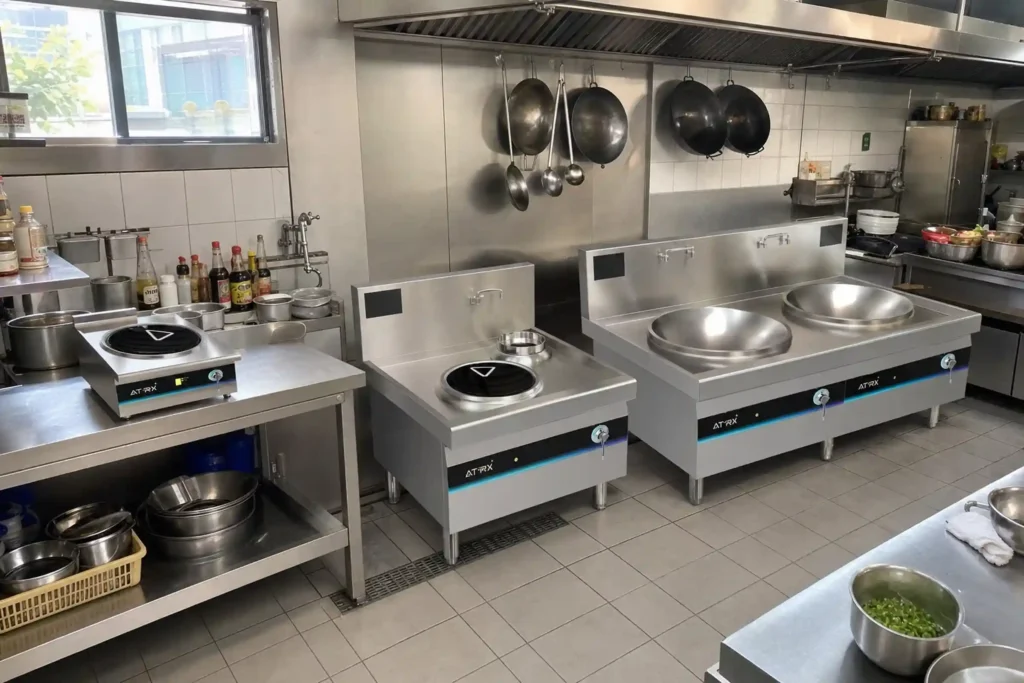
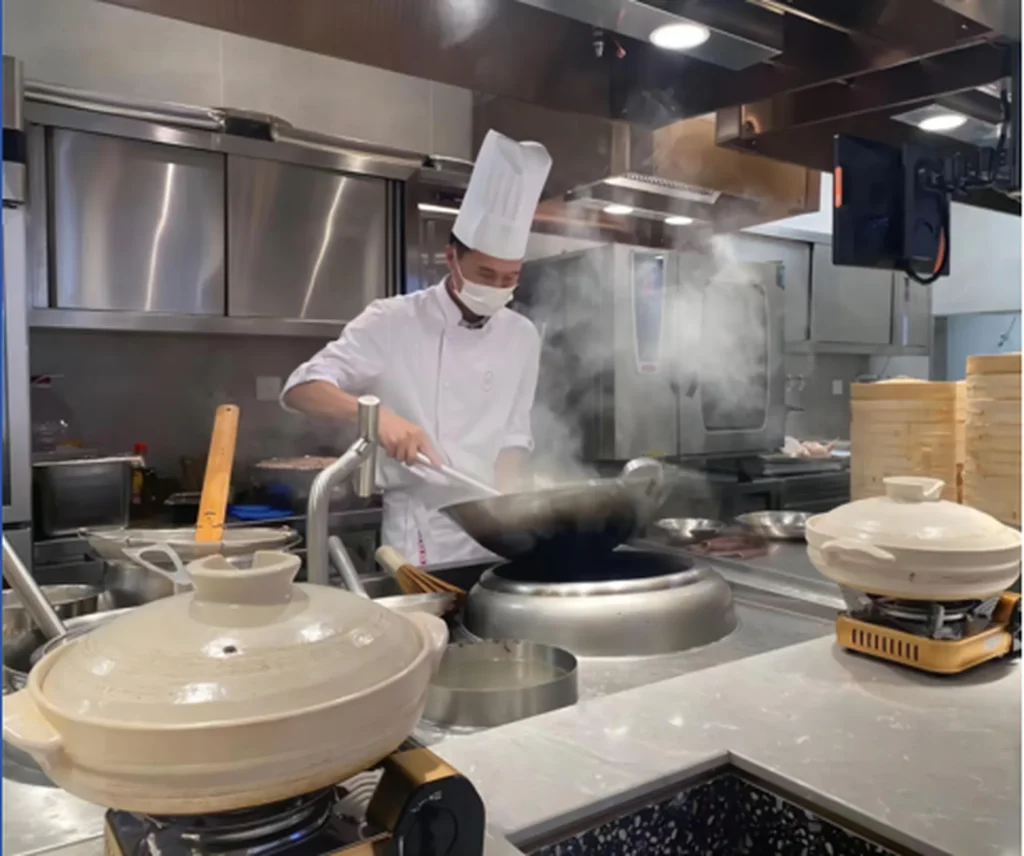
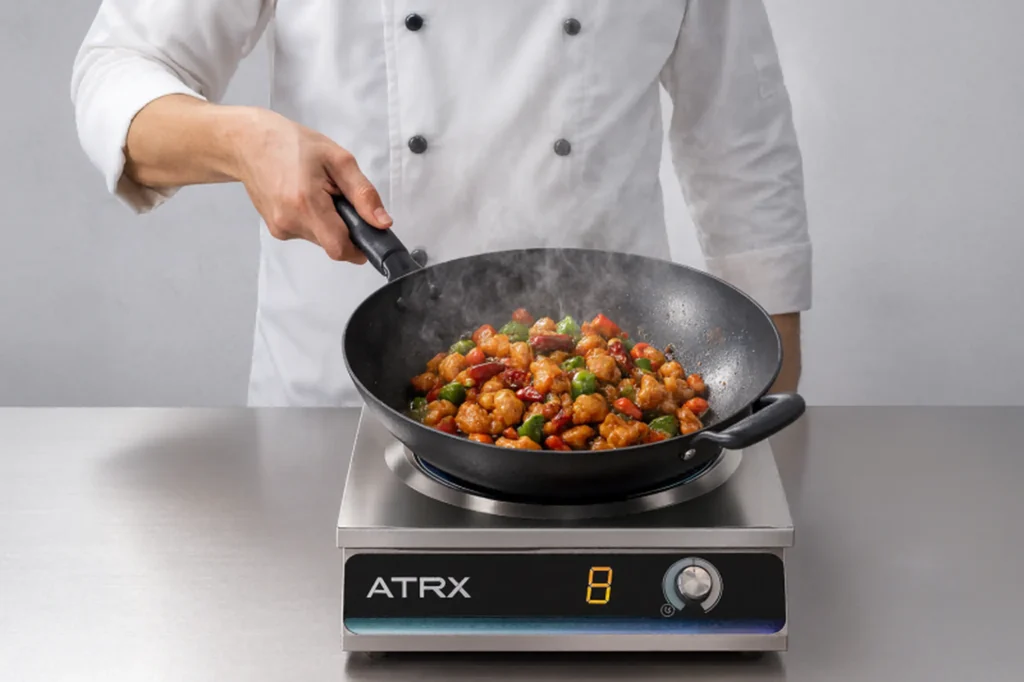
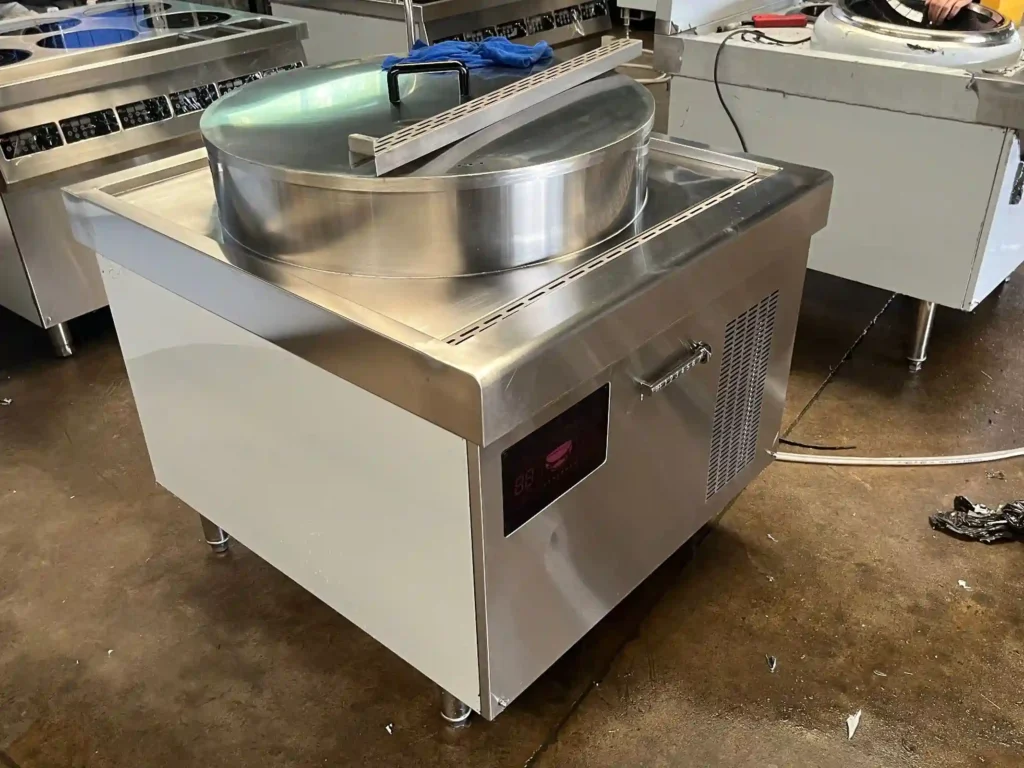
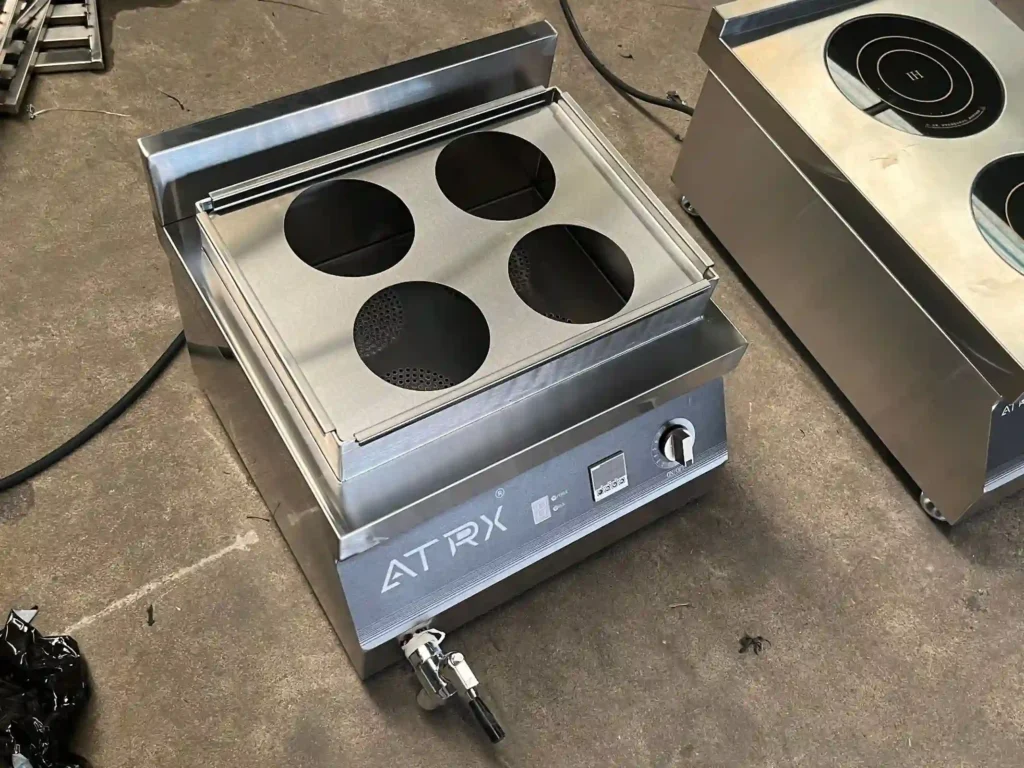
The most immediate advantage of commercial induction hobs lies in their superior cookware compatibility and user-friendly design. Unlike home units that typically feature flat surfaces with inconvenient control buttons, commercial systems accommodate multiple cookware configurations that professional chefs require daily.
Cookware Flexibility Comparison
Commercial Systems Support:
- Round-bottom cookware (traditional woks and specialized pans)
- Flat-bottom cookware (standard restaurant pans and skillets)
- Specialized shapes (custom commercial cookware designs)
Home Systems Limitations:
- Primarily flat-surface compatibility only
- Inconvenient control button placement
- Limited cookware shape accommodation
Professional chefs accustomed to traditional round-bottom woks and convenient control switches find home induction units extremely inconvenient for serious cooking applications. The flat-surface design of residential units creates operational challenges that commercial culinary equipment eliminates through thoughtful engineering.
Control Interface Advantages
Commercial systems provide:
- Ergonomic control placement for rapid adjustments during service
- Intuitive interface design that reduces training time for kitchen staff
- Robust membrane switches that outperform capacitive touch sensors in wet conditions
Superior Power Output for High-Intensity Cooking
Restaurant kitchen appliances must deliver consistent performance under demanding conditions, and power output serves as a critical differentiator between commercial and home induction systems.
Power Performance Comparison
| Equipment Type | Power Range | Water Boiling Speed (6 cups) | Commercial Viability |
|---|---|---|---|
| Home Induction | <2KW | 6+ minutes | Insufficient for commercial use |
| Commercial Induction | 3.5-35KW+ | 3 minutes | Optimal for restaurant service |
| Traditional Gas | Variable | 8+ minutes | Slower than commercial induction |
The induction cooking benefits become particularly evident when considering time-sensitive food preparation requirements. A 3600-watt commercial induction unit can bring six cups of water to boiling in just three minutes, dramatically outperforming both home induction units and traditional cooking methods.
Heating Efficiency Advantages
Commercial induction systems provide:
- Instant response to temperature adjustments without lag time
- Precise heat control across the entire power range
- Consistent performance during peak service hours
- Energy efficiency of 85-95% compared to home units’ lower efficiency ratings
Industrial-Grade Components and Commercial Durability
The core technology differentiating commercial and residential induction systems centers on component quality and thermal management capabilities that home units simply cannot match.
Component Quality Differences
Commercial Systems Feature:
- Multi-tube IGBT or dual-tube IGBT drive structures for enhanced stability
- Industrial-grade induction cores designed for continuous operation
- High-quality electronic components with commercial-grade specifications
- Advanced thermal management systems with powerful cooling capabilities
- Conformal coating boards for electrical protection against grease and moisture
Home Systems Limitations:
- Single-tube IGBT configurations with limited capacity
- Consumer-grade components unsuitable for commercial use
- Inadequate thermal protection for high-intensity use
- Lack of environmental protection features
Durability and Longevity
| Feature | Commercial Units | Home Units | Operational Impact |
|---|---|---|---|
| Operating Lifespan | 10+ years (100,000+ hours) | 2-3 years typical | Reduced replacement costs |
| Continuous Operation | Designed for 24/7 use | Limited duty cycle | Prevents service interruptions |
| Temperature Tolerance | High ambient temperature rated | Standard home environment only | Kitchen environment compatibility |
| Component Protection | Grease and moisture resistant | Basic protection only | Enhanced reliability |
Comprehensive Operational Benefits for Commercial Success
The cumulative advantages of commercial induction hobs address multiple operational challenges that restaurant owners face daily, providing solutions that home units cannot deliver.
Temperature Control Precision
Commercial Advantages:
- Temperature fluctuations within ±5°F of set points
- Elimination of coarse 100W power adjustment issues found in home units
- Professional-grade control granularity for precise cooking techniques
- Digital displays indicating exact power and temperature settings
Home Unit Limitations:
- Wide temperature variations (±15°F or more)
- Frustrating power adjustment increments
- Limited temperature feedback and control options
Physical Stability and Safety
Commercial systems solve critical operational safety issues:
Stability Features:
- Heavy, wide base construction that remains stable during vigorous cooking
- Enhanced weight distribution preventing sliding during pan manipulation
- Robust build quality that withstands repeated daily use
Safety Enhancements:
- Automatic shutoff functions for unattended operation protection
- Advanced cookware detection technology preventing accidental activation
- Cool surface operation reducing burn risks significantly
- No open flame or fuel combustion eliminating fire hazards
Energy Efficiency and Cost Benefits
| Cooking Method | Energy Transfer to Food | Heat Output to Kitchen | Operating Cost Impact |
|---|---|---|---|
| Commercial Induction | 85-95% | Minimal | Lowest operating costs |
| Home Induction | 70-80% | Moderate | Limited efficiency |
| Gas Range | 35-40% | High | Highest fuel costs |
Additional Commercial Benefits:
- Reduced HVAC costs due to minimal heat output to kitchen environment
- Simplified cleaning procedures with smooth, cool surfaces
- Improved air quality without combustion byproducts
- Flexible installation options without gas line requirements
Professional Performance Standards
Professional induction cooktop reviews consistently highlight operational advantages that separate commercial systems from home units:
Performance Metrics:
- Continuous high-power operation without thermal shutdown
- Consistent temperature maintenance during extended cooking periods
- Rapid recovery times between cooking cycles
- Professional-grade reliability under demanding conditions
The induction cooking benefits extend beyond basic heating efficiency to encompass comprehensive operational improvements that directly impact restaurant profitability and kitchen safety standards. Commercial systems address the fundamental inadequacies of home units in professional environments, providing the performance, durability, and reliability that successful food service operations require.
For professional-grade solutions engineered to meet the demands of commercial kitchens, explore ATRX’s full range of commercial induction cookers built for superior power, durability, and operational efficiency.