

Does Aluminum Cookware Work on Induction?
06/14/2026
Estimated reading time: 2 minutes

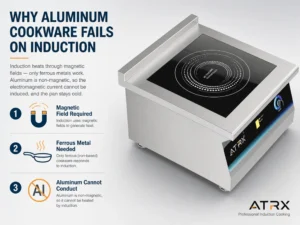
Put a regular aluminum pot on an induction cooktop, and nothing happens. Induction cooktops use a magnetic field to generate heat inside the pot base, but aluminum isn’t ferromagnetic—the field passes right through it. That said, not every aluminum pot is off the table. Some aluminum cookware is induction compatible by design, with a magnetic steel layer bonded to the bottom. Place one of those on an induction cooktop, and it fires up just fine.
This article tackles one straightforward question: can the aluminum pot you already have actually work on induction? We cover what happens when you try, why aluminum doesn’t work on induction, which aluminum pots do work, whether an adapter disc is worth it, and whether any of this risks damaging your cooktop.
IN THIS ARTICLE
- What Happens When You Place an Aluminum Pot on an Induction Cooktop
- Why Aluminum Pots Don’t Work on Induction Cooktops
- Which Aluminum Pots Can Work on an Induction Cooktop
- Can an Induction Adapter Disc Make Aluminum Pots Work
- Will an Aluminum Pot on an Induction Cooktop Damage the Unit
- Common Questions People Ask
What Happens When You Place an Aluminum Pot on an Induction Cooktop
Short answer: nothing. The cooktop won’t activate, and the pot stays cold.
During cookware compatibility testing at our facility, we tried all kinds of aluminum vessels—standard saucepans, alloy stock pots, disposable foil containers—on a commercial induction cooktop one after another. Every time, the result was the same.
The indicator light flashed twice. The display lit up for a moment, then threw an error code—E0 or E3, depending on the model. A few beeps, and the unit dropped back to standby. The pot base? Cold. Repositioning the pot or restarting the cooktop changed nothing.
This isn’t a malfunction. Induction cooktops have a built-in detection circuit that checks whether the object on the surface produces enough magnetic response. An aluminum pot’s response is essentially zero. The sensor reads that as “no pot detected” and shuts off power output.
So if your induction cooktop ignores an aluminum pot, the machine isn’t broken. Swap in a ferromagnetic pot, and it heats up immediately.

Why Aluminum Pots Don’t Work on Induction Cooktops
What the Magnetic Field Does When It Hits an Aluminum Pot Base
Under the cooktop surface sits a copper coil. When powered on, it creates a high-frequency alternating magnetic field. That field passes through the glass and reaches the pot base.
If the base is cast iron or 430 stainless steel—ferromagnetic metals—the field drives strong eddy currents inside the metal. Those currents become heat. The pot base heats itself. Aluminum is a completely different story. The field reaches the aluminum base, but aluminum’s ferromagnetic response is so weak that it generates almost no eddy currents. As far as the cooktop is concerned, there’s nothing there.
The heat is supposed to come from inside the pot base. An aluminum base simply can’t respond to the field. This isn’t “slow heating.” Heating never starts at all. The U.S. Department of Energy (DOE) explains the underlying mechanism in more detail on its induction cooktop technology overview page.
The One Physical Property That Makes Aluminum Incompatible
It comes down to one thing: aluminum is not ferromagnetic.
Induction heating depends on ferromagnetic coupling between the pot base and the magnetic field. Aluminum has extremely low magnetic permeability, so it can’t exchange energy with the alternating field effectively. The eddy currents it does produce are so faint that the cooktop sensor ignores them entirely and decides nothing is on the surface.
Here’s a side-by-side comparison:
| Property | Cast Iron / Magnetic Stainless Steel | Aluminum |
|---|---|---|
| Ferromagnetism | Strong | Virtually none |
| Magnetic permeability | High | Extremely low |
| Eddy current response on induction | Strong—base heats fast | Too weak for sensor to detect |
| Does the cooktop activate? | Yes | No |
This isn’t about pot quality. It’s not about your cooktop brand. Aluminum as a metal is physically incompatible with electromagnetic induction heating. That’s just how the material behaves.
Which Aluminum Pots Can Work on an Induction Cooktop
Aluminum Pots with a Magnetic Steel Base Layer
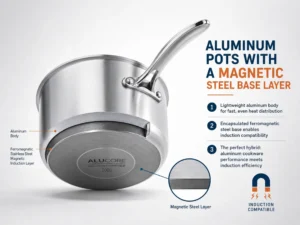
Plain aluminum pots on an induction stove won’t heat. But aluminum pots with a ferromagnetic stainless steel layer bonded to the base will.
The structure is simple. The pot body is still aluminum—light and fast to conduct heat. The manufacturer bonds or welds a layer of magnetic stainless steel, usually 430 grade, onto the bottom. The cooktop detects this steel layer and heats it through the magnetic field. That heat then transfers up into the aluminum body.
In real use, these pots fire up and heat normally on an induction cooktop. No obvious difference from a full stainless steel pot. Products labeled “induction compatible” or “induction ready”—aluminum nonstick pans, aluminum woks—almost always have this structure.
One thing to watch: the magnetic layer’s thickness and bond quality directly affect performance. Some products have thin base plates or poor bonding between the steel and the aluminum body. Over time, the plate can loosen or even separate. When evaluating a pot, press the edges of the base and feel for any gap between the steel layer and the pot body.
How to Check Whether an Aluminum Pot Has a Magnetic Base
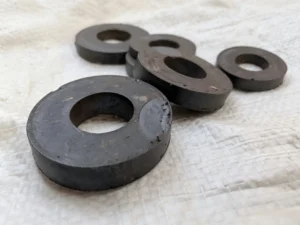
All you need is a refrigerator magnet.
Flip the pot over and set the magnet on the base. If it grips firmly, the base contains ferromagnetic material—the pot works on induction. If it doesn’t stick, or barely clings before sliding off, it’s a plain aluminum pot. It won’t heat.
You can also look for a coil-shaped icon on the pot base—it looks like a spring seen from the side. That’s the internationally recognized induction compatibility symbol. If it’s there, the manufacturer has verified the pot works on induction.
Best practice: use both checks together. A pot with the symbol will usually pass the magnet test. But some smaller brands skip the symbol even though the magnetic base is there. In that case, the magnet is the final word.
If you want to understand how other materials—cast iron, carbon steel, stainless steel—perform on induction too, see this complete guide to induction cookware compatibility.
Can an Induction Adapter Disc Make Aluminum Pots Work
How an Adapter Disc Heats an Aluminum Pot
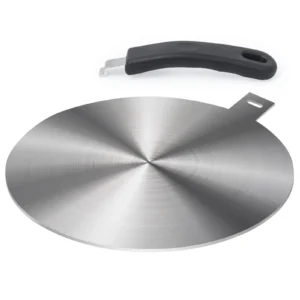
An induction adapter disc is a flat ferromagnetic metal plate, usually 12 to 22 cm in diameter.
The idea is straightforward. Put the disc on the cooktop, then put the aluminum pot on the disc. The cooktop detects the disc’s magnetic properties, activates, and heats the disc. The disc then passes heat up into the pot through contact.
It does work. Water boils. Food cooks. If you have a couple of aluminum pots you don’t want to retire yet, an adapter disc gets the job done as a short-term fix.
The Real-World Problems with an Adapter Disc
“Works” and “works well” aren’t the same thing.
We tested this head to head: same cooktop, same power level. A magnetic stainless steel pot boiled 2 liters of water in about 4 minutes. An aluminum pot on an adapter disc took close to 6 and a half minutes. That’s a real gap.
Here’s what you’re dealing with:
- Big efficiency loss. An extra layer of metal sitting between the cooktop and the pot means 20% to 30% of the heat is lost in transfer. Same cooking task, more electricity, more time.
- Uneven heating. The disc and pot base can’t make perfect contact. Small air gaps create hot spots and cold spots across the bottom of the pot.
- The disc gets dangerously hot. It’s essentially a bare iron plate being heated by induction. Surface temperature can exceed 300°C (572°F). Accidental contact means a serious burn. Removing it after cooking takes extra caution.
- Poor stability. A pot sitting on a disc sitting on glass—push the pot and the whole stack slides.
As a stopgap, an adapter disc is fine. But if you’re regularly using aluminum cookware on an induction cooktop, just switch to aluminum pots with a built-in magnetic base. The cost difference is small. The performance difference is not.
CenturyLife came to the same conclusion in their in-depth adapter disc review: adapter discs paired with aluminum pots deliver far less thermal efficiency than natively compatible cookware. Consumer Reports tested multiple discs as well and confirmed the same drop in efficiency and speed.
Will an Aluminum Pot on an Induction Cooktop Damage the Unit
No.
The cooktop runs a detection check before it turns on. An aluminum pot produces no ferromagnetic signal, so the sensor sees no valid load and blocks power output. No power output means the coil does no work. The internal components carry no load. Nothing gets damaged—not the cooktop, not the pot.
Some models will keep beeping or flash an error code after a failed detection. That’s just the unit telling you to switch pots. It’s not taking any harm.
Bottom line: the worst an aluminum pot does to an induction cooktop is trigger an error message. Take it off, put the right pot on, and the cooktop goes back to normal.
If you’re thinking beyond cookware compatibility and want guidance on routine care and fault prevention for your unit, check this commercial induction cooktop maintenance guide.
Common Questions People Ask
Q1: We have a large stock of aluminum pots. Replacing everything at once is too costly. Is there a fast way to sort out which ones are induction-compatible?
No need to look up model numbers. Grab a strong magnet and walk your shelves. If the magnet sticks to the pot base, keep the pot. If it doesn’t, set it aside. One person can screen a few hundred pots in half a day.
Test both the center and the edge of each base. Some aluminum pots have a magnetic layer that only covers the center. If the edges don’t hold the magnet, the effective heating zone on an induction cooktop will be smaller than expected.
Q2: A supplier labeled their aluminum pots “induction ready,” but they don’t respond on the cooktop. Is it the pot or the cooktop?
Rule out the cooktop first. Put a pot you already know works—cast iron or magnetic stainless steel—on the surface. If it heats normally, the cooktop is fine. Then test the new batch with a magnet on the base. No stick or very weak hold? The magnetic layer is substandard.
“Induction ready” is a marketing label, not a regulated certification. Some suppliers’ claims don’t hold up. The magnet test is your real acceptance check.
Q3: If the cooktop can’t detect the aluminum pot, does turning it on and off repeatedly hurt the machine?
No hardware damage. When the cooktop can’t find a magnetic pot, it doesn’t output power. The coil and circuit board carry zero load. But running the detection cycle over and over does make the control board repeat its startup-error-standby routine for no reason—unnecessary wear over the long run.
Once you’ve confirmed an aluminum pot isn’t compatible, just switch cookware. Don’t keep retrying.
About the author

ATRX Team| 18 Years Commercial
Induction Cooker Manufacturer in China
Induction Cooker Manufacturer in China
Related Posts

Best Commercial Induction Cooktop: Types &Buying Guide
10/09/2026
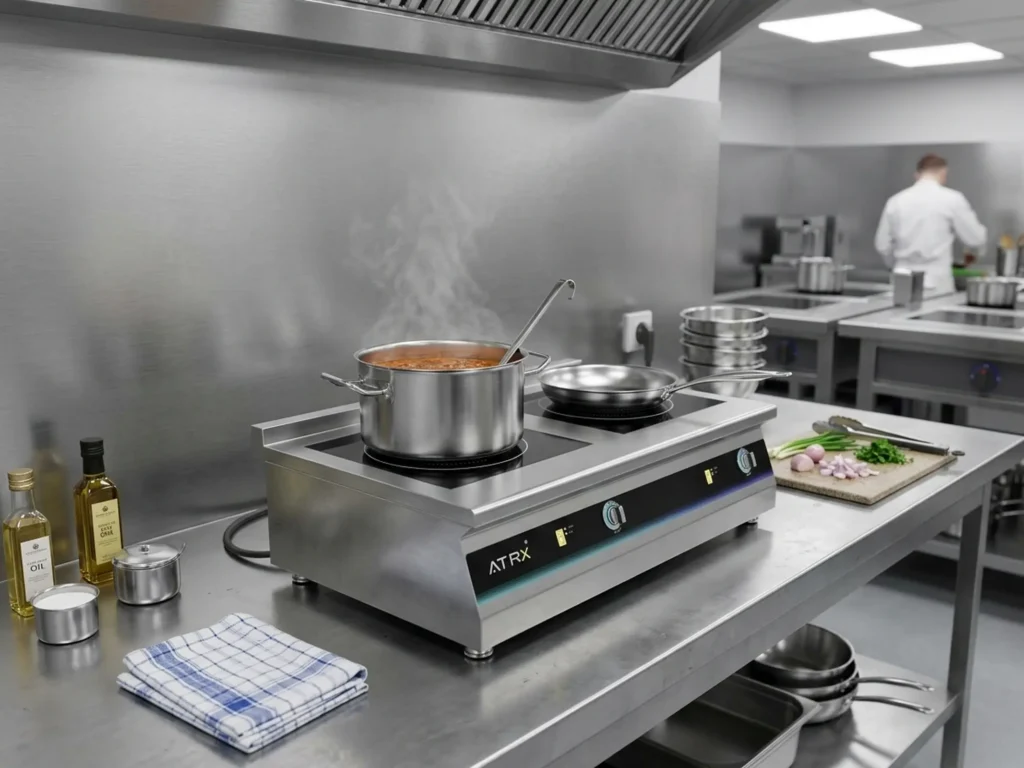
Commercial Double Hob Induction Cooker | Types, Power, and Installation Guide
10/05/2026
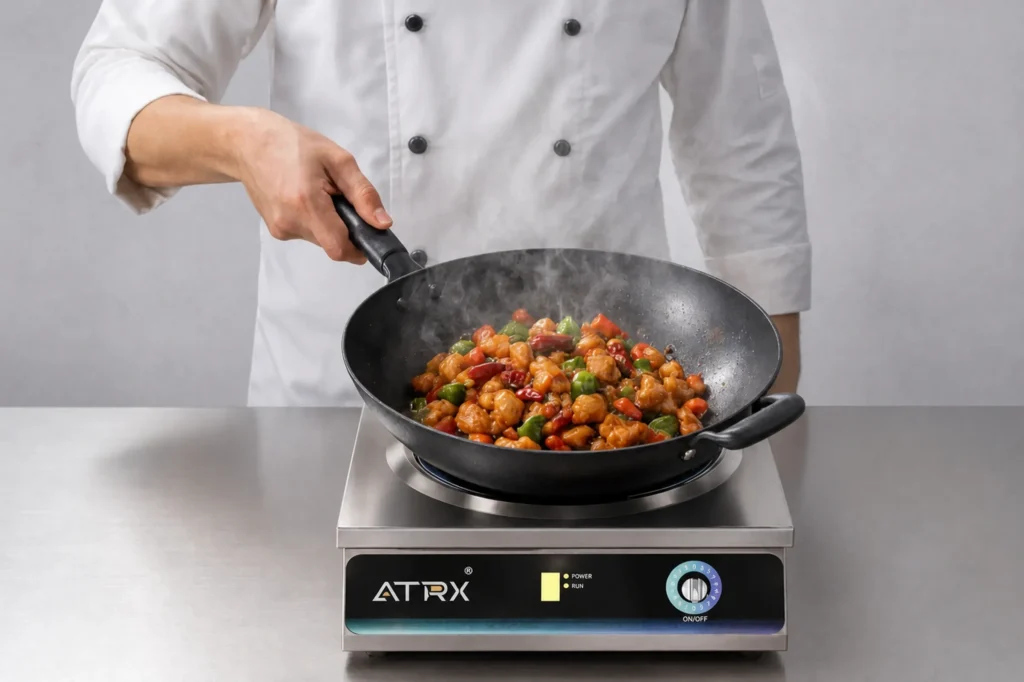
Commercial Induction Cooker 3500W: Model Selection, Commercial Power and Installation
09/29/2026
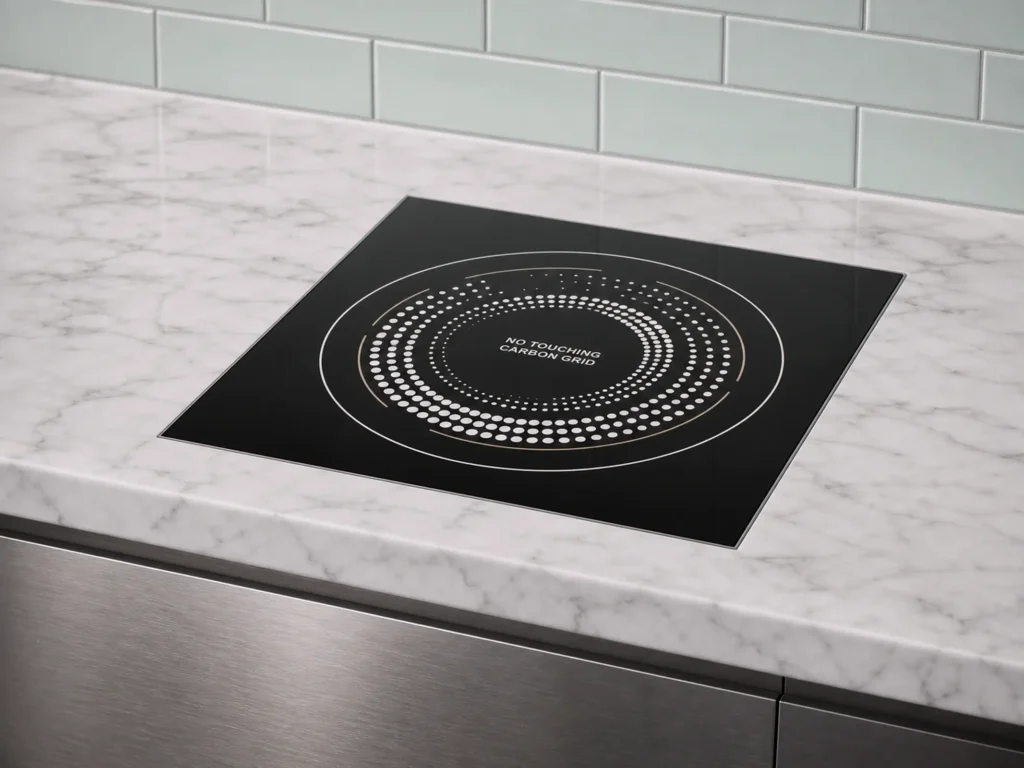
How to Install a Built-In Induction Cooktop: A Step-by-Step Guide
09/17/2026
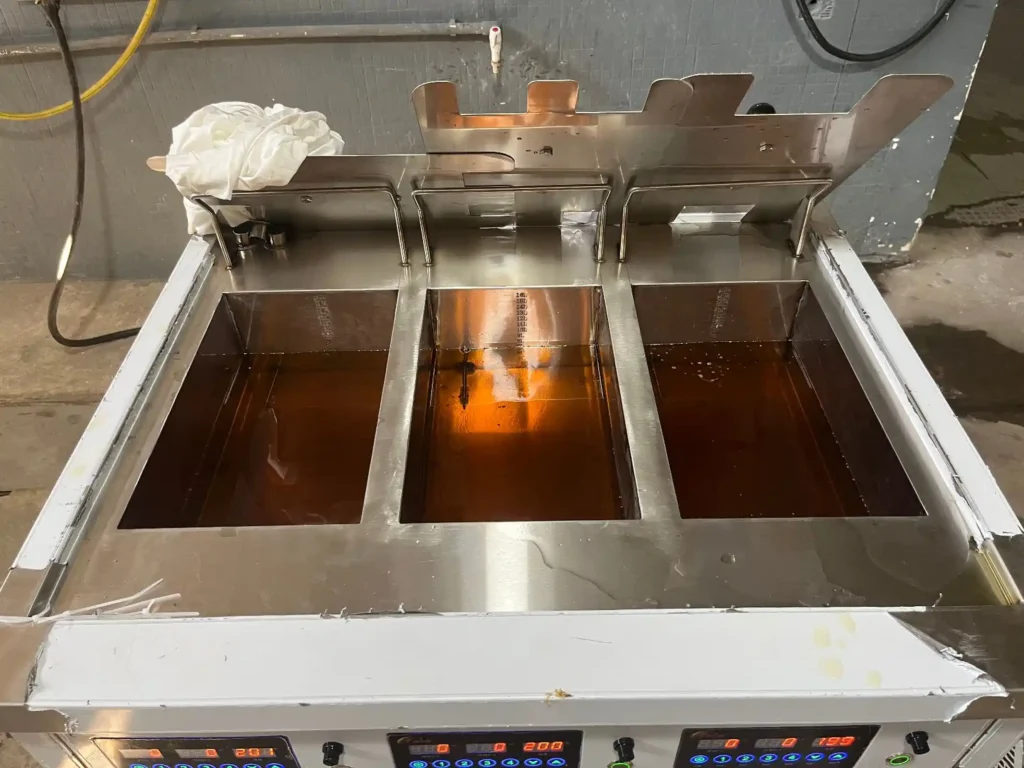
How to Clean a Commercial Deep Fryer: A Step-by-Step Guide
09/13/2026
High Quality Commercial Induction Cooker Manufacturer
09/09/2026
Automatic Wok Machine: Types, Specifications, Applications and Buying Guide
08/18/2026
Commercial Induction Range: How to Choose the Right Size, Power, and Configuration for a Commercial Kitchen
08/15/2026
What Is a Commercial Induction Cooker and How Does It Work
08/13/2026
Commercial Induction Range for Hotel Kitchens: How to Choose the Right Model
08/11/2026