
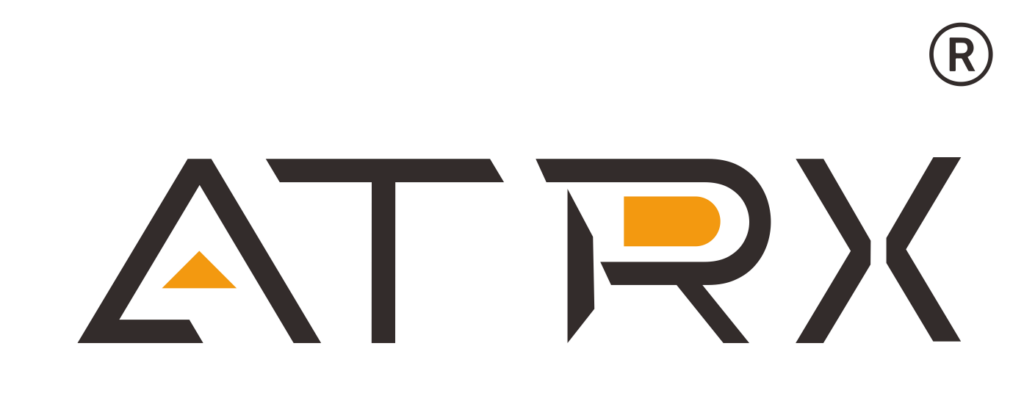
AI-Assisted Cooking: The Future Prospects of Smart Induction Cooker in Restaurant Applications
05/11/2026
Estimated reading time: 2 minutes

If you’re running a restaurant today, you’ve probably noticed how challenging it’s become to maintain consistent food quality during rush hours while managing rising labor costs. Maybe you’ve been wondering whether all this talk about AI-assisted cooking and smart induction cooker is just hype, or if there’s something worth paying attention to for your kitchen’s future. Let me share what I’ve learned about these emerging technologies, keeping in mind that while many features are still in development, understanding them now can help you make smarter equipment decisions down the road.
Table of Contents
- Why AI Smart Induction Cooktops Matter for Your Restaurant
- What These Systems Can (and Will) Do
- Where Kitchen Technology Is Heading: A 10-Year Perspective
- Making Sense of Implementation: What Works Where
- Real Benefits You Can Expect
- Who’s Building What: Supplier Landscape
- Smart Ways to Approach This Technology
- Common Questions About AI Cooking Technology
Why AI Smart Induction Cooker Matter for Your Restaurant
Friday night service, packed restaurant, kitchen team struggling to maintain quality while orders pile up – this scenario plays out in restaurants worldwide, and it’s exactly why AI-assisted cooking technology has caught the attention of so many restaurant owners and kitchen designers. The promise isn’t just about having fancy tech; it’s about solving real problems that affect your bottom line every single day.
The Daily Struggles We All Face
Let’s talk about what actually happens during service. When orders pile up, even experienced chefs find it tough to maintain precise temperature control across multiple stations. One dish gets slightly overcooked while another doesn’t quite reach the right temperature, and suddenly your consistency – the thing customers count on – starts to slip. Traditional equipment, even quality commercial induction cooktops, can only do so much when human attention is divided.
What Restaurant Owners Tell Me
The most common frustrations I hear aren’t about equipment breaking down – they’re about the human challenges. Training new staff takes weeks or months, and just when someone gets good, they might leave for another opportunity. Meanwhile, labor costs keep climbing, and maintaining standards across different shifts feels like a constant battle. These aren’t problems you can solve by simply buying better pans or training harder.
Then there’s the standardization challenge that really hits multi-location operations. You want your signature dish to taste the same whether it’s prepared by your head chef or the newest line cook, whether it’s the lunch shift or late-night service. Manual processes introduce variables that are incredibly difficult to control, no matter how detailed your recipes or how thorough your training.
The Training Treadmill
Every new hire means starting from scratch with technique training. Even with detailed guides, it takes time for muscle memory to develop. This investment walks out the door whenever staff turnover occurs.
Peak Hour Pressure
When tickets are flying in, maintaining quality becomes exponentially harder. Small mistakes compound, leading to remakes, delays, and frustrated customers.
The Questions That Keep You Up at Night
When I discuss AI cooking technology with restaurant operators, two questions always come up. First, people want to know if AI can actually help with real cooking tasks or if it’s just marketing buzz. Second, they wonder about timing – should they wait for the technology to mature, or start paying attention now? These are smart questions that deserve honest answers based on current realities, not just future promises.
What These Systems Can (and Will) Do
Here’s an important reality check: most of what I’m about to describe is either in testing phases or early pilot programs. Think of this as a preview of what’s coming rather than a shopping list for today.
The development of AI-powered commercial induction technology is happening in stages, with some features closer to reality than others. Understanding what’s being developed helps you evaluate whether and when these technologies might benefit your operation.
Smart Temperature Management That Actually Thinks
Your induction cooktop recognizing not just that there’s a pan on it, but what kind of pan, how much food is in it, and automatically adjusting power to maintain perfect cooking conditions – that’s what intelligent fire control aims to achieve. The system continuously monitors and adjusts, similar to having an experienced chef’s intuition built into the equipment. When you’re searing steaks, it maintains the exact surface temperature needed for that perfect crust, compensating automatically when you add a cold piece of meat.
Several China manufacturers are refining these systems, focusing on reliability and response time. The goal isn’t to replace chef expertise but to provide consistent support that reduces the margin for error during busy periods.
Recipe Programs That Go Beyond Timers
We’re not talking about simple preset timers here. Advanced recipe programming means the equipment can execute complex cooking sequences – the difference between stir-frying (high heat, constant movement) and braising (initial sear, then low and slow) is substantial. Each program considers multiple variables: the weight of ingredients, starting temperature, desired outcome, even ambient kitchen conditions.
For a practical example, consider making your restaurant’s signature sauce. Instead of hoping each cook follows the recipe exactly, the system could guide them through each step, automatically adjusting heat as ingredients are added, ensuring the same result every time. This isn’t about dumbing down cooking – it’s about ensuring consistency while freeing skilled staff to focus on presentation and quality control.
Data That Actually Helps You Run Better
- Real Performance Tracking: Know exactly how long each dish takes, not just in theory but in practice during actual service
- Energy Intelligence: See where power is being wasted and get suggestions for more efficient cooking schedules
- Predictive Maintenance: Get warnings before equipment fails, not after it ruins a Saturday night service
- Quality Metrics: Track temperature curves to ensure every dish meets your standards
Connected Kitchens That Make Sense
The WiFi and cloud connectivity features being developed aren’t just about remote control for the sake of it. Getting an alert on your phone that the dinner prep is running behind schedule, or being able to check equipment status from home before your morning commute – these features have real value. More importantly, updating all your recipes across multiple locations instantly, or having technical support diagnose issues without an expensive service call, can save significant time and money.
Learning Systems That Improve Over Time
This is where things get really interesting. Machine learning means your equipment could actually get better at cooking your specific menu over time. It might notice that your kitchen runs five degrees warmer in summer and automatically compensate, or learn that your lunch crew tends to slightly underfill portions and adjust cooking times accordingly. These aren’t fantasies – they’re capabilities being tested in pilot kitchens right now.
Where Kitchen Technology Is Heading: A 10-Year Perspective
Let me outline how commercial kitchens might evolve over the next decade. This isn’t science fiction – it’s based on current development trajectories and what manufacturers are actively working on. Understanding these trends helps you make equipment decisions today that won’t leave you behind tomorrow.
The Gradual Automation Journey
Between now and 2027, expect to see basic AI features becoming more common and affordable. We’re talking about programmable recipes that actually work reliably and remote monitoring that doesn’t require an IT degree to set up. These foundational capabilities will start appearing in mid-range equipment, not just premium models. The transition will be similar to when smartphones went from luxury to necessity – that’s what’s about to happen with smart kitchen equipment.
From 2028 to 2030, the real intelligence kicks in. Equipment will start learning from usage patterns, adapting to your specific kitchen’s needs. Different stations will communicate with each other – your induction cooktop might signal the ventilation system to increase airflow before you even start that smoky stir-fry. This coordination won’t require complex programming; it’ll happen automatically based on learned patterns.
Looking toward 2035, we’ll likely see kitchens where AI handles routine cooking tasks while humans focus on creativity and quality control. This doesn’t mean robot chefs – it means equipment that supports and enhances human capability. Your role shifts from manually controlling every aspect to supervising intelligent systems that handle the repetitive parts of cooking.
Data Becoming Your Secret Weapon
Smarter Operations
Knowing exactly which dishes are most profitable based on actual prep time, ingredient waste, and energy use gives you real competitive advantage. AI systems will provide these insights automatically.
Inventory That Manages Itself
Systems will predict what you’ll need based on historical patterns, weather, local events, and even social media trends, automatically adjusting orders to minimize waste.
Energy Costs That Make Sense
Smart coordination between equipment could reduce energy use by 30-40%, not through sacrifice but through intelligent scheduling and load management.
Cloud Management That Actually Works
For chain restaurants, the implications are substantial. Rolling out a new menu item across all locations instantly, with equipment automatically adjusting to cook it perfectly, becomes possible. Real-time performance metrics from every kitchen help identify problems before they affect service. This isn’t about micromanagement – it’s about having the information you need to support your teams effectively.
Personalization Meets Efficiency
Future systems might adjust recipes based on individual customer preferences tracked through your POS system. Regular customers could have their meals prepared exactly how they like them, automatically. Dynamic pricing could help you optimize profitability based on real-time ingredient costs and demand. These capabilities sound futuristic, but the building blocks are being developed today.
Making Sense of Implementation: What Works Where
Let’s get practical about what makes sense for different types of operations. Not every restaurant needs the same level of technology, and understanding where you fit helps avoid both overspending and missing opportunities.
Where We Really Stand Today
Despite exciting developments, we need to be realistic about current availability. Basic AI control and WiFi connectivity are reaching pilot stages with select custom manufacturers, but comprehensive systems remain largely in development. The current state is similar to electric vehicles five years ago – the technology works, but it’s not quite ready for everyone.
Small Restaurants: Start Simple
What Makes Sense Now
For smaller operations, focus on equipment with basic programmable features that address your biggest pain points. If consistency is your challenge, look for systems with reliable recipe programs. If energy costs are killing you, prioritize intelligent power management. You don’t need every bell and whistle – just the features that solve real problems in your kitchen.
The key for small restaurants is choosing equipment with upgrade potential. Buy from manufacturers committed to long-term development, even if you’re starting with basic models. This way, you can add capabilities as they become available and as your needs grow.
Medium-Sized Operations: Strategic Selection
Balancing Innovation and Reliability
Mid-sized restaurants benefit most from proven AI features rather than cutting-edge experiments. Automatic temperature control and basic analytics provide real value without the risks of early adoption. Focus on technologies that enhance what you’re already doing well rather than requiring operational overhauls.
Consider piloting advanced features in one station before committing to kitchen-wide implementation. This lets you evaluate real-world benefits while minimizing disruption and investment risk.
Large Chains: Comprehensive Integration
Where Scale Justifies Investment
For multi-location operations, even experimental technologies might make sense if they solve standardization challenges. The ability to ensure consistency across dozens or hundreds of kitchens can justify premium investments. Cloud management and centralized control become force multipliers at this scale.
Large operations should work directly with manufacturers on custom solutions tailored to specific needs. The investment in development can be amortized across many locations, making even significant upfront costs reasonable.
Reality Check: Current Limitations
Let’s be honest about the challenges. High initial costs mean careful ROI analysis is essential – you need to look beyond immediate benefits to long-term potential. Technology stability remains a concern; you can’t afford equipment failures during service. Remote management sounds great, but it requires reliable internet, which isn’t given in all locations. These aren’t insurmountable problems, but they require planning and realistic expectations.
If you’re exploring what’s currently available before AI features become mainstream, our guide to choosing the right commercial induction cooker covers the essential specs, power options, and selection criteria that matter most for restaurant kitchens today.
Real Benefits You Can Expect
Beyond the technology itself, what really matters is how these systems can improve your daily operations. Let me break down the tangible benefits based on what early adopters are already experiencing and what’s reasonably expected as technology matures.
Making Your Team More Effective
The biggest misconception about AI cooking technology is that it’s about replacing people. In reality, it’s about making your existing team more capable. New hires can reach competency faster when equipment guides them through processes. Experienced chefs can focus on the creative and quality aspects that truly require human expertise. During rush periods, having equipment that maintains consistent temperatures and timing means your team can handle more orders without sacrificing quality.
If your grill cook doesn’t have to constantly adjust temperatures and can trust the equipment to maintain the right heat, they can pay more attention to plating, coordination with other stations, and ensuring each dish meets standards. It’s not about doing less work – it’s about doing more valuable work.
Consistency That Builds Customer Trust
We all know that customer who orders the same dish every visit and notices the slightest variation. With AI-assisted cooking, that variation virtually disappears. The system ensures that whether it’s Monday lunch or Saturday dinner, whether it’s your best cook or newest hire, the results remain consistent. This reliability builds customer loyalty in ways that are hard to quantify but easy to see in repeat business.
Cost Savings That Add Up
Energy Efficiency
Smart power management can reduce energy use by 25-35%. For a medium restaurant, that might mean saving $500-1000 monthly on utility bills.
Reduced Waste
Precise cooking means fewer mistakes and remakes. Even a 10% reduction in food waste can significantly impact your bottom line.
Lower Maintenance Costs
Predictive maintenance catches problems early when they’re cheap to fix, not during Saturday dinner service when they’re disasters.
Management From Anywhere
Remote monitoring isn’t just convenient – it’s transformative for how you run your business. Getting alerts about equipment issues before they become problems means fewer emergency repairs. Being able to check on operations from home provides peace of mind and better work-life balance. For multi-location operators, seeing all kitchens from a single dashboard makes it possible to manage more effectively with less travel.
Insights That Drive Better Decisions
The data these systems collect isn’t just numbers – it’s actionable intelligence about your operation. You’ll know which dishes take longest to prepare during rush periods, which stations create bottlenecks, and where energy is being wasted. This information helps you make menu decisions, staffing choices, and equipment investments based on facts rather than hunches.
Who’s Building What: Supplier Landscape
Understanding the supplier landscape helps you identify potential partners for your AI cooking journey. Different manufacturers have different strengths, and knowing who’s focusing on what can guide your conversations with equipment vendors.
Update International’s Practical Approach
Update International is taking an interesting middle-ground approach, developing AI features that work reliably today rather than promising revolutionary changes tomorrow. Their pilot programs combine intelligent temperature control with WiFi connectivity in ways that make sense for small to medium restaurants. What I appreciate about their strategy is the focus on gradual adoption – you can start with basic features and add capabilities as they’re proven.
Chinese and European Industrial Innovation
Major manufacturers in China and Europe are where much of the heavy development is happening. Chinese factories often lead in bringing costs down while maintaining innovation pace. They’re particularly good at customization, working with restaurants to develop specific solutions. European manufacturers tend to focus on reliability and integration with existing kitchen systems. Both approaches have merit depending on your priorities.
Premium Market Evolution
High-end manufacturers in Europe and America aren’t just building better equipment – they’re reimagining entire kitchen ecosystems. Their vision extends beyond individual appliances to complete smart kitchen solutions where everything works together seamlessly. While these solutions carry premium prices, they often include superior support and training that can make the investment worthwhile for operations that can afford it.
Trends to Watch
- Modular Systems: Equipment designed to add AI capabilities as modules, letting you upgrade without replacing entire units
- Open Standards: Industry moves toward compatibility between different manufacturers’ smart equipment
- Subscription Models: Some suppliers offering AI features as monthly services rather than upfront purchases
- Regional Adaptation: AI systems learning and adapting to local cooking styles and preferences
Smart Ways to Approach This Technology
After all this information, you might wonder how to actually move forward. Let me share some practical strategies for engaging with AI cooking technology without betting the farm on unproven concepts.
Stay Informed Without Getting Overwhelmed
Technology moves fast, but you don’t need to follow every development. Focus on a few reliable sources of information – trade publications, trusted equipment suppliers, and industry events. Pay particular attention to case studies from restaurants similar to yours. Real-world results matter more than promotional promises.
When manufacturers announce new features, ask about pilot programs or demonstrations. Seeing technology in action, preferably in a working kitchen, tells you more than any specification sheet.
Develop Your Evaluation Framework
Before looking at any specific equipment, clarify what problems you’re trying to solve. Is it consistency? Labor costs? Energy efficiency? Speed of service? Your priorities determine which technologies matter most. Create simple metrics to evaluate potential solutions – if a technology doesn’t clearly address your key challenges, it’s probably not worth the investment yet.
Consider both immediate and long-term value. Sometimes paying more for equipment with upgrade potential makes sense even if you won’t use all features immediately.
Phase Your Implementation
You don’t have to transform your entire kitchen at once. Start with one station or one piece of equipment. Learn what works, what doesn’t, and what your team needs to succeed with the technology. Use these lessons to inform broader implementation.
Building relationships with forward-thinking suppliers pays dividends. They can keep you informed about developments, offer early access to new features, and provide support as you navigate new technologies.
Focus on Fundamentals
Upgradability
Choose equipment that can evolve through software updates rather than requiring replacement when new features emerge.
Compatibility
Even if you’re not ready for full integration, ensure new equipment won’t create islands of incompatibility in your kitchen.
Support Quality
The best technology fails without good support. Evaluate manufacturers’ training programs and technical assistance capabilities.
Common Questions About AI Cooking Technology
When will AI commercial induction cooktops be widely available and affordable?
Basic AI features are entering the market now through pilot programs, with broader availability expected in 2-3 years. More sophisticated capabilities will likely take 5-7 years to become mainstream. Affordability follows a typical technology curve – early adopters pay premium prices, but costs decrease as production scales up. Plan for gradual adoption rather than waiting for everything to be perfect.
What kind of return on investment can I realistically expect?
ROI varies significantly based on your operation, but early adopters report 20-30% energy savings, 15-25% reduction in food waste, and 10-20% improvement in labor efficiency. Most operations recover initial investments within 18-36 months. The key is choosing features that address your specific challenges rather than buying technology for its own sake.
Can I upgrade my current equipment or do I need to start fresh?
Some newer commercial induction models can accept upgrade modules, but comprehensive AI integration typically requires purpose-built equipment. Check with your current equipment manufacturer about upgrade paths. Even if full upgrades aren’t possible, you might be able to add basic connectivity or control features to extend useful life while planning for eventual replacement.
What infrastructure do I need to support AI cooking equipment?
At minimum, you’ll need reliable high-speed internet and adequate electrical capacity for induction equipment. Cloud-based features require network security measures. Most importantly, you need a training plan for staff and a change management approach. The technology is only as good as the people using it, so budget for training time and potential productivity dips during transition.
Should I buy from established brands or consider newer manufacturers?
Both have advantages. Established brands offer proven reliability and support networks but might be slower to innovate. Newer manufacturers, particularly from China, often provide better value and customization options but might lack comprehensive support. Consider your risk tolerance and support needs. Sometimes mixing both – established brands for critical equipment and innovative suppliers for pilot programs – provides the right balance.
The evolution of AI-assisted cooking technology represents a fascinating intersection of culinary tradition and technological innovation. While we’re still in the early stages of this transformation, the trajectory is clear – kitchens are becoming smarter, more efficient, and more capable of delivering consistent quality at scale. This isn’t about replacing the art of cooking but enhancing it with tools that handle the repetitive and precise aspects, freeing humans to focus on creativity and hospitality.
As you consider your kitchen’s future, remember that understanding these technologies now, even if you’re not ready to invest, positions you to make better decisions when the time is right. The restaurants that thrive in the next decade won’t necessarily be those with the most advanced technology, but those that thoughtfully integrate the right technologies to solve their specific challenges. Whether you’re a small bistro looking to improve consistency or a large chain seeking standardization across locations, there’s likely an AI solution in development that could help.
Keep an eye on this space – the next few years promise exciting developments that could fundamentally change how professional kitchens operate. And who knows? The smart induction cooker you’re skeptical about today might become as essential to your kitchen as the refrigerator or mixer. After all, every revolutionary kitchen tool started as an interesting idea that forward-thinking operators decided to explore. The future of cooking is being written now, and it’s worth being part of that conversation, even if just as an informed observer waiting for the right moment to join in.
About the author
ATRX Team| 18 Years Commercial
Induction Cooker Manufacturer in China
Induction Cooker Manufacturer in China
Related Posts
Best Commercial Induction Cooktop: Types &Buying Guide
10/09/2026
Commercial Double Hob Induction Cooker | Types, Power, and Installation Guide
10/05/2026
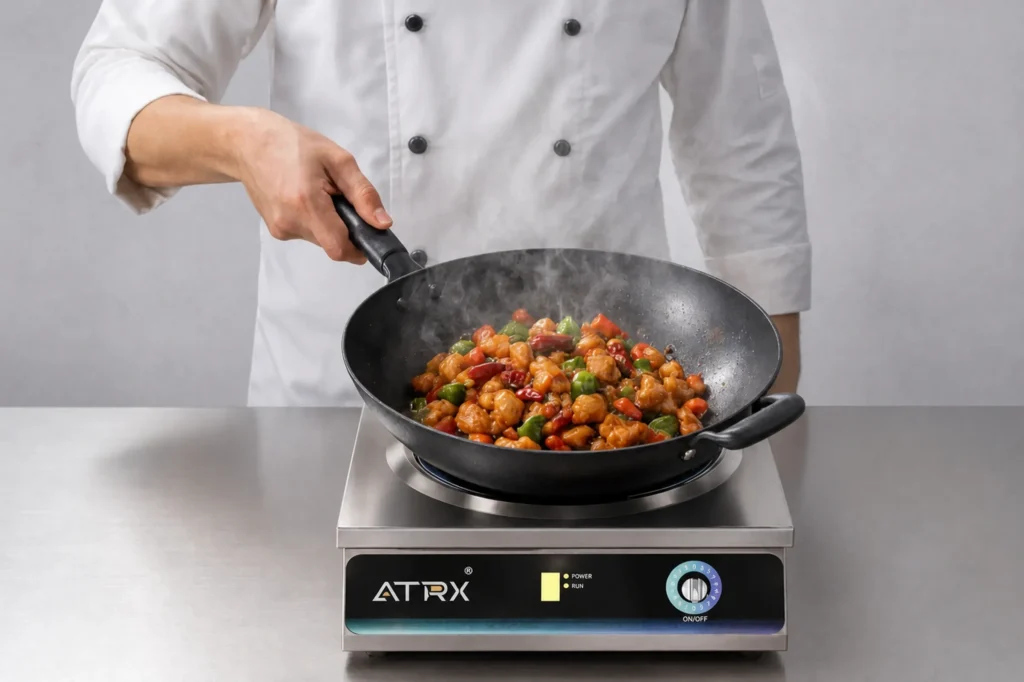
Commercial Induction Cooker 3500W: Model Selection, Commercial Power and Installation
09/29/2026
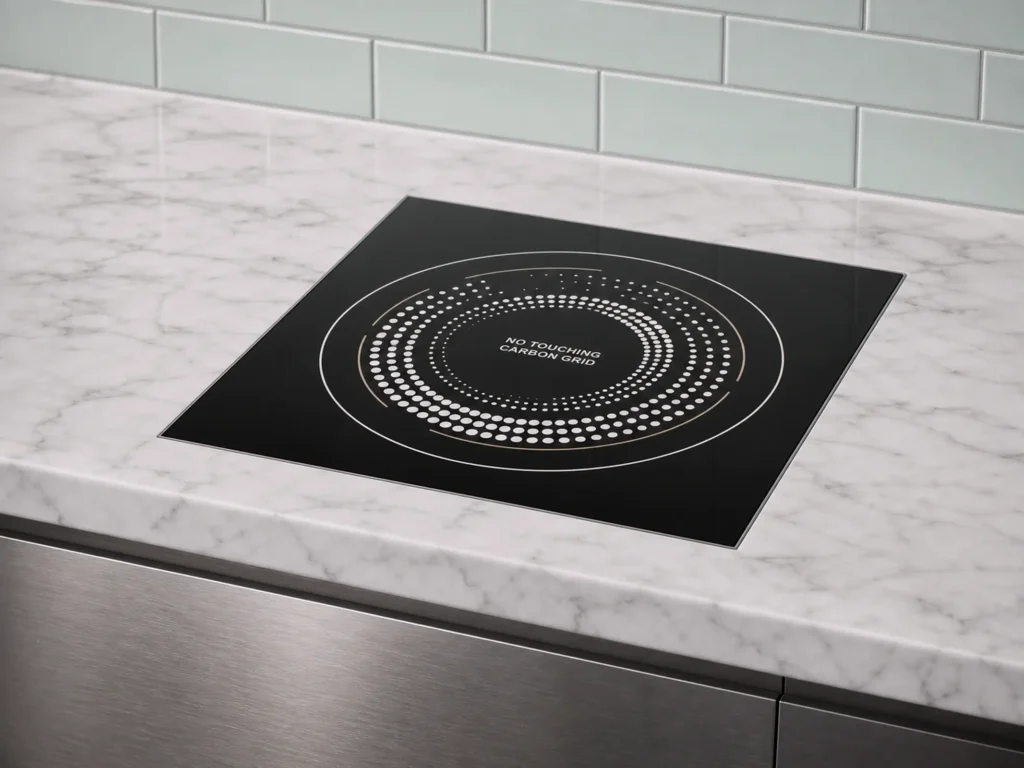
How to Install a Built-In Induction Cooktop: A Step-by-Step Guide
09/17/2026
How to Clean a Commercial Deep Fryer: A Step-by-Step Guide
09/13/2026
High Quality Commercial Induction Cooker Manufacturer
09/09/2026
Automatic Wok Machine: Types, Specifications, Applications and Buying Guide
08/18/2026
Commercial Induction Range: How to Choose the Right Size, Power, and Configuration for a Commercial Kitchen
08/15/2026
What Is a Commercial Induction Cooker and How Does It Work
08/13/2026
Commercial Induction Range for Hotel Kitchens: How to Choose the Right Model
08/11/2026