
About ATRX
ATRX — 18+ Years Commercial Induction Cooker Manufacturer in Dongguan, China
ATRX is a B2B company focused on commercial induction equipment. We provide distributors, importers and professional kitchen buyers with a clear starting point before the conversation moves to a product, factory capability or sourcing requirement.
Contact FactoryCheck ATRX Factory Video
What We Make
Full range of commercial induction cooking equipment — cooktops, wok ranges, fryers, griddles, soup cookers, and steamers. All designed, assembled, and tested in our own Dongguan factory.
Who We Serve
Distributors, importers, OEM brand owners, restaurant chains, and hotel procurement teams across 50+ countries. Sample units available for restaurant owners or buyers evaluating equipment.
How We Work
Factory-direct pricing with full OEM & ODM support. From one sample unit for hands-on testing to 3,000+ units per month in bulk production. CE, CB, and ETL certifications included.
WHAT YOU GET
What You Get When You Work With ATRX
We are not a trading company. We own the factory, run the production lines, and control quality from start to finish. Here is what that means for your business.
Every Unit Tested Before It Ships
4-stage inspection plus a 2-hour full-load burn-in test on every single cooker before packing. You receive test reports and production photos with your order — problems are found at our factory, not at your warehouse or your customer's kitchen.
OEM Samples Ready in 15 Days
Tell us the power rating, size, panel layout, control logic, and branding you need. Our in-house engineering team builds your sample in around 15 working days from confirmed brief. No middlemen, no back-and-forth with outside factories.
3,000+ Units Per Month, Stable Lead Times
Standard models ship in 25–30 days. Custom OEM orders deliver in 35–45 days after sample approval. Dedicated production lines for each product category keep lead times stable even during peak season, so your supply chain does not stop.
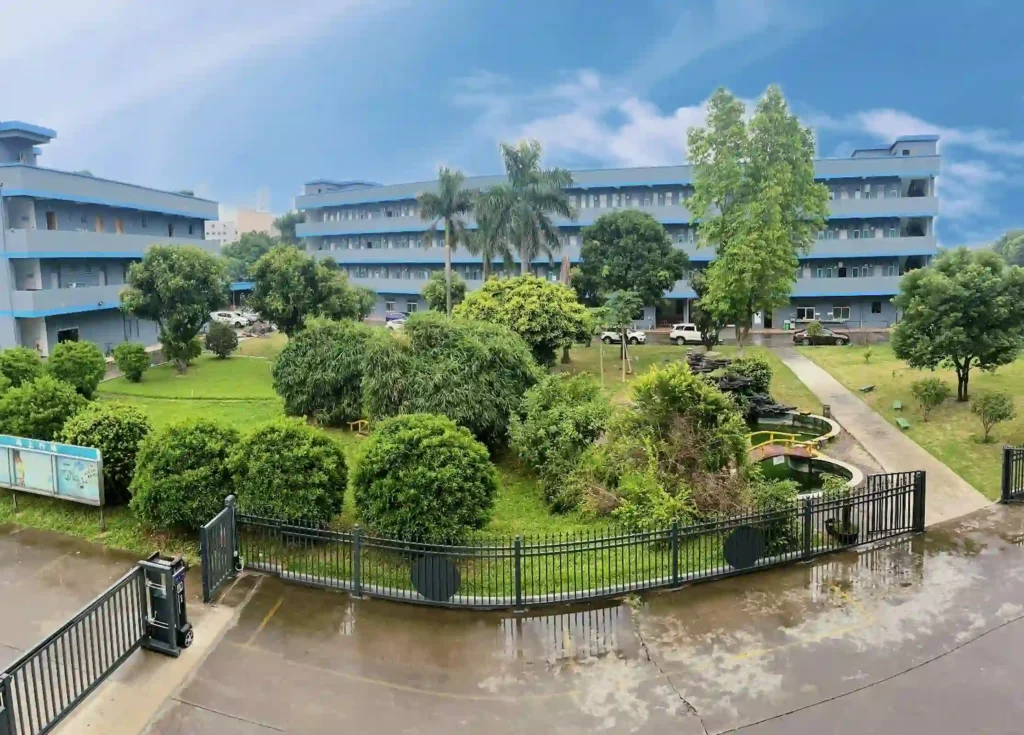
ATRX / factory overview
See the Full ATRX Commercial Induction Cooker Manufacturing Process
A 2-minute walkthrough of our Dongguan factory — front office, PCB assembly line, production floor, quality testing stations, and finished goods warehouse. What you see in this video is the same facility your order ships from.
01 / Production Floor
Where Your Cooker Is Built
Laser cutting, CNC bending, shell welding, and surface treatment — the full metalwork process runs on our own production lines from start to finish.
02 / PCB Assembly
Where the Core Parts Is Made
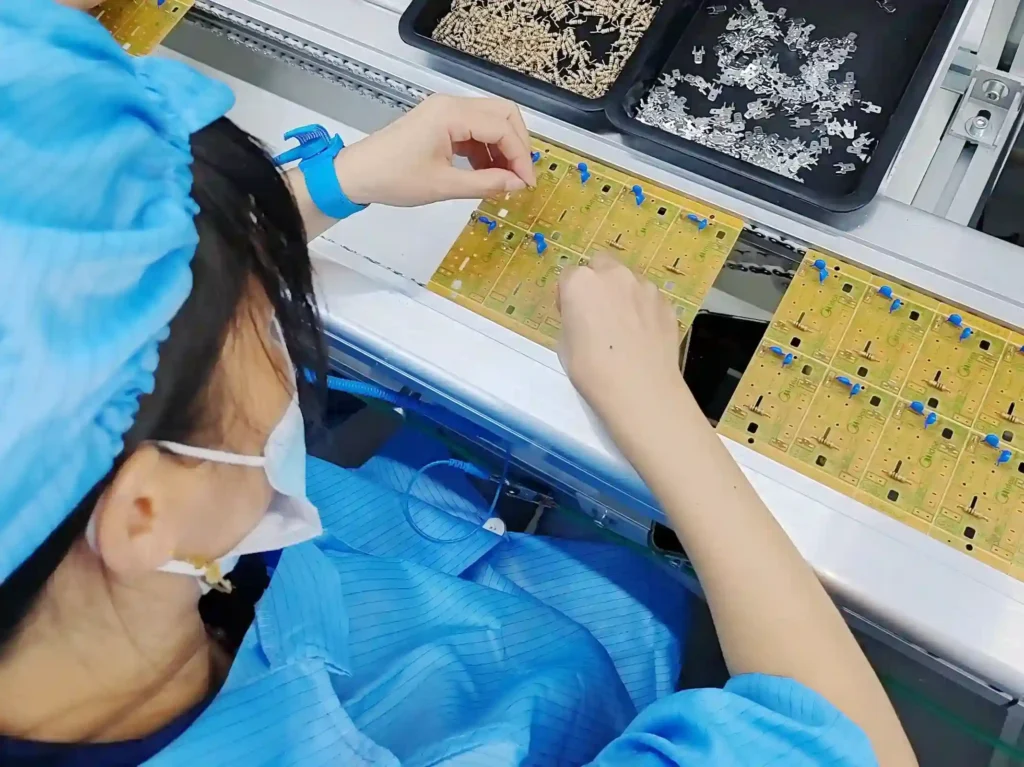
Dust-free PCB assembly room with in-house soldering, component mounting, and board-level testing. Every control board is built inside our factory.
03 / Quality Testing
Where Every Unit Gets Approved
4-stage in-line inspection and 2-hour full-load burn-in testing station. No cooker leaves the factory without a final QC sign-off and recorded test result.
Want more detail on our production process, quality standards, or OEM workflow? Visit the dedicated manufacturer page.
Inside the Facility
A closer look inside our factory.
These photos are taken directly from our Dongguan production site — the same facility where your order is manufactured, inspected, and packed. Swipe through to see the production lines, assembly stations, PCB workshop, testing area, and warehouse.
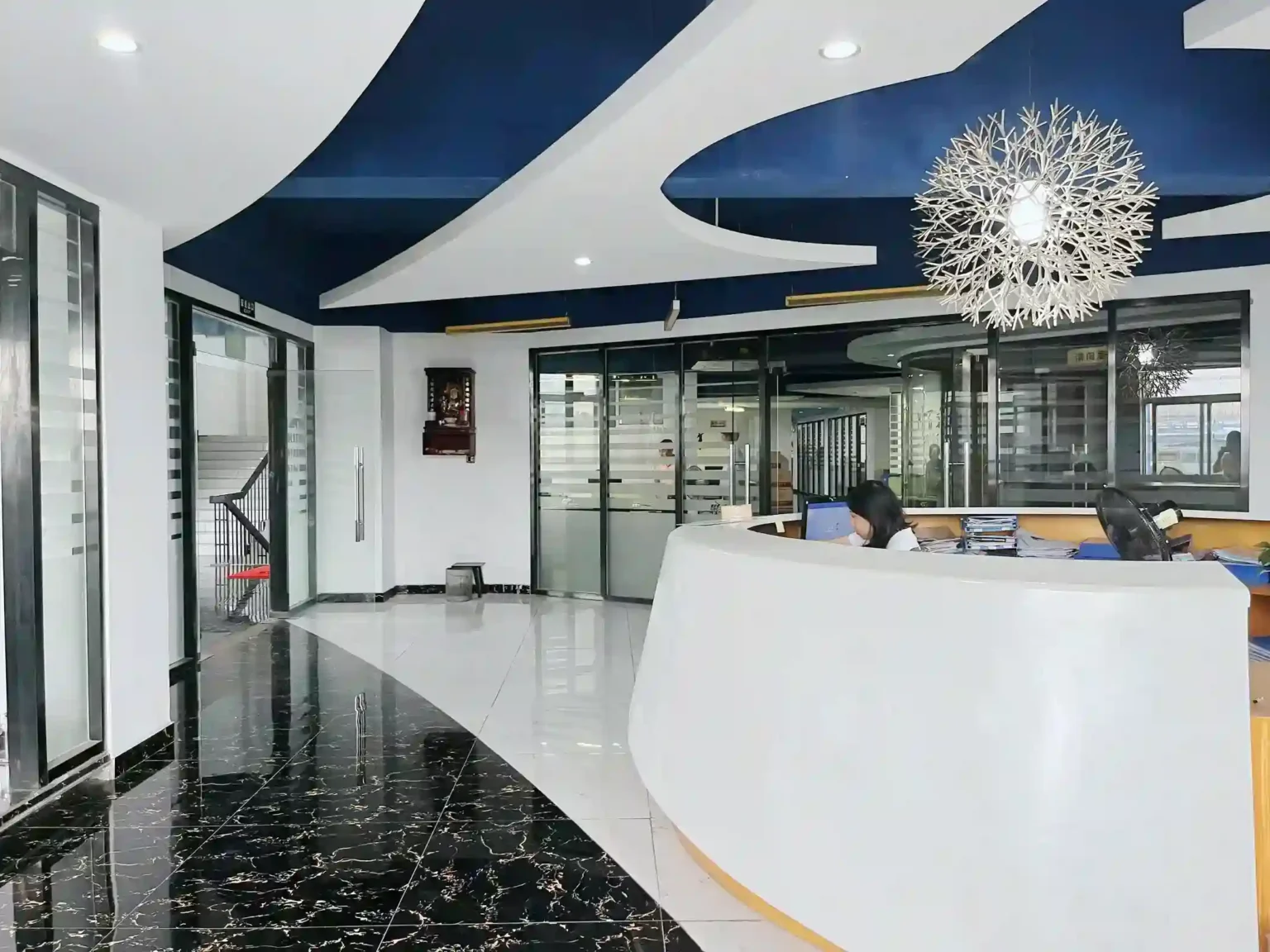
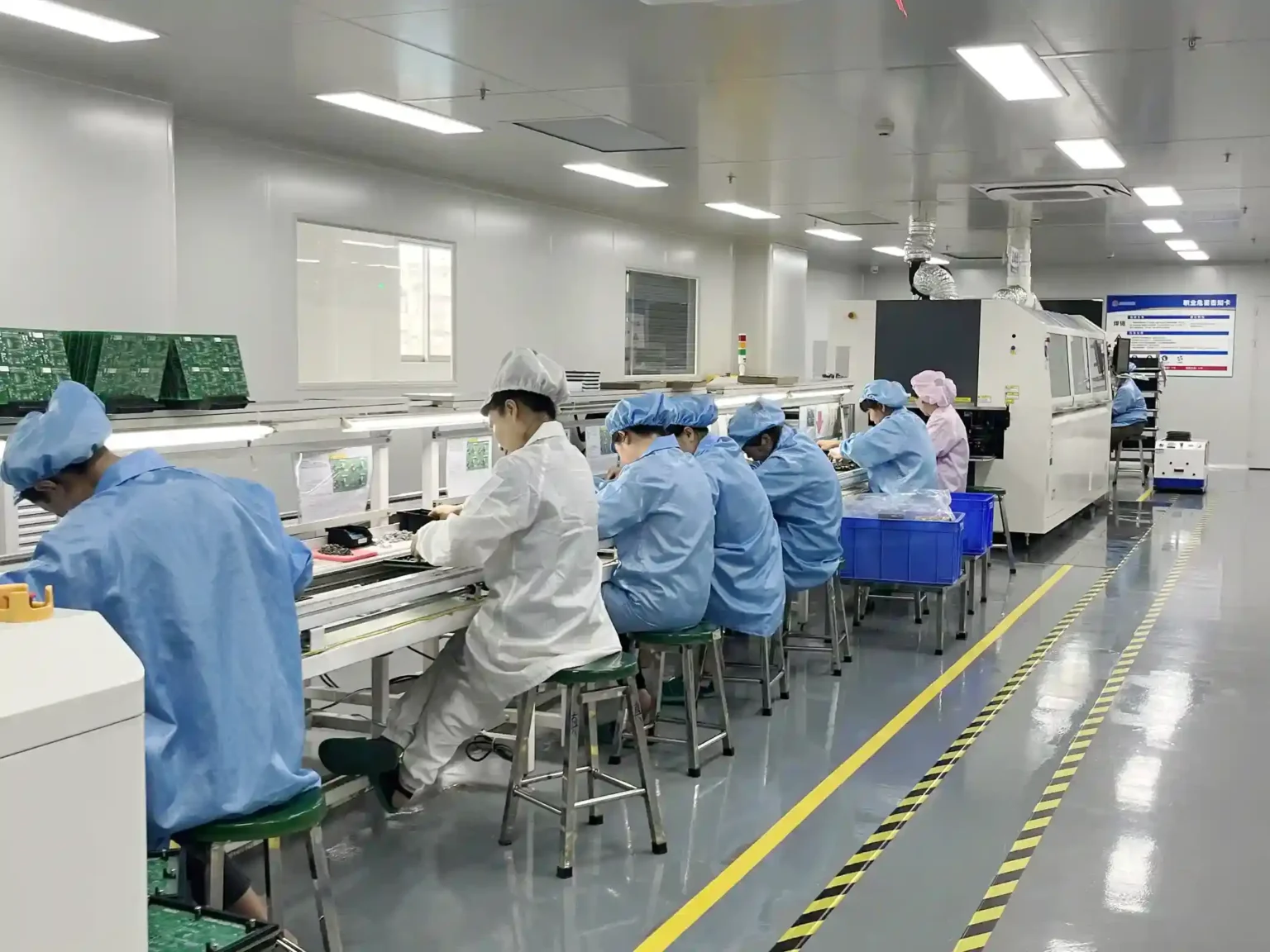
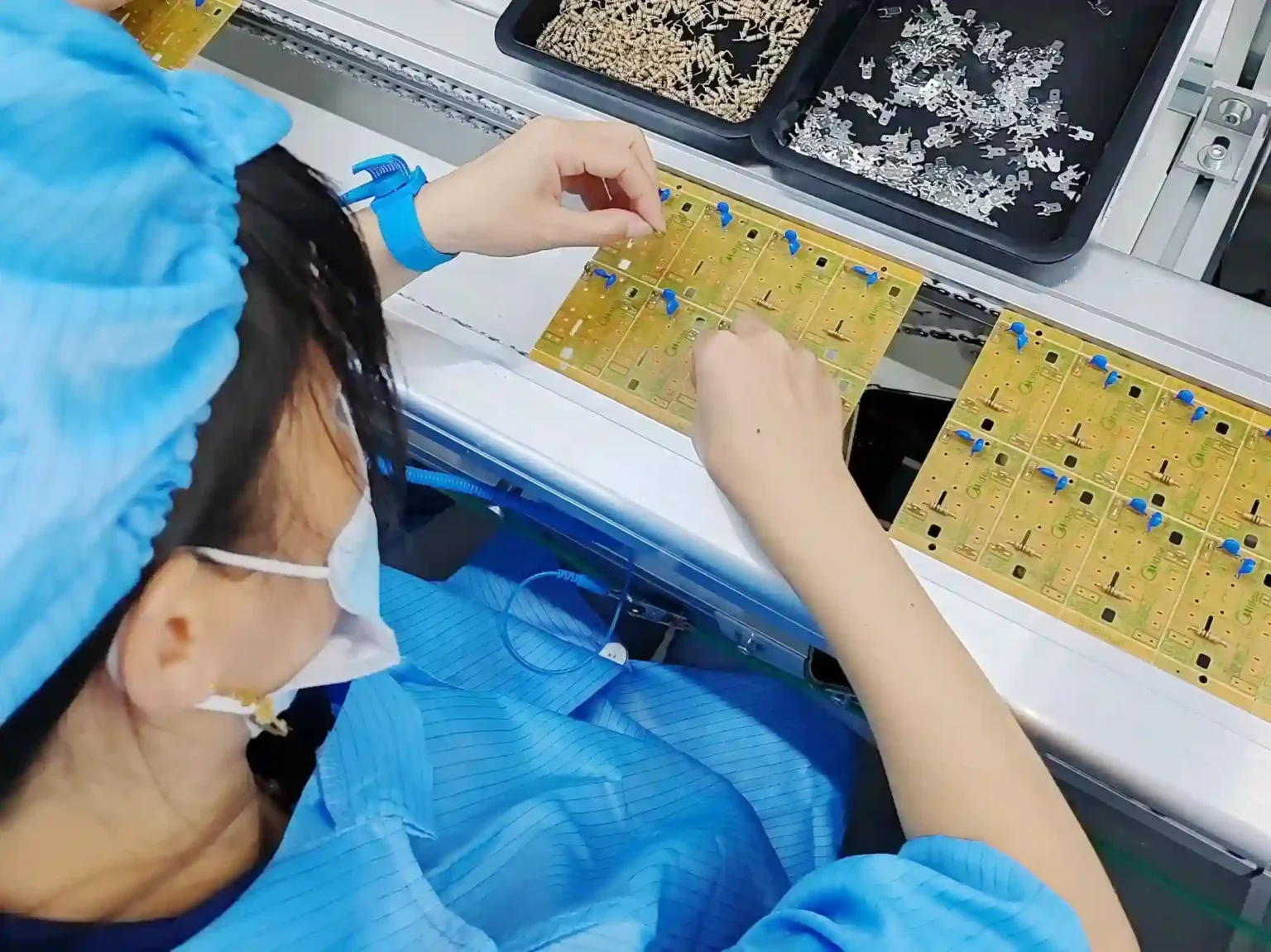
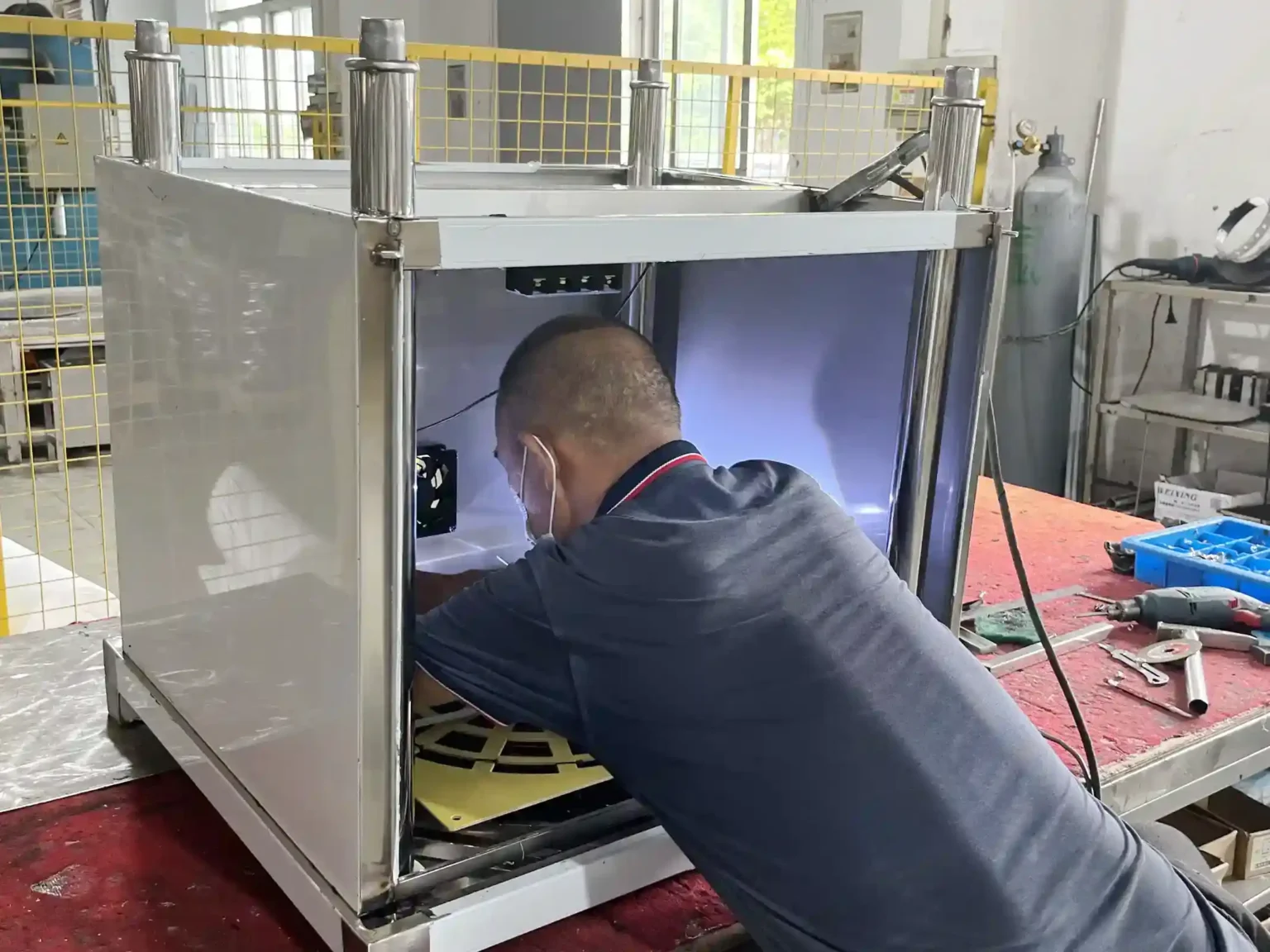
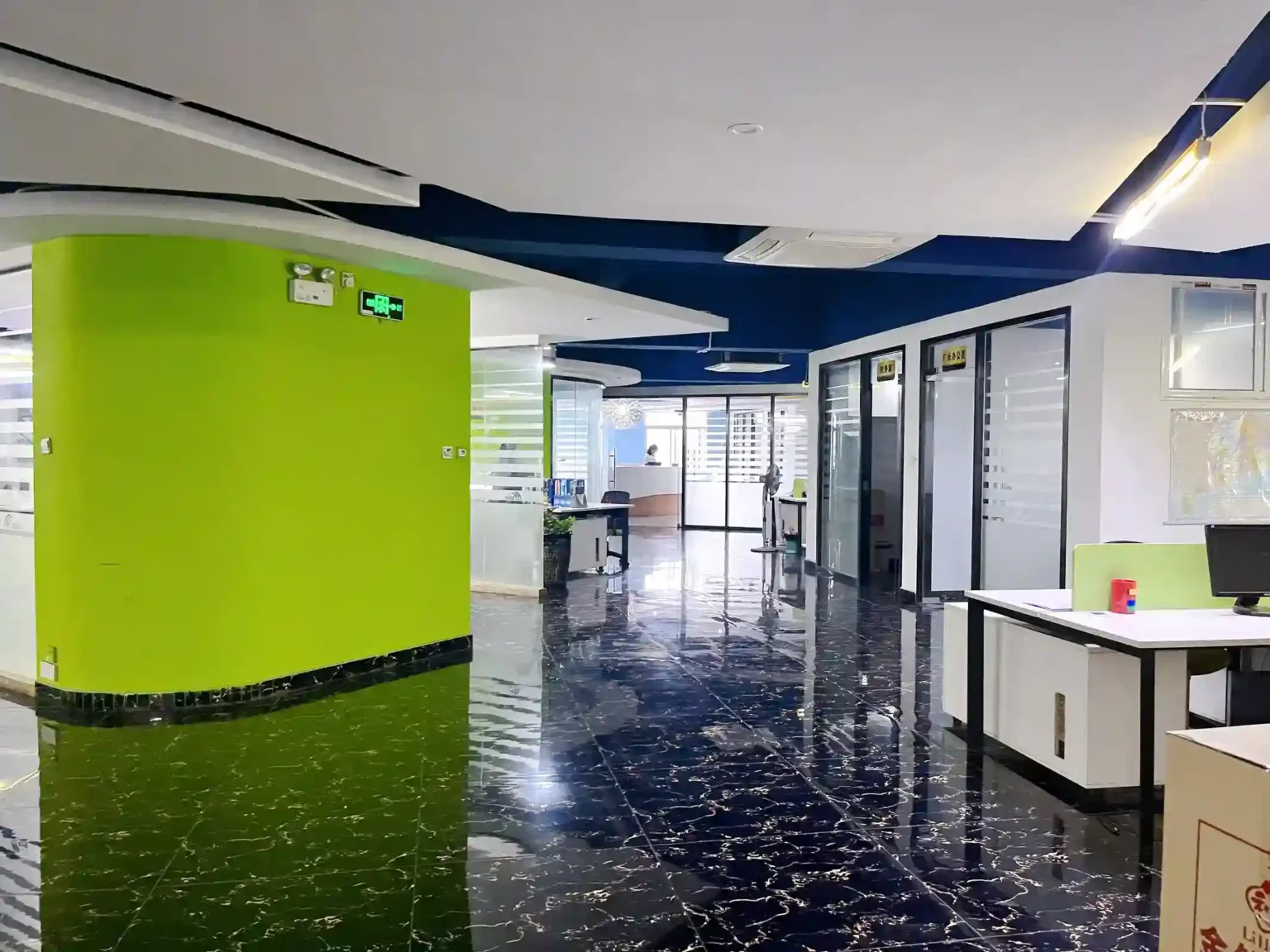
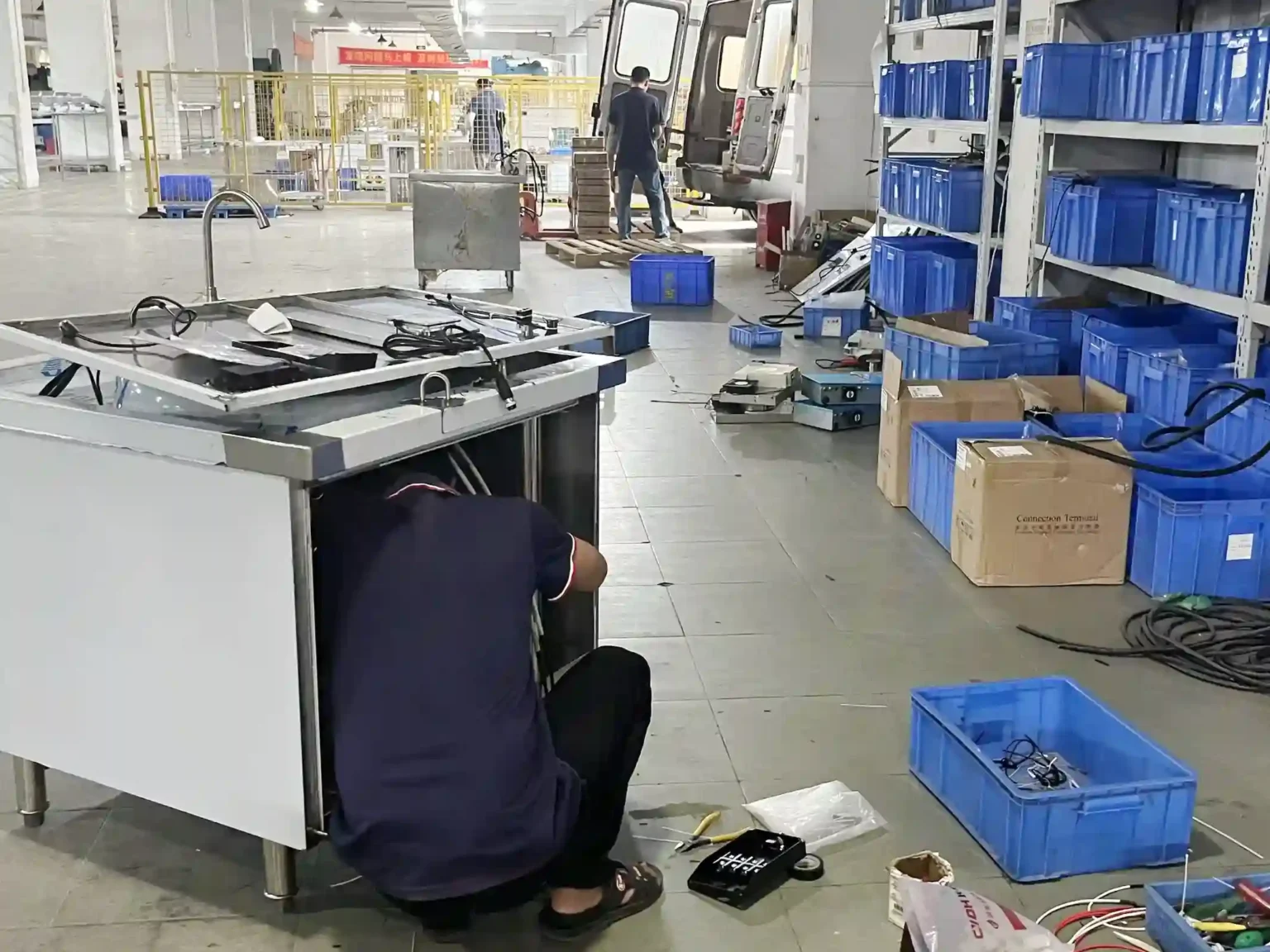
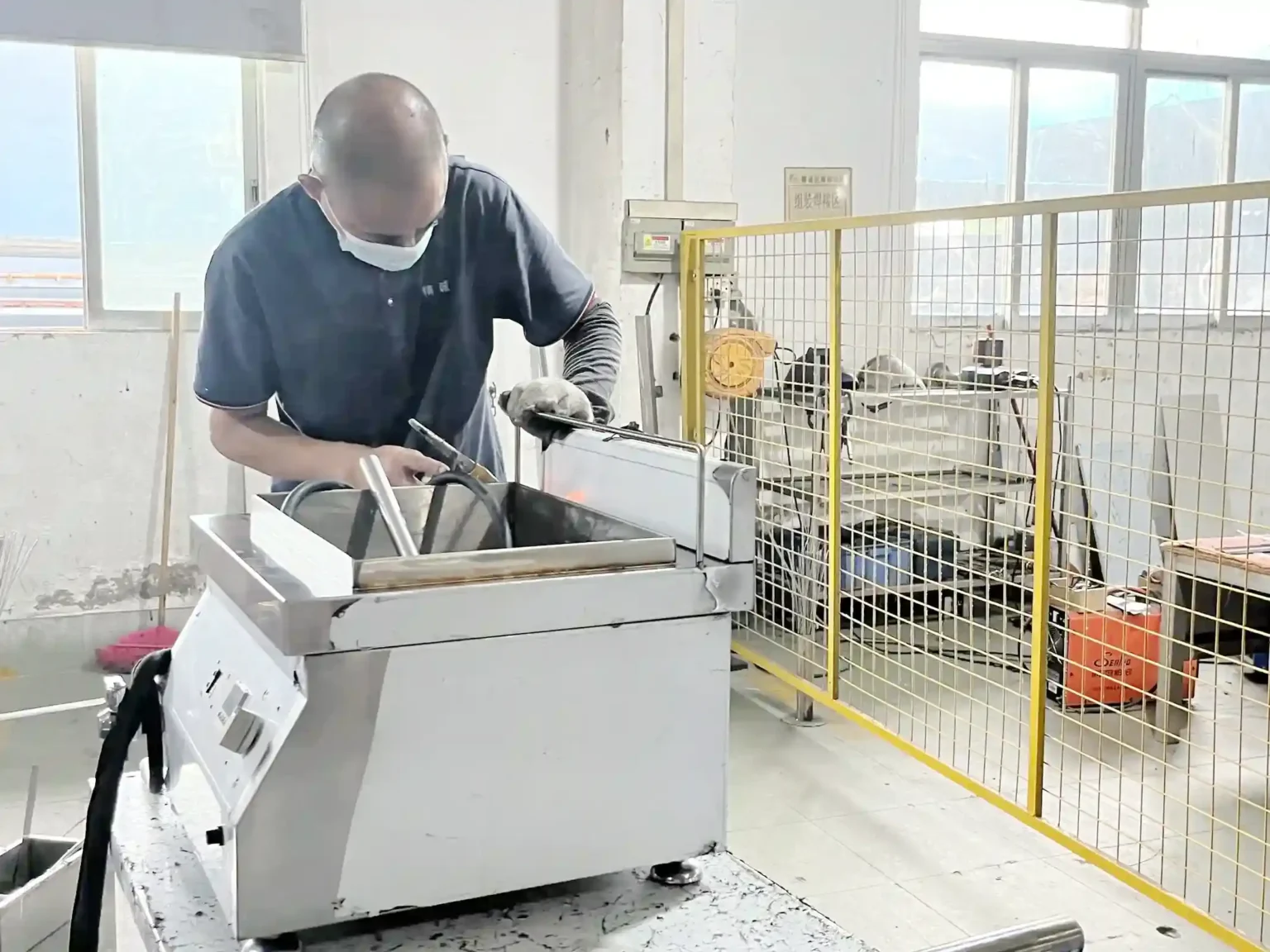
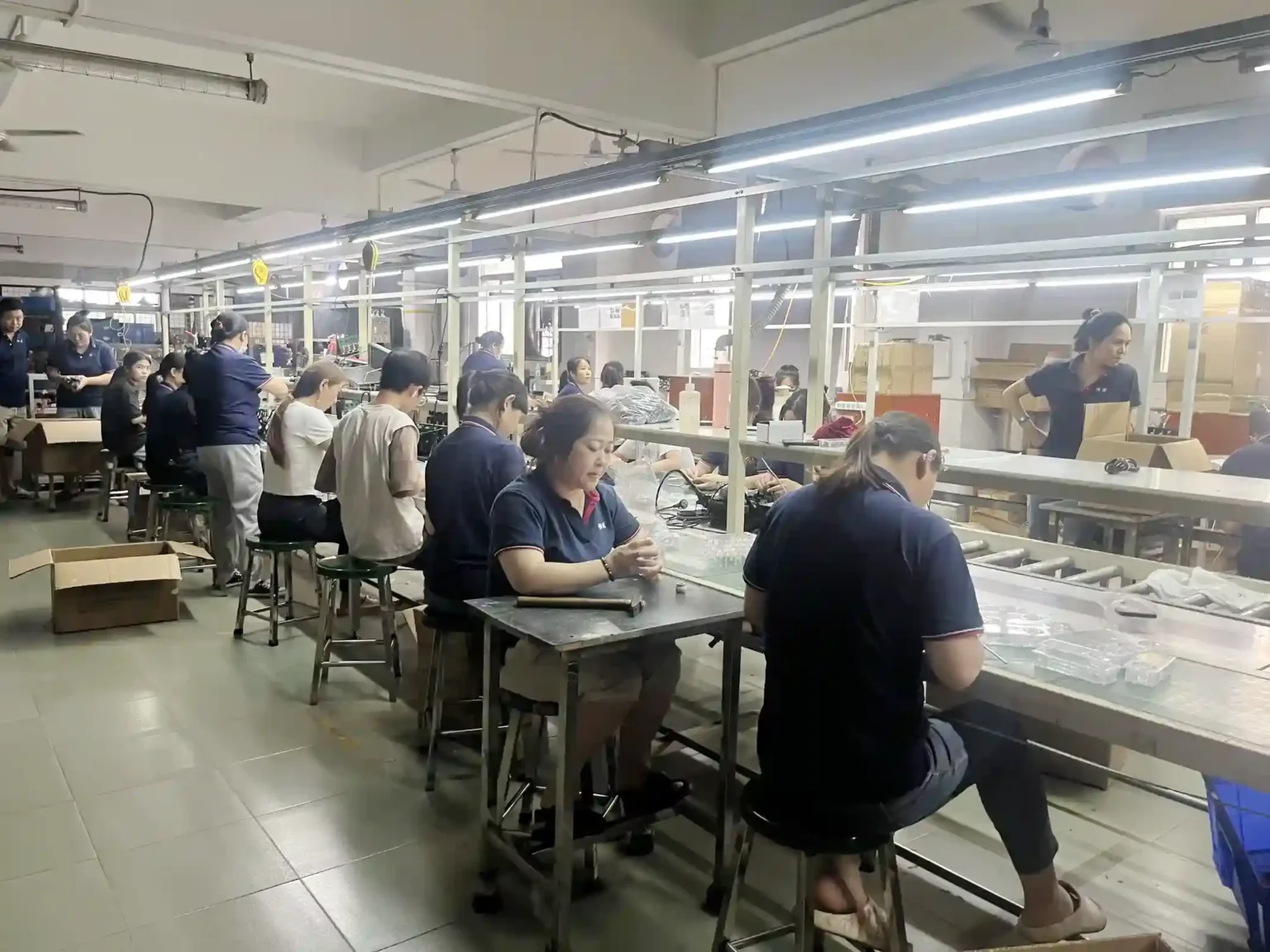
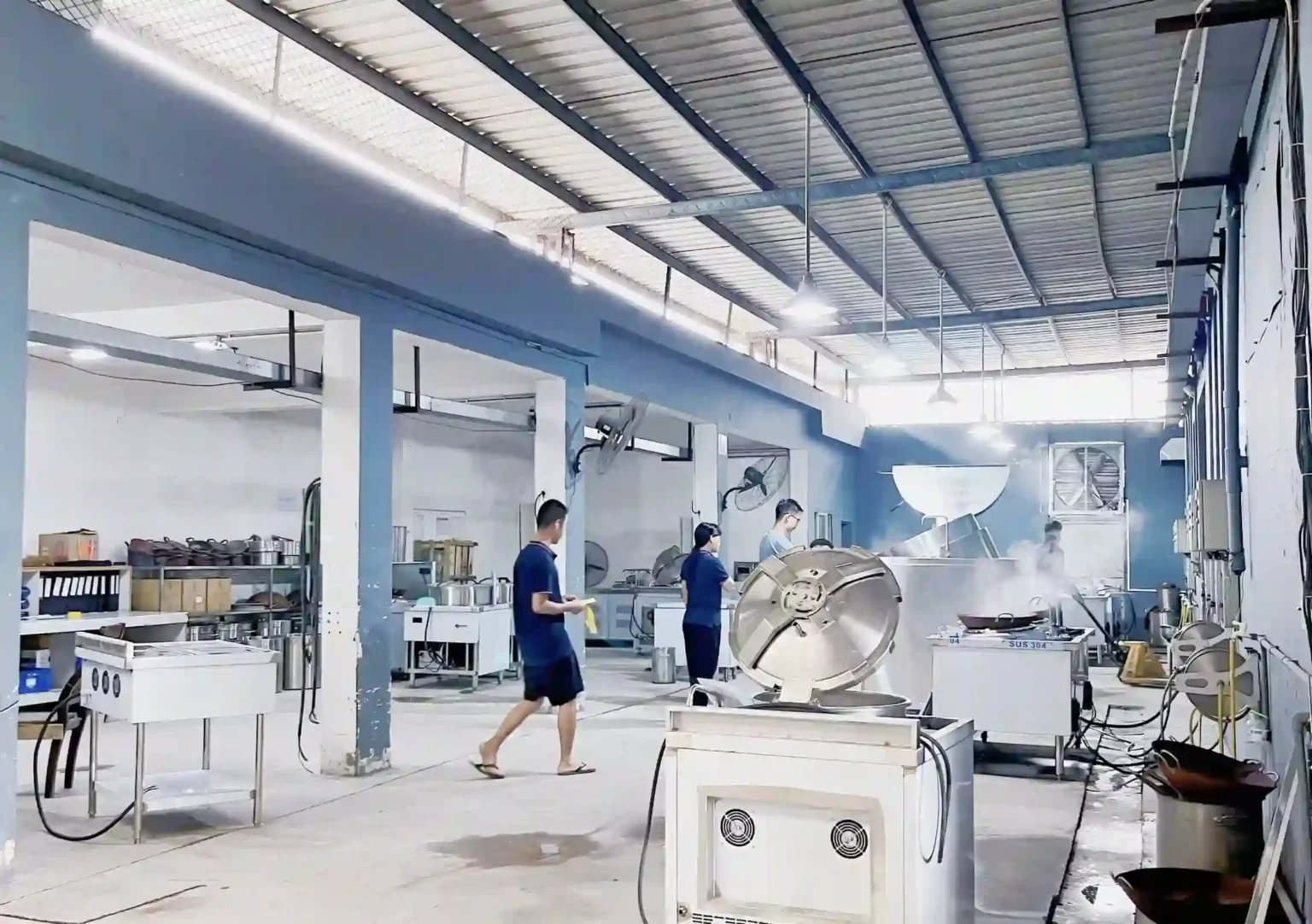
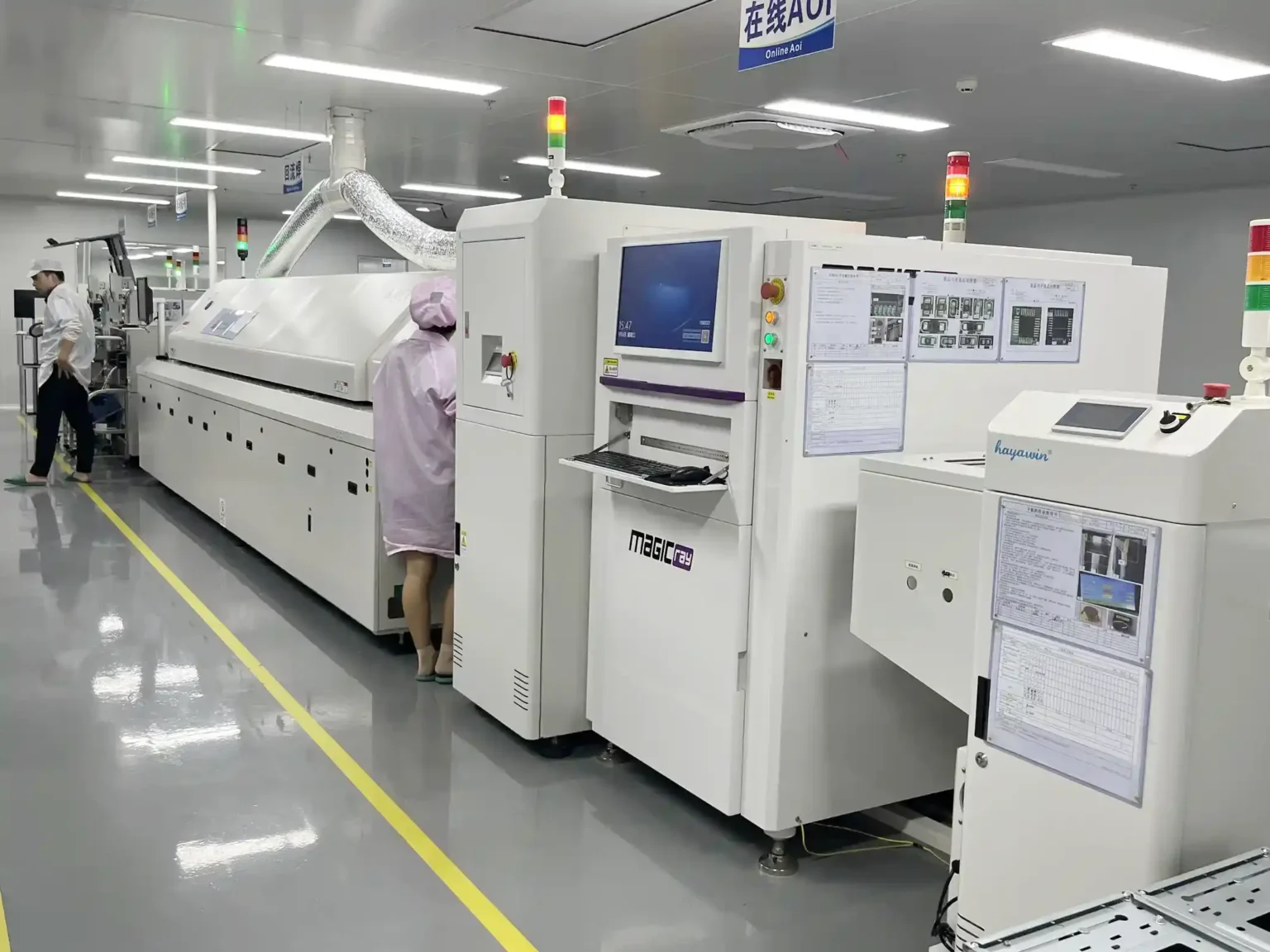
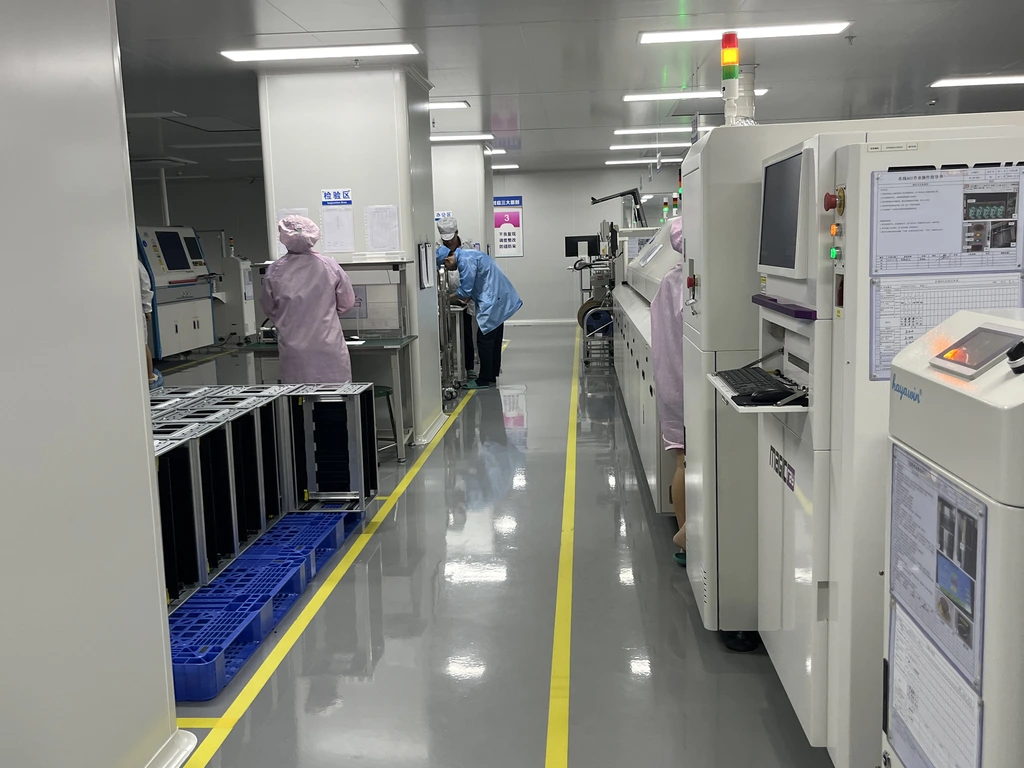
Use the arrows or swipe through the gallery to see different areas of the ATRX production facility.
Quality control / component to complete cooker
Every key component. Every finished cooker. One verification route.
Each ATRX commercial induction cooker follows a clear release route: verified critical parts and control checks during assembly, then complete-unit validation before shipment. The test equipment below adds controlled evidence for heat, humidity, corrosion, temperature change, response and stability.
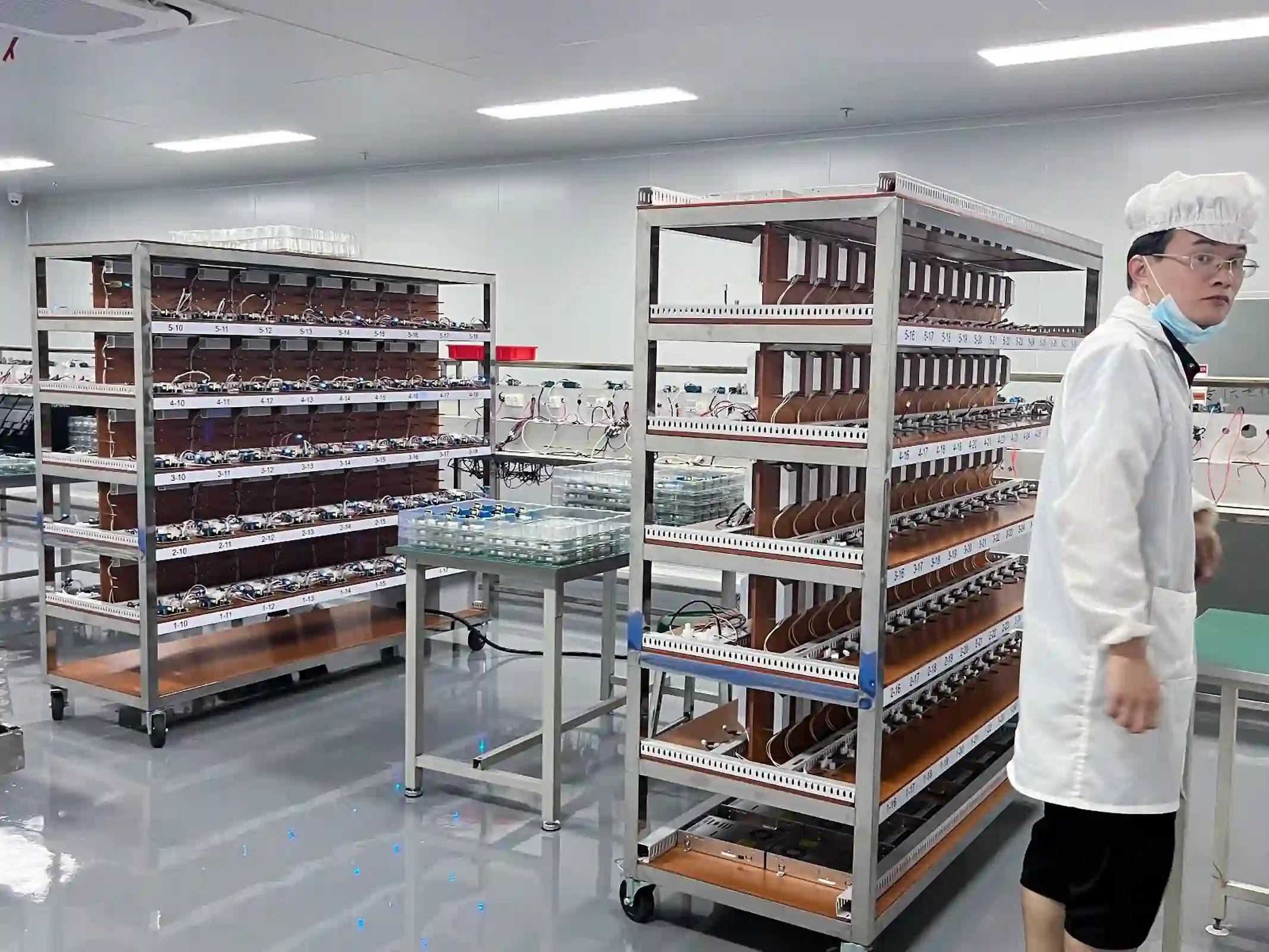
01
Component reliability
Before final assembly, core parts are checked against defined quality checkpoints. Controlled temperature, humidity, thermal-shock and salt-spray equipment supports reliability verification for relevant components.
02
Control response
During assembly, the cooker’s control system is checked for temperature-control response, creating a direct functional checkpoint before the complete unit enters final validation.
03
Whole-cooker validation
Every complete cooker is evaluated as an assembled unit, including stability and earthquake-resistance checks, before it can move to final quality release.
04
Quality release
No unit ships until all four checkpoints — component, control, whole-cooker, and final release — are signed off. Every order includes a QC report you can review before shipment.
Test equipment used across the quality route.
The testing equipment shown below is used on every production batch — so the unit you receive has already been verified for heat, humidity, corrosion, temperature shock, and long-term stability. All equipment is located on-site at our Dongguan factory and available for you to inspect during a factory visit. Contact us to schedule a tour — we will walk you through each station in person.
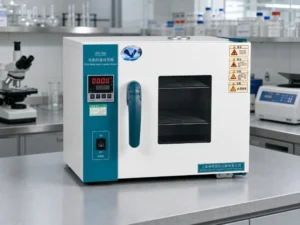
Electric Heating Constant Temperature Incubator
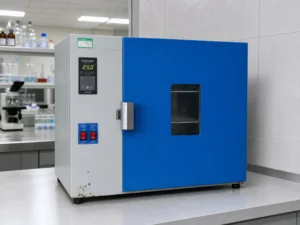
Intelligent Digital Constant Temperature Drying Oven
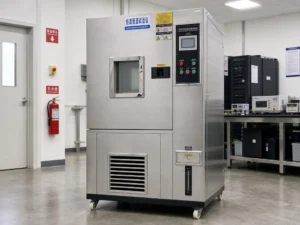
Constant Temperature and Humidity Test Chamber
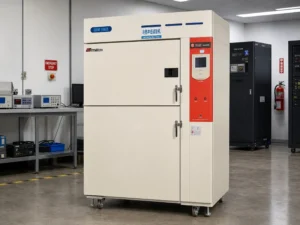
Thermal Shock Test Chamber
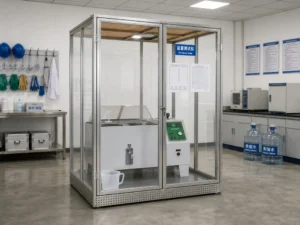
Salt Spray Test Chamber
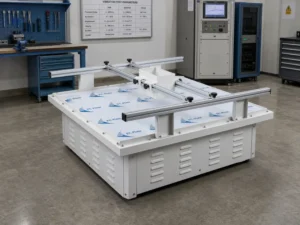
Vibration Test Machine
The ATRX team
Eight teams behind every commercial commitment.
Commercial induction supply is not supported by a single department. From product development and customization through production, quality, customer communication and export coordination, each function helps move a customer requirement forward.
01
R&D Department
Handles circuit design, thermal simulation, and new product development. When the market needs an induction model that does not exist yet, this is where it goes from concept to prototype.
02
Engineering Customization
Translates your OEM/ODM requirements into production-ready specs — power rating, panel layout, housing structure, and control logic, all adjusted to match your exact project brief.
03
Sales Department
Your single point of contact from first inquiry to confirmed order. Pricing, product matching, MOQ planning, and delivery scheduling — one person owns your full account end to end.
04
Marketing Department
Provides product images, videos, technical datasheets, and promotional assets to help you present and sell ATRX commercial induction products effectively in your local market.
05
Production Department
Runs the full manufacturing process — laser cutting, CNC bending, PCB assembly, and final unit assembly — across dedicated lines with a monthly output capacity of 3,000+ units.
06
Quality Control
Executes 4-stage in-line inspection and a 2-hour full-load burn-in test on every unit before packing. No cooker leaves the factory without a recorded QC sign-off on file.
07
After-Sales Support
Responds within 24 hours for troubleshooting via video call. Handles warranty claims, replacement part shipments, and spare parts stocking plans for committed long-term partners.
08
Logistics & Export
Manages packing specification, container loading, customs documentation, and freight coordination. Supports FOB, CIF, and door-to-door delivery to buyers across 50+ countries.
Navigate your research
Choose the next page based on the question you need to answer.
ATRX keeps company orientation separate from detailed product and factory information, helping visitors move from a company-level view to the information needed for a sourcing evaluation.
01
Factory & OEM Capability
Explore our 20,000㎡ production facility, in-house PCB assembly, full manufacturing workflow, and OEM/ODM customization process — from your brief to finished product.
Manufacturer page ↗
02
Equipment Types & Models
Browse every commercial induction cooker we make — cooktops, wok ranges, fryers, griddles, soup cookers, and steamers — with specs, photos, and power options for each model.
Products page ↗
03
After-Sales & Support
Learn how ATRX handles warranty claims, spare parts supply, 24-hour video troubleshooting, and long-term technical support for distributors and end users.
After-sales page ↗
Frequently asked questions
Questions about ATRX.
Common questions from distributors, importers, and restaurant owners before they start working with us.
Where is ATRX located and can I visit the factory?
ATRX is based in Dongguan, Guangdong Province, China — one of the country’s largest manufacturing hubs for commercial kitchen equipment. Our factory is open for on-site visits. Contact our sales team to schedule a tour and we will arrange a full walkthrough of the production floor, PCB assembly room, and testing stations.
How long has ATRX been in the commercial induction business?
ATRX was founded in 2007 with over 18 years of manufacturing experience. While our factory produces a range of kitchen equipment, our export business is focused exclusively on commercial induction cookers. Every product we ship internationally — from cooktops and wok ranges to fryers and steamers — is commercial-grade induction equipment built for professional kitchens.
Does ATRX sell directly or only through distributors?
Both. We work with distributors, importers, and OEM brand owners as our core business. At the same time, restaurant owners, hotel procurement teams, and chain operators can purchase directly — including single-unit sample orders for hands-on equipment evaluation before a larger rollout.
What makes ATRX different from other commercial induction cooker factories in China?
We control the entire production chain in one facility — from sheet-metal fabrication and PCB assembly to coil winding, final assembly, and full-load burn-in testing. Most factories outsource at least one of these steps. At ATRX, everything happens under one roof, which means tighter quality control and faster turnaround on custom orders.
How do I start working with ATRX?
Send us your requirements — product type, quantity, voltage, power, and any customization needs. Our sales team responds within 24 hours with product recommendations, pricing, and lead time. If you prefer to evaluate first, we can arrange a sample unit shipped directly from our factory.
ATRX / COMMERCIAL INDUCTION
Ready to turn your research into a commercial conversation?
Talk To ATRXReview manufacturer detail