

Best Commercial Induction Cooktop for Restaurant: Types, Specs & Buying Guide (2026)
07/26/2026
Estimated reading time: 2 minutes

This commercial induction cooktop buying guide helps you sort out everything before placing an order — what wattage you need, which cooktop type to choose, which specs actually matter, and whether your kitchen’s electrical circuit and cookware are up to the task. We break it down by restaurant size and kitchen scenario with specific recommendations, and call out the most common installation pitfalls upfront so you don’t waste money or push back your opening day.
IN THIS ARTICLE
Top Commercial Induction Cooktop Picks for Restaurants (By Wattage & Type)
Choosing the best commercial induction cooktop for restaurant use boils down to two things: matching the right wattage and picking the right form factor. By commercial induction cooktop wattage: 3500W works well for cafés, light-meal shops, and food trucks. 5000W hits the sweet spot for mid-sized restaurants and hotel kitchens that need sustained output. 8000W and above is built for large commercial kitchens pushing through high-volume peak hours. By commercial induction cooktop types: countertop portables fit food stalls and buffet stations, built-ins belong in hot pot restaurants and open kitchens, multi-burner freestanding ranges suit Western fine-dining kitchens plating multiple dishes at once, and concave wok burners are made specifically for Chinese stir-fry.
Below, we go through each wattage tier and equipment type with specific recommendations for different restaurant formats. If you’re still getting familiar with how commercial induction works, how it differs from residential units, or where each wattage tier fits in, start with our complete guide to commercial induction cooktops first, then come back here for model-level decisions.
Recommended by Restaurant Size: Which Model for 3500W, 5000W, and 8000W?
1. 3500W — Recommended for Cafés, Light-Meal Shops, Dessert Counters, and Food Trucks
If you run a small-format business with a fairly relaxed service pace, 3500W is the best place to start. Units in this range are compact, easy on your electrical circuit (most run on standard 220V), and ideal when kitchen space is tight or three-phase power isn’t available. Boiling water, heating soup, frying eggs, making sauces — everyday light-to-medium tasks are well within reach. Low energy draw and simple controls also make them extremely cost-friendly for small operations.
On Reddit’s food-service communities, a chef running a small restaurant shared that he uses multiple 3500W portable induction units for daily service and finds them on par with gas burners in speed — with much easier cleanup. In a separate r/Chefit discussion, multiple professional cooks confirmed the same point: one noted that “3500W should keep up with a gas range,” while another added that a 3500W induction unit “blows away” a comparable 12,000 BTU gas burner in real kitchen use (source: r/Chefit). That lines up with what we see during product testing: for low-volume kitchens, 3500W gets the job done without overcomplicating things.
2. 5000W — Recommended for Mid-Sized Restaurants, Hotel Kitchens, and Catering Centers
Once your restaurant hits mid-scale and needs to keep plates moving non-stop through lunch and dinner rushes, 5000W is the tier to target. It heats noticeably faster than 3500W and handles continuous wok tossing, high-volume boiling, and sustained frying without losing temperature. At the same time, it doesn’t come with the heavy electrical and ventilation demands of bigger units.
Put simply, 5000W is where “service speed” and “operating cost” balance out. Most mid-sized food-service operations should build their kitchen around this tier. Getting your commercial induction cooker wattage selection right at this stage saves you from both underpowered service and unnecessary infrastructure costs.
3. 8000W — Recommended for Chain QSR Central Kitchens, Large Banquet Hotels, and Institutional Cafeterias
For large commercial kitchens dealing with extreme peak-hour demand, 8000W or higher is the answer. The main advantage: blazing-fast heating and sustained high output. A large pot of water reaches a rolling boil in minutes. Wok temperature bounces back almost instantly between stir-fry rounds. Multiple back-to-back plating cycles never feel sluggish.
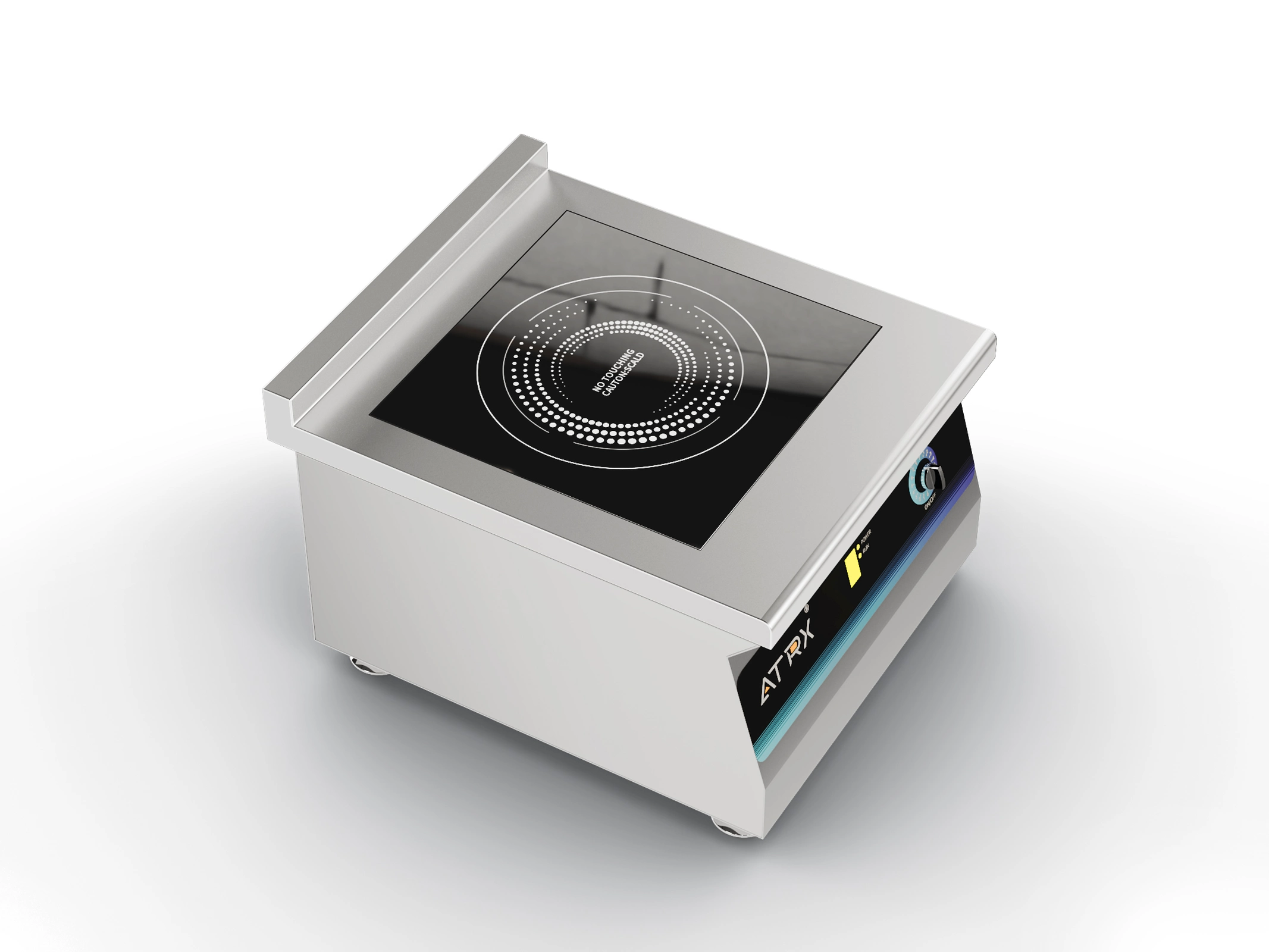
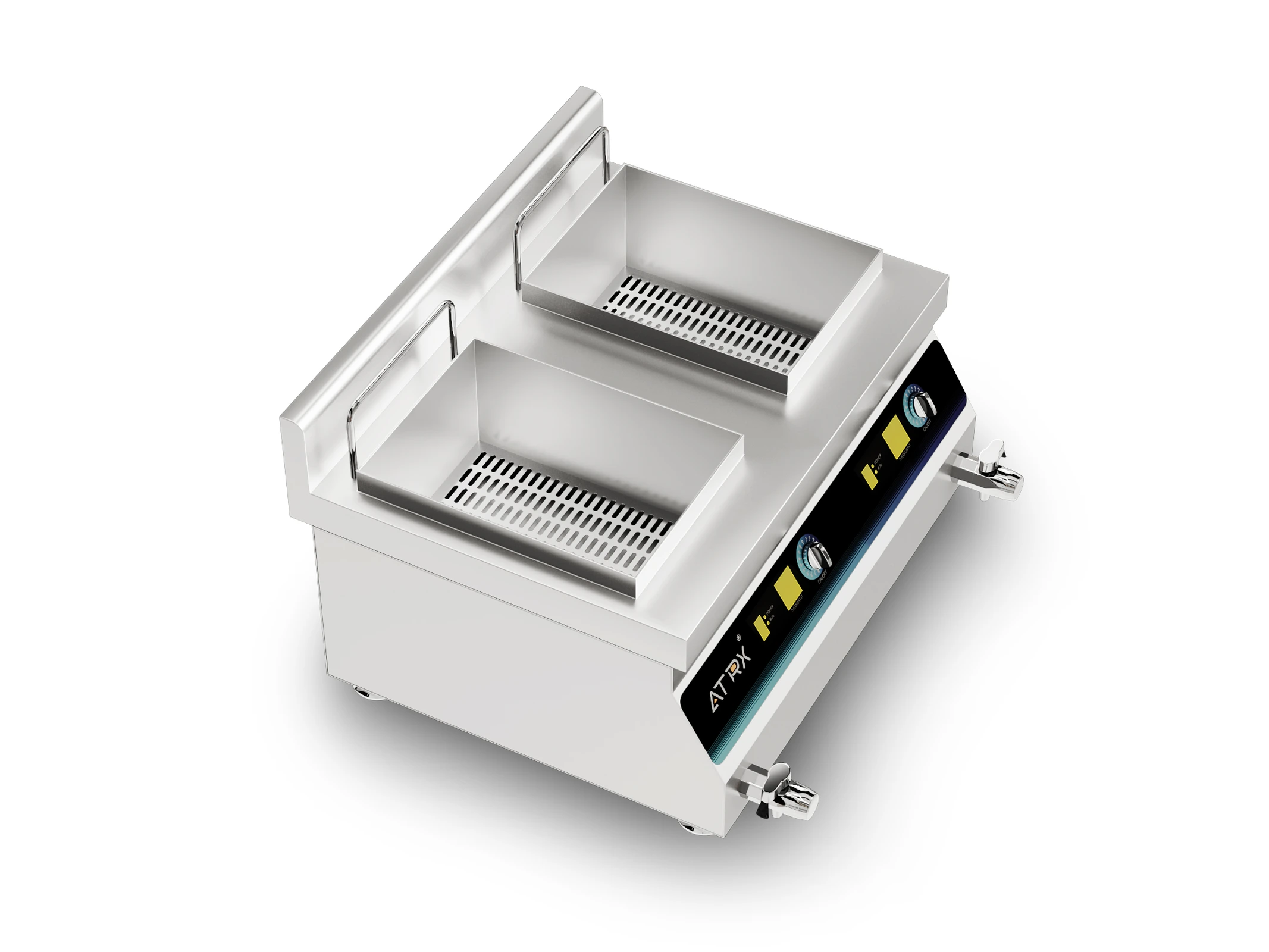
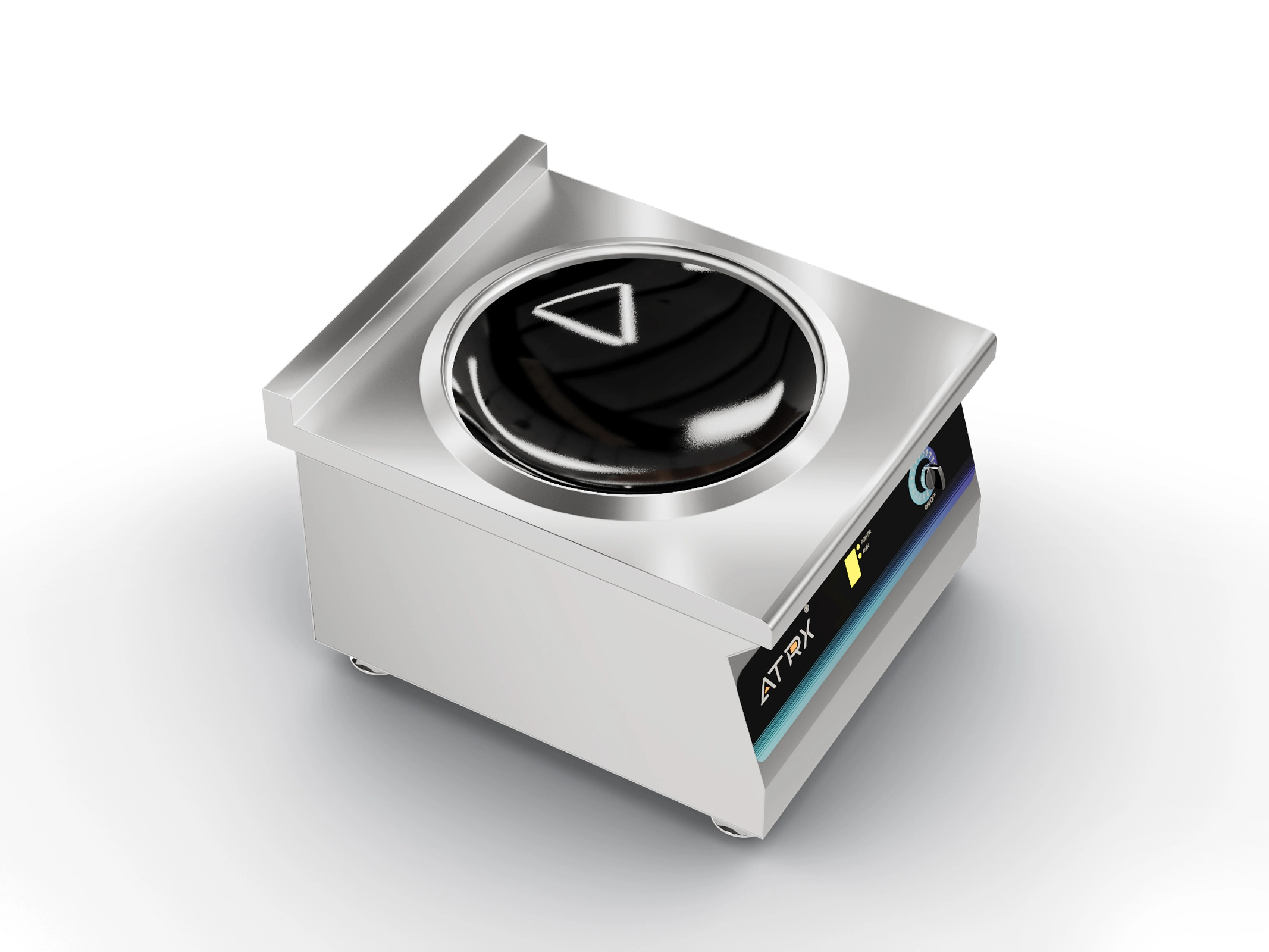
This tier typically requires 380V three-phase power, and the equipment is bigger and heavier — best suited for kitchens with enough room and proper electrical infrastructure. If you’re plating several hundred servings a day or more, 8000W delivers a step-change in back-of-house throughput.
The table below sums up the key differences across wattage tiers at a glance:
| Comparison | 3500W | 5000W | 8000W |
|---|---|---|---|
| Recommended Restaurant Type | Cafés, light-meal shops, food trucks, dessert counters | Mid-sized restaurants, hotel kitchens, catering centers | Chain QSR central kitchens, large banquet hotels, school/factory cafeterias |
| Power Supply | Standard 220V household power | 220V or 380V (model-dependent) | 380V three-phase (required) |
| Heating Speed | Handles light-to-moderate cooking; boils a small pot in ~3–4 min | Excels at medium-to-high intensity; sustained plating with no temperature drop | Ultra-fast heating; large pot boils in minutes; peak-hour plating with no power loss |
| Suitable Cooking Tasks | Boiling water, heating soup, frying eggs, making sauces, light frying | Continuous stir-fry, deep frying, braising, batch prep | High-heat stir-fry, large-batch boiling, intensive peak-hour continuous plating |
| Equipment Size & Installation | Compact and lightweight; no special installation needed | Medium-sized; some models require professional wiring | Large; requires professional electrical setup and fixed installation |
| Daily Output Reference | Under 100 servings | 100–400 servings | 400+ servings |
Recommended by Kitchen Scenario: Countertop, Built-In, Freestanding & Wok Burner
Commercial countertop induction cooktop — Best for food stalls, buffet stations, and space-tight small kitchens. The biggest selling point is plug-and-play simplicity. No cutouts, no permanent install, no dedicated counter space. If your stall has barely a meter of workspace, or your buffet line needs live heating and warming, a countertop unit is pretty much the only practical option. They’re also popular with first-time restaurant owners on a lean budget — lowest upfront cost, fastest setup, and fully portable if you move locations.
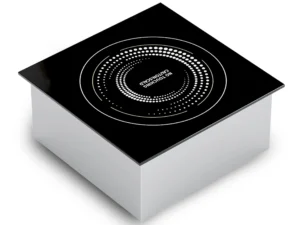
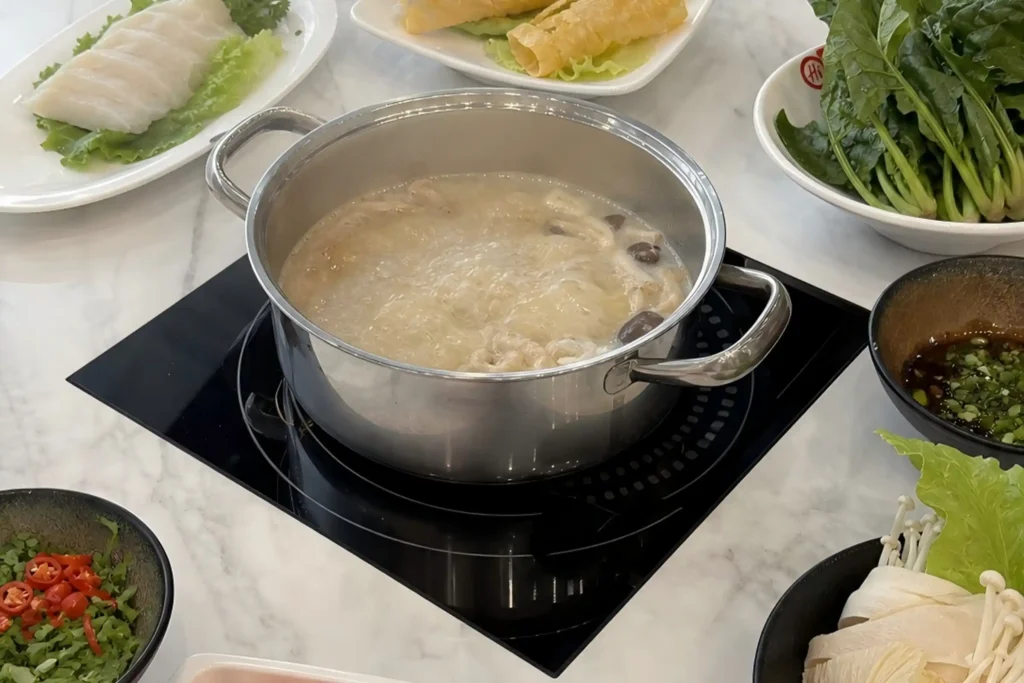
Built-In Induction Cooktops — Best for hot pot restaurants, Japanese shabu-shabu shops, and open display kitchens. The body hides below the surface with only the glass panel showing, flush with the tabletop. Clean, space-efficient, and a natural fit for “one table, one burner” dining. In hot pot and shabu-shabu formats where guests control the heat themselves, built-ins beat external cooktops on both safety and tidiness. When buying, check whether the cutout size matches your existing table or counter, and whether the unit supports wired remote control so back-of-house staff can manage temperature and power centrally.
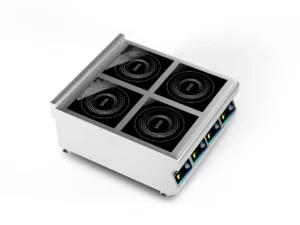
Multi-Burner Freestanding Induction Ranges — Best for Western fine-dining kitchens and large banquet operations plating multiple dishes at once. These come with two, four, or even six independent burners, each with its own temperature control. One range handles searing, boiling, braising, and sautéing simultaneously — a major boost to parallel workflow during peak service. The stainless-steel cabinet also gives you extra storage, which matters when every inch of counter space counts.
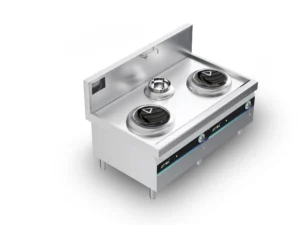
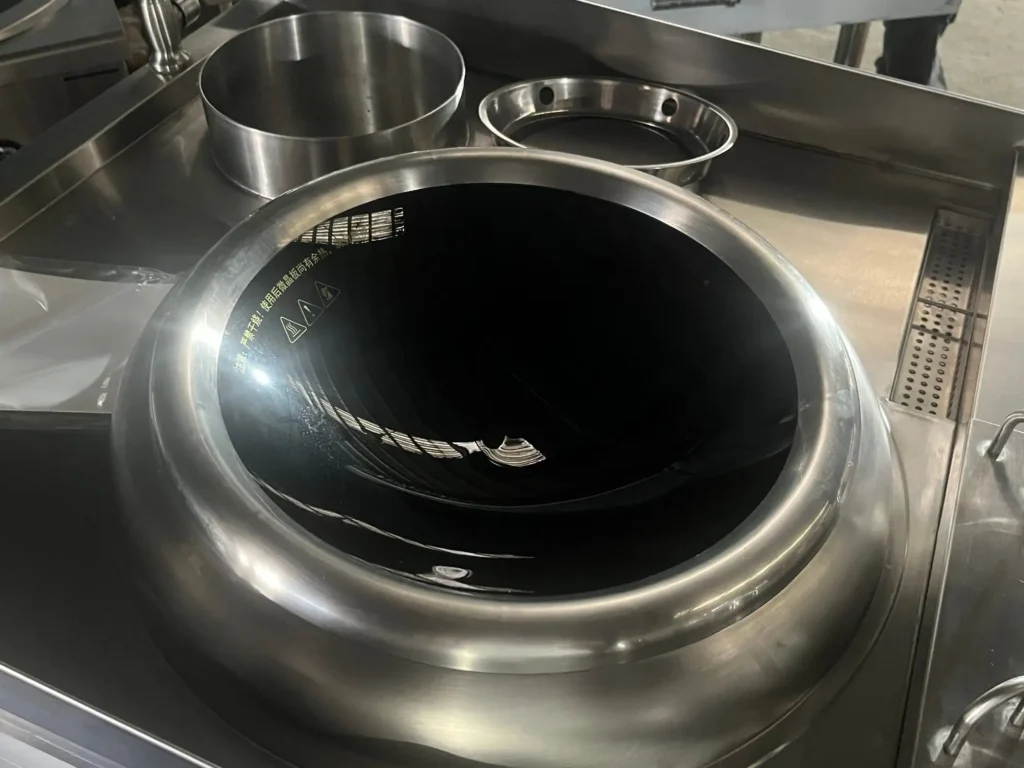
Concave Wok Induction Burners — Best for Chinese stir-fry restaurants, street-food kitchens, and fast-casual stir-fry stations. This is a purpose-built cooktop for round-bottom Chinese woks. The concave surface cradles the wok’s curve for more even heat and smoother tossing. Pair it with 8000W+ output, and you get real “fierce flame, fast stir-fry” performance. If stir-fry is the heart of your menu, a concave wok burner is essentially irreplaceable — it’s the first time induction can genuinely stand toe-to-toe with open flame in Chinese high-heat cooking.
The four form factors above focus on “which scenario calls for which cooktop.” But differences in internal heat dissipation, chassis load-bearing design, and long-term maintenance costs matter too — they directly affect how long the unit lasts and how easy it is to service. For an in-depth engineering comparison of countertop, built-in, and freestanding structures, see our detailed breakdown of commercial induction cooktop structure types.
Key Specs & Performance Differences to Focus On When Buying
When evaluating commercial induction cooktop specs, four core parameters get overlooked most often — and they’re the ones most likely to make or break your purchase. Voltage rating (220V single-phase vs. 380V three-phase) decides whether you can even install the unit. Cooking surface dimensions determine cookware fit and counter layout. Temperature control precision affects how consistent your output stays during low-heat cooking. And energy efficiency rating shapes your long-term electricity bill — Grade 1 requires 89%+ thermal efficiency, far above the 30%–50% you get from gas.
Start by confirming voltage and space to rule out anything that physically won’t work, then compare temperature control and efficiency to pick the best performer. That two-step approach — essentially the backbone of any solid commercial induction range buying guide — cuts your shortlist fast. Here’s how each parameter plays out in practice.
Voltage Requirements & Cooking Surface Dimensions: Two Hard Specs Easy to Overlook
1. Voltage rating decides “can it even be installed”
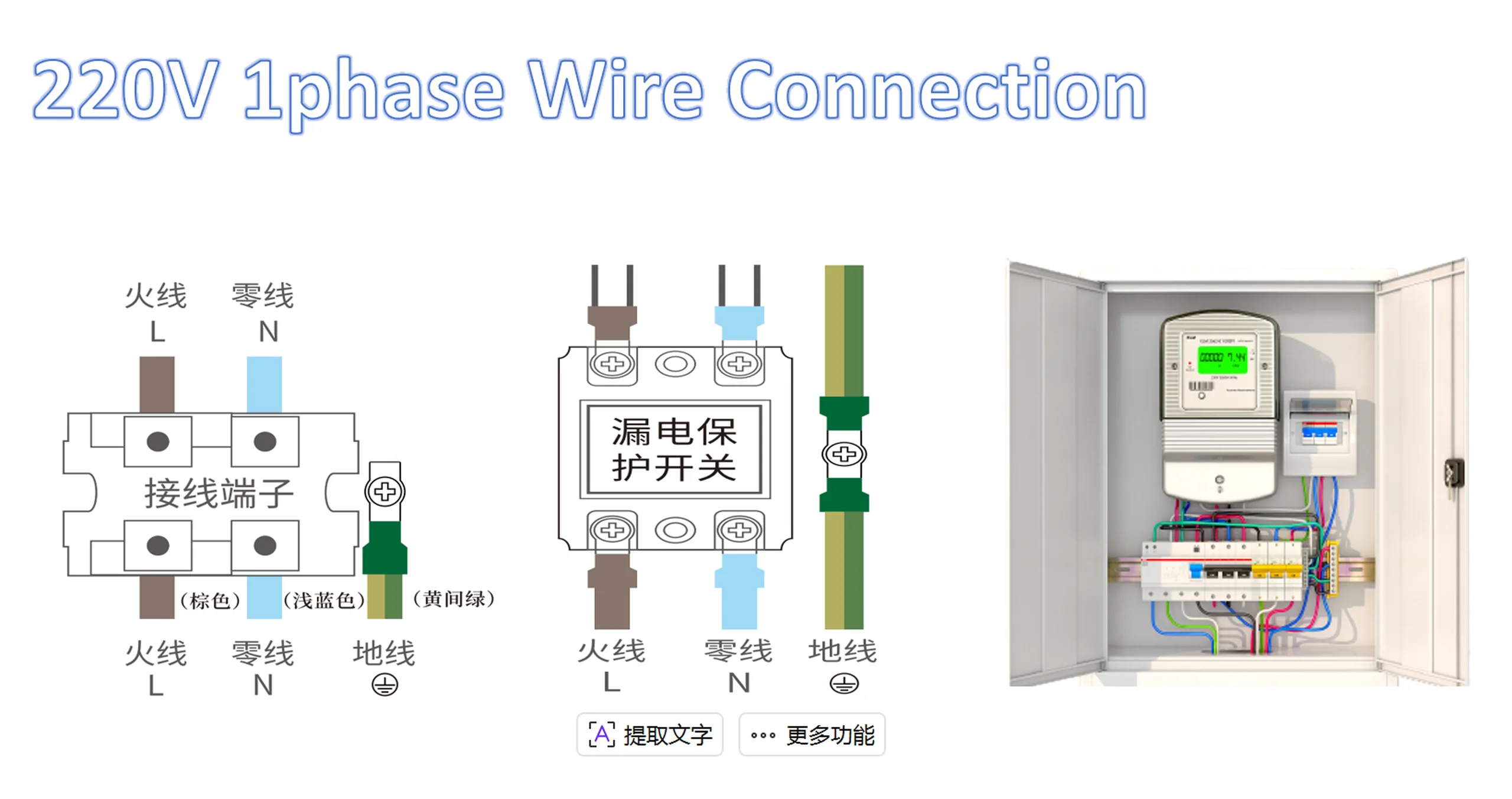
Commercial induction cooktops come in two main voltage ratings: 220V single-phase and 380V three-phase. The electrical requirements are completely different. 220V single-phase is standard residential-grade power. Small food-service locations can usually use it as-is, but capacity is limited. By industry standards, reputable manufacturers cap 220V commercial units at about 9kW, and anything above 3.5kW must be hardwired to a dedicated breaker — not plugged into a regular outlet.
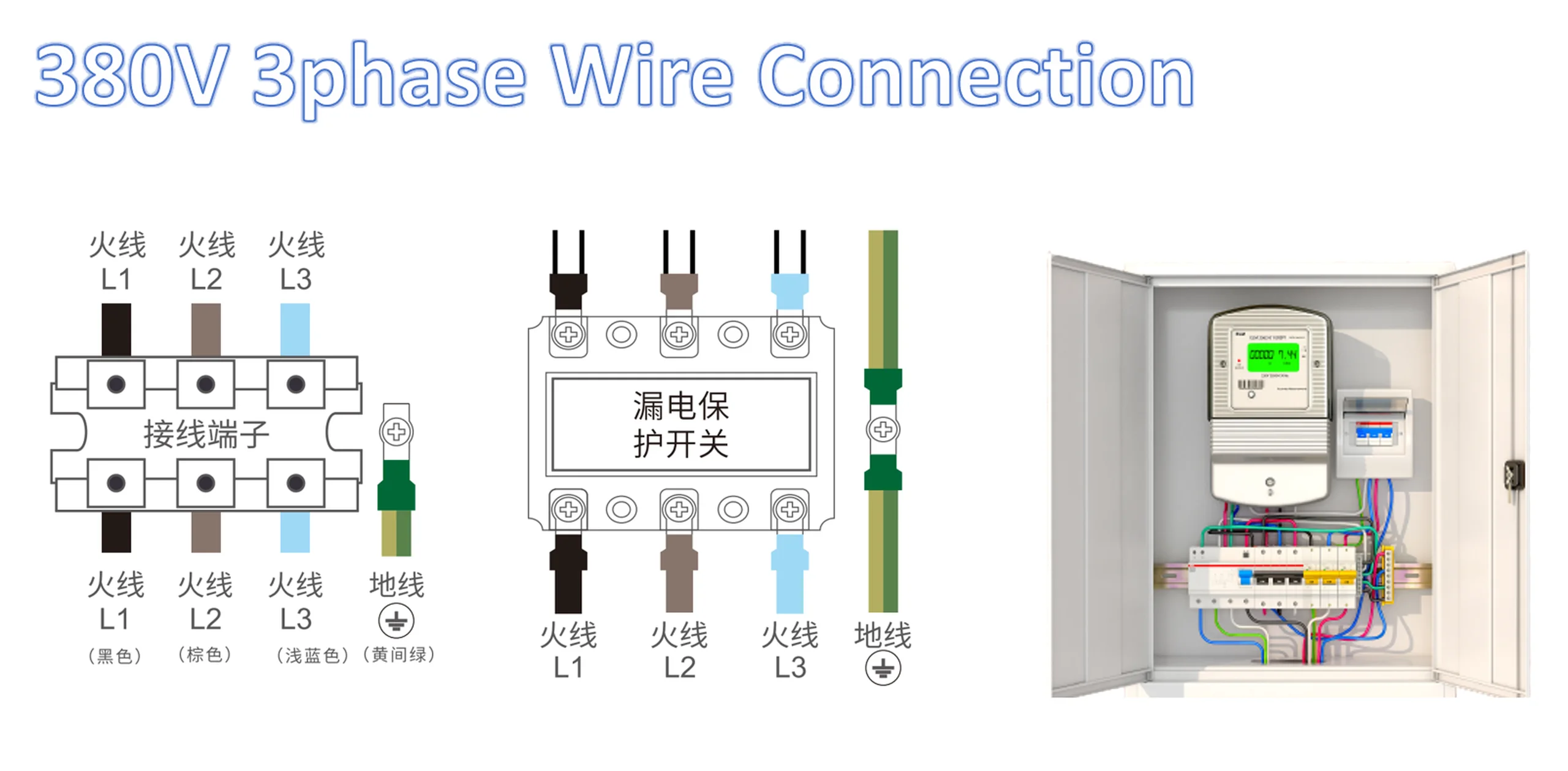
Once you need more — large wok burners or multiple stations running at the same time — 380V three-phase becomes mandatory. It draws less current at the same power output, which means less wire heat and a stable supply for units rated 8kW to 25kW and above. The catch: 380V requires a separate utility application, new wiring, and a three-phase meter. Older buildings or small retail spaces may not support it at all.
So always check your kitchen’s electrical setup before buying. If you pick a 380V cooktop but only have 220V service, the unit will just sit there. And you’ll be looking at an unplanned rewiring bill — potentially over a thousand dollars — on top of the equipment cost.
2. Cooking surface dimensions decide “how well it works”
Surface size — the diameter or area of the heating zone — directly controls what cookware you can use. This matters most in Chinese kitchens, where woks commonly range from 40–80cm across. If the surface is too small, a large wok can’t fully contact the coil. That can cut thermal efficiency by 15%–20% and cause uneven heating that shows up in the food. On the flip side, if the surface is oversized for a small pot, magnetic energy spills outward and gets wasted.
External dimensions affect your counter layout too. A freestanding large-pot induction unit at 1000mm × 1100mm needs far more clearance than a countertop stir-fry unit, and you should leave at least 10cm of breathing room on all sides for heat dissipation.
3. A quick pre-purchase checklist
From ATRX’s experience serving overseas restaurant clients, returns caused by voltage or size mismatches account for roughly 30% of first-time purchase issues. Before you commit to a model, answer four questions: Is your supply 220V or 380V? Can existing wiring handle the target wattage? What’s the base diameter of your main cookware? How much counter width is available for installation? Get those answers nailed down, and you can rule out half the options immediately — then focus on what actually fits.
How Temperature Control Precision & Energy Efficiency Ratings Actually Affect Daily Use
Two cooktops with the same wattage and voltage can feel completely different in daily use. The gap almost always comes down to temperature control precision and energy efficiency. These “soft specs” barely stand out on a data sheet, but they’re what separate a good long-term investment from a frustrating one. Checking commercial induction stove specifications on these two points is well worth the extra few minutes.
Temperature control precision is about how steadily a unit holds its set temperature. High-end commercial induction cooktops stay within ±1°C, delivering smooth, even heat output even at low settings like 500W–1500W. Cheaper models tend to cycle on-off-on-off in pulsed bursts at low power. That difference shows up clearly in temperature-sensitive work — slow-simmering sauces, melting chocolate, cooking sugar syrup. With precise control, the chef can lock in a stable range just below boiling without babysitting the dial. Output stays consistent, and ingredient waste from sudden temperature spikes drops dramatically.
One of our clients, who operates a chain of Japanese restaurants in Sydney, switched from old stepped-dial units to models with real-time temperature sensors. Their rejection rate on low-temperature slow-cooked dishes went from 4–5 per week to nearly zero. Better temperature control translated straight into steadier output and less waste.
Energy efficiency is the big lever on long-term operating costs. China’s mandatory national standard GB 40876-2021 took effect in November 2022, grading commercial induction cooktops across three power brackets (under 8kW, 8–18kW, 18–35kW) on a three-tier system. Grade 1 for sub-8kW units requires thermal efficiency of 89% or higher. Traditional gas burners typically hit only 30%–50%, and standard electric-resistance cooktops land around 60%–65%.
The U.S. Department of Energy backs up the same gap, noting that induction cooking efficiency can reach up to three times that of gas (source: U.S. DOE). The table below puts those differences in concrete terms:
| Comparison | Commercial Induction (Grade 1) | Commercial Induction (Grade 3) | Traditional Gas Burner |
|---|---|---|---|
| Thermal Efficiency | ≥89% | ≥80% | 30%–50% |
| Effective Heat Output for 5kW Unit Running 6h/day | ~26.7 kWh | ~24 kWh | ~12–15 kWh (equivalent) |
| Estimated Annual Energy Cost (at ~$0.14/kWh) | ~$1,530 | ~$1,530 (but more waste) | Gas costs typically higher and more volatile |
| Kitchen Residual Heat | Minimal — the surface itself doesn’t generate heat | Low | Substantial residual heat; increases HVAC load |
Note: Induction energy consumption is estimated at full continuous load; real-world costs are usually lower due to intermittent use. Gas costs are affected by fuel price swings and ventilation energy use, so the true total often exceeds the gas bill alone.
When comparing products, zero in on two things. First, the temperature control method — does it use a real-time sensor with continuous power modulation, or just basic stepped switches? Second, does the labeled energy efficiency grade comply with GB 40876, and what’s the actual thermal efficiency number? Those two data points on the spec sheet tell you whether a cooktop will run lean or waste power, and whether your output will stay consistent or drift — day after day.
Installation & Compatibility Conditions to Confirm Before Ordering
Before ordering a commercial induction burner for restaurant use, confirm two non-negotiable compatibility items: whether your kitchen’s electrical capacity can handle the rated power, and whether your existing cookware is electromagnetically compatible. If the power falls short, you’ll trip breakers or simply can’t install. If the cookware doesn’t work, the unit is useless even after delivery. Both are easy to check during the inquiry stage. Doing it upfront avoids surprise costs for emergency rewiring or a full cookware swap after the equipment shows up.
Is Your Kitchen’s Electrical Capacity Enough? How to Self-Check Before Ordering
1. Confirm the equipment’s rated power and voltage requirements. Pull up the spec sheet or nameplate of your target model and find two numbers: rated power (in kW) and required voltage (typically single-phase 220V or three-phase 380V). Commercial units generally range from 3.5kW to 15kW each — much higher than household gear — and these figures are the starting point for everything else.
2. Cross-check against your panel’s circuit capacity. Open your kitchen’s electrical panel, find the circuit you plan to tap into, and note the amp rating on the breaker. Then run a quick calculation: Power ÷ Voltage = Current. A 5kW single-phase 220V cooktop, for example, draws about 22.7A. If that breaker is only rated for 20A, the circuit can’t handle it safely and needs an upgrade.
3. Add up all high-power equipment for total load. Don’t just look at one unit. Total the rated wattage of every high-draw appliance you plan to run at the same time — induction cooktops, commercial ovens, dishwashers, and so on — then compare against your main breaker’s capacity. Keep total load within 80% of the main circuit rating to leave a safety buffer and avoid peak-hour tripping.
4. When in doubt, get an electrician on-site before you order. If the numbers look tight, or you’re not confident reading the panel, the safest move is to have a licensed electrician assess the circuit before you buy. We’ve seen it go wrong more than once: a client opening a Cantonese restaurant ordered two 8kW countertop induction units, only to discover on delivery that the entire kitchen ran on a single 32A single-phase circuit — nowhere close to enough.
It took nearly two weeks to rewire and expand capacity, pushing back the opening. An electrician can tell you ahead of time whether you need a dedicated circuit, heavier cabling, or a capacity upgrade from building management — so you can budget the time and money before the equipment arrives, not after.
On the regulatory side, the New York State Energy Research and Development Authority (NYSERDA) states in its induction cooktop guide that most units need a dedicated 220–240V circuit with a 40–50A breaker (source: NYSERDA). That benchmark applies to commercial settings too. If your kitchen’s circuit falls below it, plan for electrical work before you order.
Can You Use Your Existing Cookware? Induction Compatibility Explained Once and for All
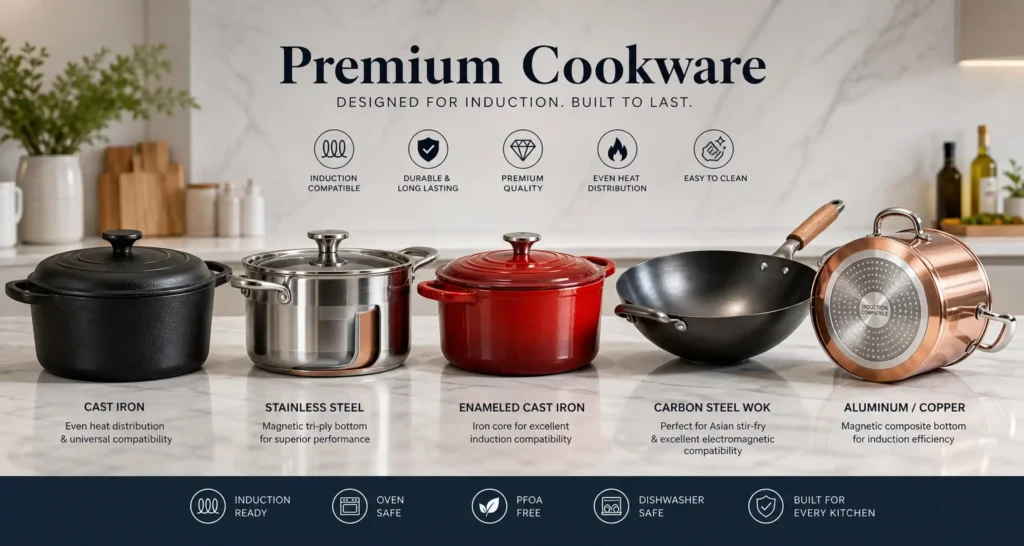
Induction heats differently from gas. A coil generates an alternating magnetic field, and only cookware with a ferromagnetic base responds to it. That means not every pot and pan in your kitchen will carry over. The quickest test: grab a fridge magnet and stick it to the bottom of the cookware. Sticks firmly? It’s compatible. Doesn’t stick, or barely clings? It won’t work.
Base diameter matters too. If the pot bottom is too small for the coil zone, efficiency drops noticeably — or the unit may throw an error code. Too large, and the edges heat unevenly. Before ordering, check the manufacturer’s recommended base diameter range, then measure your cookware to make sure they match. That way you can start cooking the day the unit arrives.
Here’s a quick-reference table for the most common commercial kitchen cookware materials:
| Cookware Material | Induction Compatible? | Notes |
|---|---|---|
| Cast Iron | ✅ Compatible | Excellent ferromagnetic properties; high heating efficiency; ideal for induction |
| Carbon Steel / Seasoned Iron Wok | ✅ Compatible | The most common wok material in Chinese kitchens; works right away |
| Enameled Cast Iron | ✅ Compatible | Cast iron core; enamel coating doesn’t block magnetic induction |
| Stainless Steel (with magnetic base, e.g., 430 SS) | ✅ Compatible | Test the base with a magnet first; pans labeled “induction-ready” are usually fine |
| Pure Aluminum | ❌ Not Compatible | No ferromagnetic properties; won’t heat at all on induction |
| Copper | ❌ Not Compatible | No ferromagnetic properties; can’t be inductively heated |
| Ceramic / Clay Pot | ❌ Not Compatible | Non-metallic; no eddy currents; can’t be heated |
| Stainless Steel with Full-Aluminum Sandwich Base (pure aluminum or 304 SS base layer) | ❌ Not Compatible | Looks like stainless steel but the base isn’t magnetic; easy to misjudge — always magnet-test |
If your back-of-house runs mostly on aluminum cookware — common in Southeast Asian cuisine and some fast-casual setups — factor in a cookware replacement budget alongside the cooktop purchase. Work out that number upfront so you’re not blindsided by extra costs after delivery.
If you’ve already nailed down your wattage, preferred form factor, and electrical conditions, head over to the ATRX commercial induction cooktop product catalog to browse models and configurations by equipment type and find the right match for your kitchen.
Common Questions People Ask
Q1: My restaurant uses a mix of gas and induction — isn’t that cheaper than going all-induction?
In the short run, yes — a hybrid setup cuts your upfront equipment and electrical costs. But over time, you’re maintaining two energy systems at once: annual gas line inspections plus electrical upkeep. Your ventilation design also has to handle both gas exhaust and induction heat dissipation. The combined overhead is often more than people expect.
If your electrical setup can handle it, a full switch to induction usually pays off better in the long run — on energy, safety, and maintenance combined.
Q2: How long does a commercial induction cooktop last? When should I think about replacing it?
With normal use and regular maintenance, the core components — IGBT module and coil disk — typically last 8–10 years. Real lifespan depends a lot on intensity, though. Kitchens running 10+ hours a day should have a technician check the power module and cooling fans every 2–3 years.
If you notice heating getting noticeably slower, error codes popping up more often, or fan noise that’s louder than it used to be — those are your cues to start thinking about a replacement.
“`
About the author
ATRX Team| 18 Years Commercial
Induction Cooker Manufacturer in China
Induction Cooker Manufacturer in China
Related Posts

Commercial Induction Cooker for School Cafeteria: How to Pick the Right High-Power Unit
08/04/2026
Ghost Kitchen Equipment List: Checklist & Buying Guide for Delivery-Only Kitchens
08/02/2026
Gas vs Infrared vs Induction: Commercial Wok Range Comparison for Chinese Restaurants
07/31/2026
What Cookware Works on Induction? Compatibility Guide & Best Materials Explained
07/28/2026
Best Commercial Induction Cooktop for Restaurant: Types, Specs & Buying Guide (2026)
07/26/2026
How to Open a Hot Pot Restaurant in a Mall: Fire Code, Equipment & No Open Flame Solutions
07/24/2026
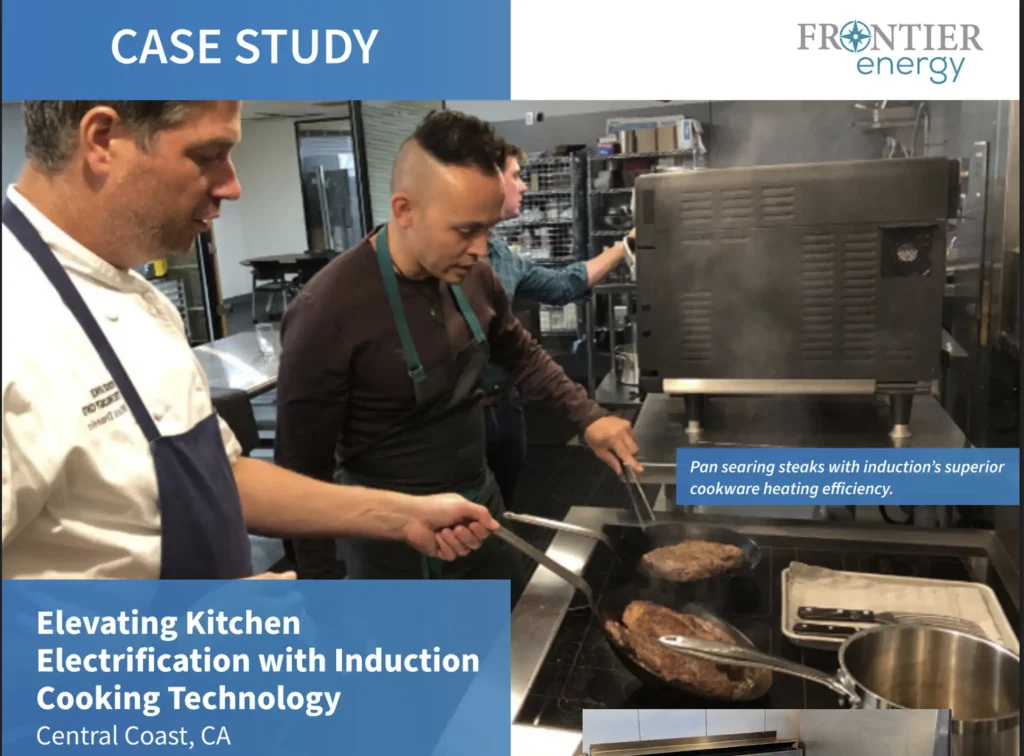
Gas vs Induction Cooktop: Energy Efficiency, Running Costs & Real Performance Compared
07/21/2026
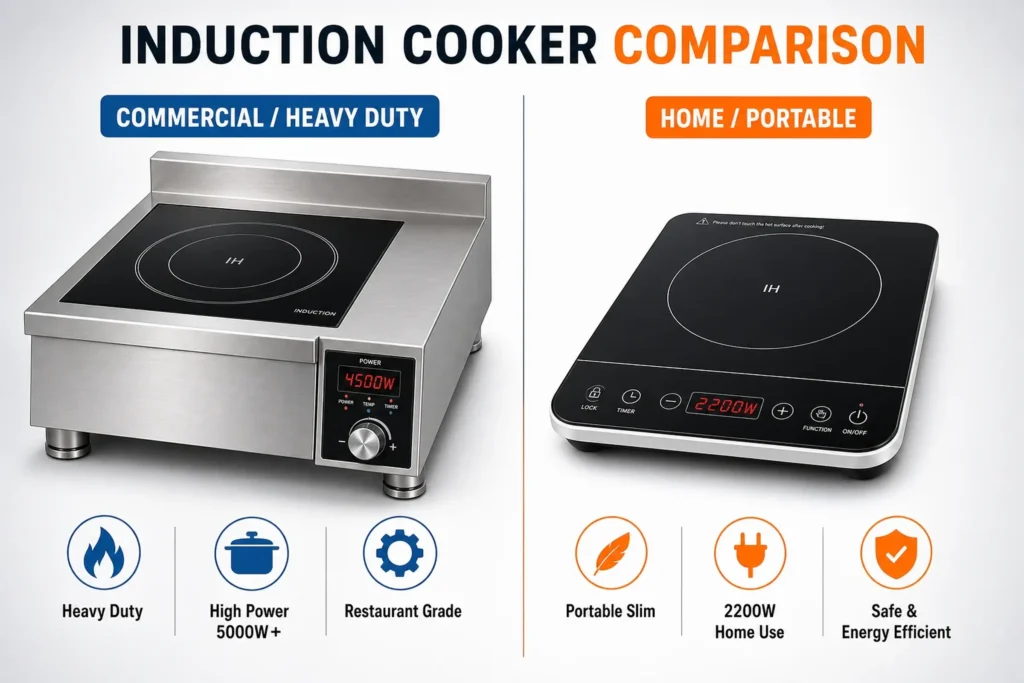
Commercial vs Home Induction Cooktop: What’s the Difference
07/18/2026
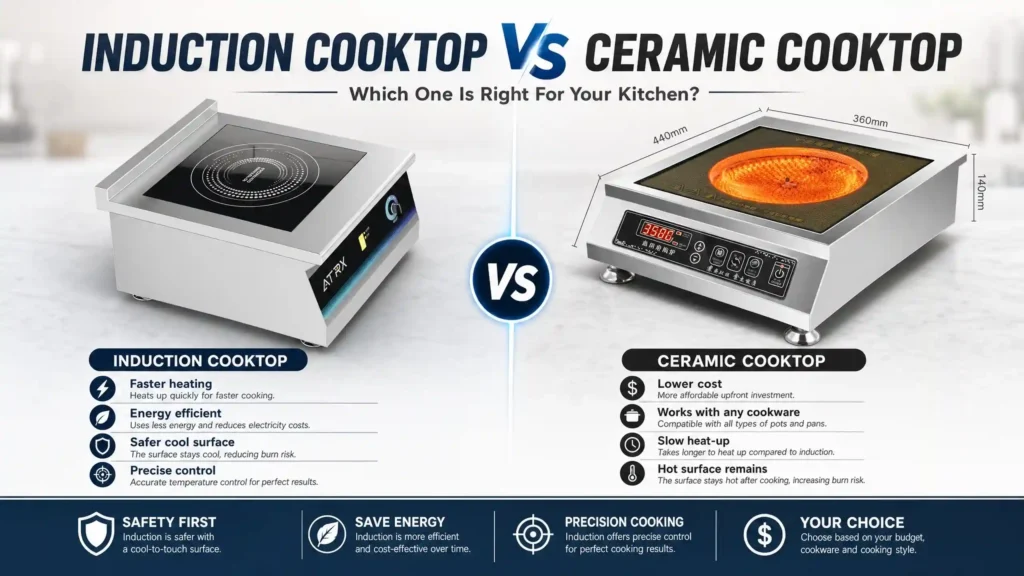
Induction vs Ceramic Cooktop: Key Differences in Heating, Efficiency & Safety
07/15/2026
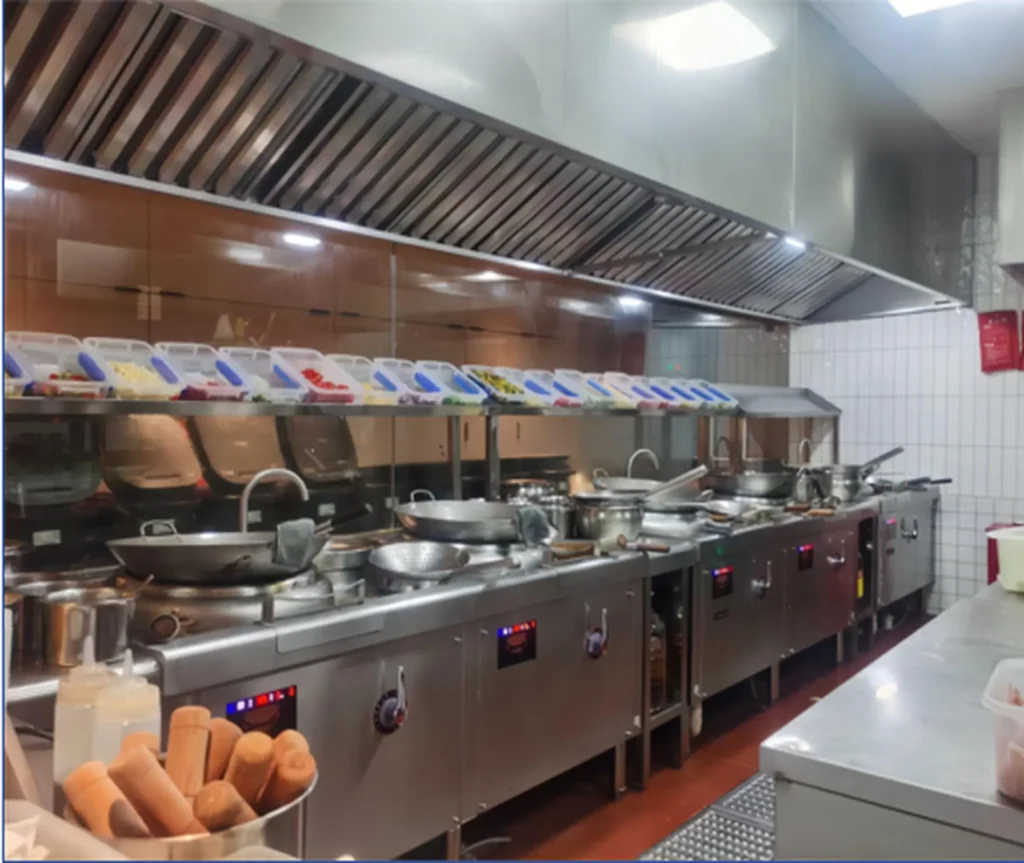
High-End Commercial Induction Cooker: What Makes It Premium and How to Choose the Right One
07/12/2026